Policies and Practices at the School/Classroom Level
From the extensive lr 26 curriculum
TL;DR
School and classroom policies are the rules and guidelines that shape the educational environment, ensuring consistency and fairness for everyone. They cover everything from behavior to academic integrity and directly impact how you experience learning each day. Understanding these policies helps you navigate school effectively and be a responsible member of the community.
1. The Mental Model
Think of policies and practices as the "operating system" of your school and classroom. They're the underlying code that dictates how things run, from big picture rules like attendance to specific classroom routines like how you turn in assignments.
2. The Core Material
Policies and practices are formal and informal guidelines that govern the daily operations, interactions, and educational processes within a school or a specific classroom. They aim to create a predictable, safe, and effective learning environment.
School-Level Policies

Photo by Pixabay on Pexels
These are broad rules set by the school administration, often based on district or state regulations. They apply to all students, staff, and sometimes parents.
- Attendance Policies: Define what counts as an excused or unexcused absence, tardiness, and the consequences for not meeting expectations.
- Behavioral Codes (Code of Conduct): Outline acceptable and unacceptable student behavior, covering issues like bullying, harassment, academic dishonesty, and general respect. It details disciplinary procedures.
- Academic Integrity Policies: Specifically address cheating, plagiarism, and other forms of academic misconduct, along with their penalties.
- Safety and Emergency Procedures: Cover drills (fire, lockdown), visitor policies, and health protocols (e.g., managing allergies, medication).
- Technology Use Policies: Rules for using school computers, Wi-Fi, and personal devices, often including acceptable use guidelines and privacy considerations.
Classroom-Level Practices
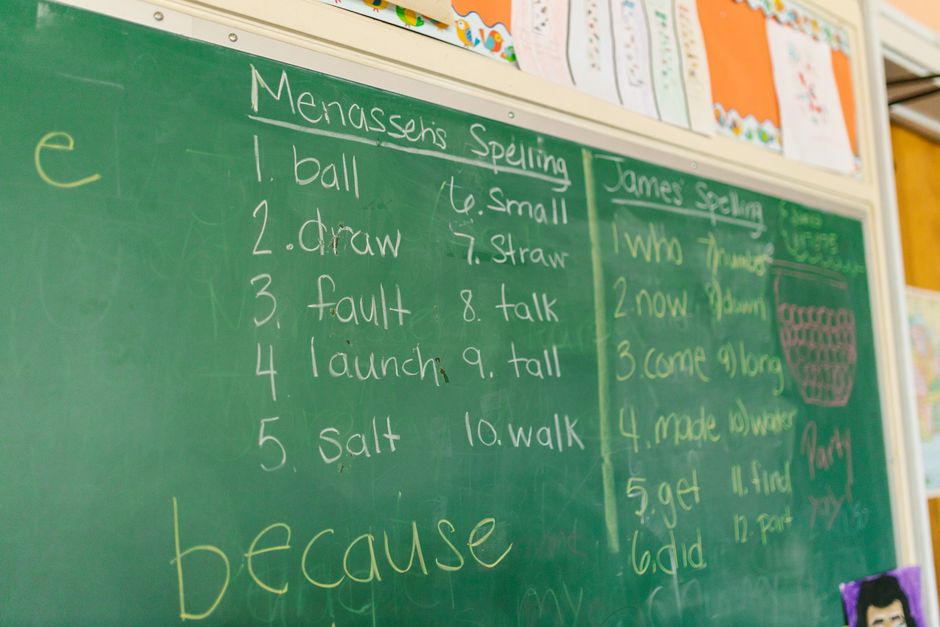
Photo by RDNE Stock project on Pexels
These are more specific routines and expectations set by individual teachers for their own classrooms. They align with school policies but provide more detail for daily learning.
- Assignment Submission Procedures: How and when you hand in work, whether it's digital or physical, and late work policies.
- Participation Guidelines: Expectations for contributing to discussions, group work, and asking questions.
- Classroom Management Strategies: How the teacher handles disruptions, encourages positive behavior, and transitions between activities.
- Grading Policies: How different assignments are weighted, criteria for grading, and opportunities for re-dos or corrections.
- Use of Materials/Resources: Rules for using textbooks, lab equipment, or classroom supplies.
Understanding the relationship between school-level policies and classroom-level practices is key. Classroom practices usually elaborate on school policies. For example, a school's academic integrity policy might be reinforced by a classroom practice where the teacher requires specific citation styles for essays.
Here's a look at how these policies and practices connect:
graph TD
    A["School-Level Policies"] --> B["Attendance Policy"];
    A --> C["Behavioral Code"];
    A --> D["Academic Integrity Policy"];
    A --> E["Safety Procedures"];

    B --> B1["Classroom Practice: Tardy Protocol"];
    C --> C1["Classroom Practice: Respectful Discussion Rules"];
    D --> D1["Classroom Practice: Citation Requirements"];
    E --> E1["Classroom Practice: Emergency Exit Plan"];

    subgraph Impact on Student
        B1 --> F["Consistent Expectations"];
        C1 --> F;
        D1 --> F;
        E1 --> F;
    end
3. Worked Example
Let's say your school has a School-Level Academic Integrity Policy that states: "All submitted work must be original and represent the student's own effort. Plagiarism, defined as presenting someone else's words or ideas as your own without proper attribution, is strictly prohibited and will result in disciplinary action."
In your English Literature class, your teacher implements a Classroom-Level Practice to support this: "For all essays and research papers, you must use MLA (Modern Language Association) citation format. Failure to properly cite sources for direct quotes, paraphrases, or ideas that are not your own will result in a zero for the assignment and a referral to the school administration."
In this example, the classroom practice directly clarifies and enforces the broader school policy by providing a specific method (MLA citation) and a clear consequence for plagiarism within that specific course context. If you copy a paragraph from Wikipedia without citing it, you'd violate both the classroom practice and the school policy.
4. Key Takeaways
- Policies are formal rules from the school; practices are specific routines from the teacher.
- Both aim to create a predictable, safe, and effective learning environment.
- School policies cover broad areas like attendance, behavior, and academic honesty for everyone.
- Classroom practices detail how these broad policies apply in a specific class, e.g., assignment submission or participation.
- Understanding these guidelines helps you succeed and avoid unnecessary issues.
- You're expected to know and follow both school-wide policies and your individual classroom practices.
Common mistakes to avoid:
- Assuming classroom rules are optional: They are extensions of school policy and are enforced.
- Ignoring the syllabus: Your syllabus often outlines key classroom practices and policies.
- Not asking for clarification: If you're unsure about a rule, ask your teacher or school staff.
- Believing policies only apply to "other students": They apply to everyone equally.
5. Now Try It
Review the syllabus for one of your current classes and then find your school's official student handbook or website. Identify at least two school-level policies (e.g., attendance, academic integrity) and then list how your chosen class's syllabus translates or supports those policies with specific classroom practices.
Success looks like: You can clearly connect a broad school policy to a specific rule or expectation within your classroom, understanding how they work together.
Frequently asked about Policies and Practices at the School/Classroom Level
Study this next
Get the full extensive lr 26 curriculum
Clone the complete plan to your dashboard for unlimited AI-generated notes, practice quizzes, and a personalised revision schedule.
Save this course free