Introduction to Poverty, Stress, and Educational Inequality
From the extensive lr 26 curriculum
TL;DR
Poverty creates chronic stress, impacting brain development and cognitive function, which significantly contributes to educational disparities. These stressors make learning harder for kids in poverty, leading to lower academic achievement and widening the education gap. Understanding these links is crucial for effective interventions.
1. The Mental Model
Think of poverty, stress, and education as a negative feedback loop. Poverty leads to constant stress, which then interferes with a child's ability to learn effectively, ultimately making it harder to escape poverty. Breaking this cycle requires addressing the multiple ways stress impacts development and learning.
2. The Core Material
Poverty isn't just about a lack of money; it's a profound experience that impacts every aspect of a child's life, especially their brain and ability to learn. The persistent challenges associated with poverty create chronic stress, often referred to as toxic stress. This isn't the kind of stress that helps you focus for a test; it's long-term and overwhelming.
The Impact of Toxic Stress on the Brain

Photo by DS stories on Pexels
When children experience toxic stress, their bodies release stress hormones like cortisol continuously. High levels of these hormones can:
* Damage developing brain structures: Specifically, areas like the hippocampus (memory and learning) and prefrontal cortex (executive functions like planning, decision-making, and emotional regulation) can be negatively affected.
* Impair cognitive functions: This can lead to difficulties with memory, attention, problem-solving, and self-control.
* Affect emotional regulation: Children might struggle more with managing their emotions, leading to behavioral challenges in school.
Stress and the Learning Environment

Photo by Yan Krukau on Pexels
Beyond the direct biological effects, stress from poverty also shapes a child's learning environment:
* Home environment: Lack of resources, unstable housing, food insecurity, and parental stress can reduce opportunities for learning at home, such as access to books, quiet study spaces, or consistent parental involvement in schoolwork.
* School environment: Children experiencing chronic stress may struggle to engage in class, exhibit behavioral issues, or have difficulty forming positive relationships with teachers and peers, all of which hinder learning.
* Resource disparities: Schools in low-income areas often have fewer resources, less experienced teachers, and larger class sizes, further disadvantaging students.
Educational Inequality as an Outcome
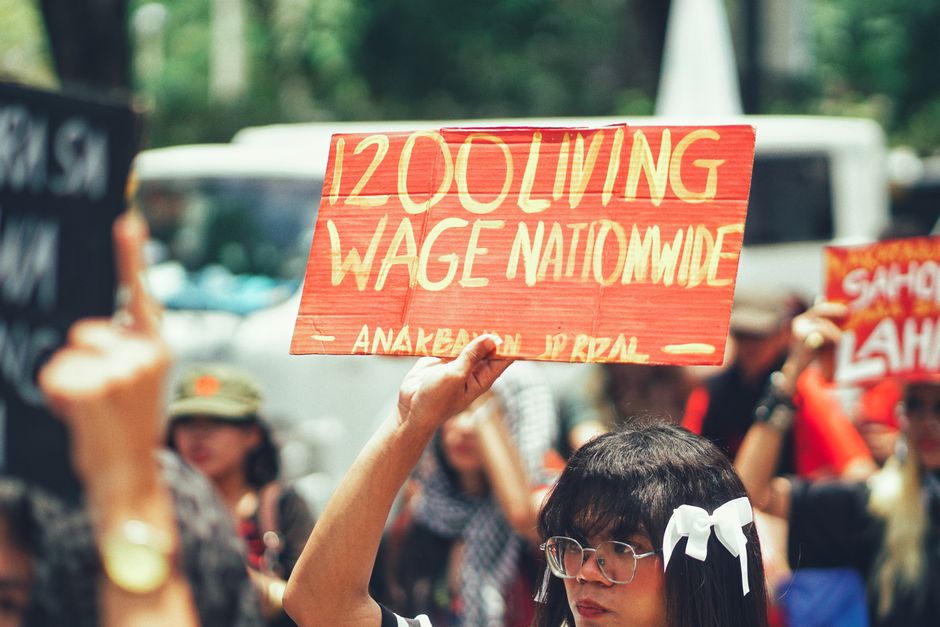
Photo by Mico Medel on Pexels
The culmination of these factors is educational inequality. Children from low-income backgrounds are more likely to:
* Underperform on standardized tests.
* Have lower graduation rates.
* Have less access to higher education.
* Experience a wider achievement gap compared to their wealthier peers.
This inequality perpetuates the cycle of poverty, as education is a primary pathway to economic mobility.
graph TD
    A["Poverty (lack of resources, instability)"] --> B["Chronic Stress / Toxic Stress"]
    B --> C1["Altered Brain Development (e.g., prefrontal cortex, hippocampus)"]
    B --> C2["Impaired Cognitive Functions (memory, attention, focus)"]
    B --> C3["Difficulties with Emotional Regulation & Behavior"]
    C1 --> D["Reduced Capacity for Learning"]
    C2 --> D
    C3 --> D
    D --> E["Lower Academic Achievement"]
    E --> F["Educational Inequality"]
    F --> G["Limited Economic Opportunity in Adulthood"]
    G --> A
3. Worked Example
Consider a 7-year-old child, Maya, living in a single-parent household where the parent works two minimum-wage jobs. Maya's family frequently moves due to eviction notices, and food security is often a concern. At school, Maya frequently struggles to pay attention during lessons, often seems tired, and sometimes acts out when asked to participate. She has trouble remembering basic math facts that her classmates grasp quickly. Her teacher notices her potential but is challenged by her inconsistent engagement.
This isn't just "bad behavior" or lack of intelligence. Maya's brain is likely operating under constant threat, diverting resources away from learning and towards survival. The chronic stress of her unstable home life impairs her working memory and focus (C2), makes it harder to control impulses (C3), and physically impacts her brain's learning centers (C1). This leads to her lower academic performance (E) despite her efforts and the teacher's. Without intervention, this cycle will worsen, contributing to educational inequality.
4. Key Takeaways
- Chronic poverty-related stress, known as toxic stress, negatively alters a child's brain development and cognitive functions.
- This stress impairs memory, attention, and emotional regulation, making it harder for children to learn effectively in school.
- Poverty also creates unstable home and school environments that further hinder academic success and exacerbate learning difficulties.
- Educational inequality is a direct outcome of these combined stressors, widening the achievement gap between wealthy and poor students.
- Breaking the cycle requires interventions that address both the material conditions of poverty and the psychological impacts of stress on development.
- Understanding the biological and environmental impacts is crucial for creating effective educational support systems.
- Early childhood interventions are especially critical as brain development is most rapid during these years.
Common mistakes you should avoid:
- Don't assume children in poverty lack intelligence; they face significant systemic barriers to demonstrating it.
- Don't blame individual parents for their children's struggles without acknowledging the immense pressures of poverty.
- Don't focus solely on academic interventions without considering the underlying stress and environmental factors.
- Don't overlook the long-term, cumulative effects of stress; it's not a one-time event.
5. Now Try It
Spend 15 minutes thinking about a specific educational intervention (e.g., after-school programs, free school meals, trauma-informed teaching). How would this intervention directly or indirectly mitigate the effects of toxic stress on a child's ability to learn? What specific cognitive or emotional benefits might it offer, and how could those benefits improve academic outcomes? What would success look like for this specific intervention?
Frequently asked about Introduction to Poverty, Stress, and Educational Inequality
Study this next
Get the full extensive lr 26 curriculum
Clone the complete plan to your dashboard for unlimited AI-generated notes, practice quizzes, and a personalised revision schedule.
Save this course free