Social Development Issues
From the DEVELOPMENT STUDIES curriculum
TL;DR
Social development issues are complex challenges that hinder progress in human well-being, often stemming from systemic inequalities and power imbalances. Addressing them requires a holistic approach that considers economic, political, and cultural factors alongside social ones. Understanding these issues helps you identify root causes and design more effective interventions for sustainable change.
1. The Mental Model
Think of social development issues as the "bugs" in the system of human progress. They aren't random; they're often deeply embedded problems that prevent people from living full, healthy, and dignified lives, impacting societies at large.
2. The Core Material
Social development focuses on improving the well-being of every individual in society, ensuring everyone has opportunities to thrive. Social development issues are the barriers to achieving this, often intertwined and self-reinforcing. They're not just about poverty, but also about the underlying structures that create and perpetuate poverty, inequality, and injustice.
Key Dimensions of Social Development Issues
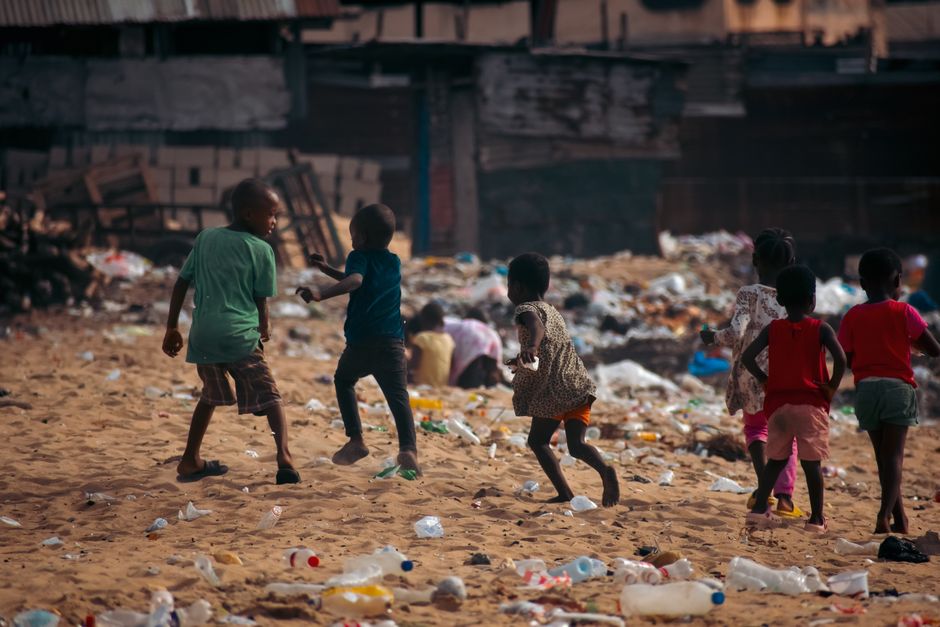
Photo by B. Aristotlè Guweh Jr on Pexels
You can generally categorize social development issues across several key dimensions:
- Poverty and Inequality: Beyond just lack of income, this includes unequal access to resources, opportunities, and services (education, healthcare, justice). It’s about the distribution of wealth and power.
- Health and Well-being: Issues like inadequate healthcare access, high mortality rates, malnutrition, and the prevalence of preventable diseases, especially among vulnerable groups.
- Education and Human Capital: Limited access to quality education, low literacy rates, and lack of skills development can trap individuals and communities in cycles of poverty.
- Social Exclusion and Discrimination: This involves marginalization based on gender, ethnicity, religion, disability, or other characteristics, leading to denial of rights and opportunities.
- Conflict and Insecurity: Violence, civil unrest, and instability severely disrupt social fabric, displace populations, and reverse development gains.
- Governance and Rights: Weak institutions, corruption, lack of rule of law, and denial of human rights directly impede social progress and civic participation.
Interconnectedness of Issues

Photo by Ruly Nurul Ihsan on Pexels
It's crucial to understand that these issues rarely exist in isolation. For example, lack of education can lead to unemployment, which exacerbates poverty, which in turn leads to poor health outcomes and social exclusion. This interconnectedness means that solutions must also be multi-faceted.
graph TD
    A["Lack of Quality Education"] --> B["Limited Employment Opportunities"]
    B --> C["Poverty & Income Inequality"]
    C --> D["Poor Health Outcomes"]
    C --> E["Food Insecurity"]
    C --> F["Lack of Access to Basic Services"]
    F --> D
    D --> G["Reduced Productivity"]
    E --> D
    G --> B
    F --> A
    D --> G
    H["Social Exclusion/Discrimination"] --> A
    H --> B
    H --> C
    I["Weak Governance/Corruption"] --> F
    I --> H
    J["Conflict/Instability"] --> C
    J --> F
    J --> H
Addressing Social Development Issues
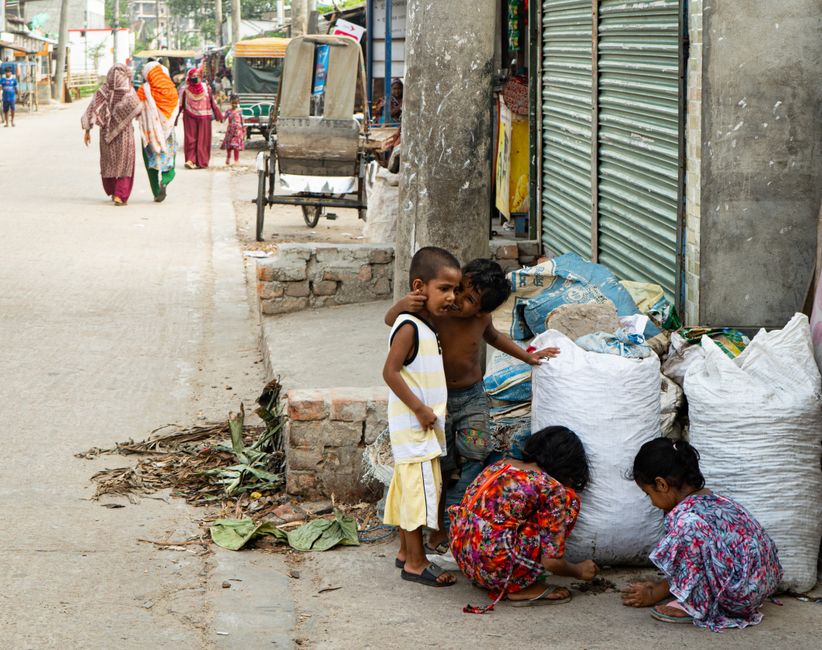
Photo by Bornil Sarker on Pexels
Addressing these issues requires a shift from purely economic growth models to a more human-centered approach. This involves:
- Policy Reforms: Designing and implementing policies that promote equity, protect rights, and provide social safety nets.
- Community Participation: Empowering communities to identify their own needs and participate in designing solutions.
- Investment in Human Capital: Prioritizing education, healthcare, and skills training.
- Strengthening Governance: Building transparent, accountable, and inclusive institutions.
- Promoting Social Justice: Actively working to dismantle discriminatory practices and ensure equal opportunities for all.
3. Worked Example
Imagine a remote rural community in a low-income country.
The Issue: The community faces high rates of child mortality and chronic malnutrition.
Initial (and Incomplete) Analysis: You might first think it's purely a health issue – maybe they need more doctors or medicine.
Social Development Analysis:
1. Poverty: Most families are subsistence farmers, income is low and unreliable. They can't afford nutritious food or transport to a distant clinic.
2. Education: Low literacy rates, especially among women, mean less awareness about hygiene and nutrition. Children often don't attend school regularly, as they help with farming or chores.
3. Infrastructure: No clean water source nearby, leading to waterborne diseases. The nearest health clinic is a day's walk away and often lacks supplies.
4. Governance: Local government might be underfunded or lack the capacity to provide basic services. Community voice in decision-making is minimal.
5. Social Norms: Traditional beliefs might sometimes lead to practices that are detrimental to child health (e.g., delaying medical care in favor of traditional remedies).
Integrated Approach: Instead of just sending doctors, a social development approach would look at:
* Supporting sustainable farming techniques to improve food security and income.
* Installing a communal clean water well.
* Running health and nutrition education programs, specifically targeting mothers.
* Advocating for better road access or a local health post.
* Working with local leaders to encourage school attendance and challenge harmful norms.
This comprehensive approach recognizes the multiple, interconnected factors contributing to child mortality and malnutrition.
4. Key Takeaways
- Social development issues are systemic problems hindering human well-being, not just individual misfortunes.
- They are deeply interconnected, meaning solutions must address multiple dimensions simultaneously.
- Poverty and inequality are often central to many other social development challenges.
- An effective approach moves beyond quick fixes to address the root causes and underlying structures.
- Empowering communities and strengthening governance are crucial for sustainable social development.
- Understanding these issues requires looking at economic, political, and cultural factors alongside social ones.
- Discrimination and social exclusion actively prevent specific groups from accessing opportunities and rights.
Common Mistakes to Avoid:
- Siloed Thinking: Don't view issues like "health" or "education" in isolation; always consider their links.
- Ignoring Root Causes: Don't just treat symptoms (e.g., providing food aid) without addressing why the problem exists (e.g., lack of sustainable livelihoods).
- "Top-Down" Solutions: Avoid imposing solutions without involving the affected communities in their design.
- Overlooking Power Dynamics: Don't forget that social development issues often arise from unequal distribution of power and resources.
5. Now Try It
Choose a specific social development issue (e.g., gender-based violence, youth unemployment in urban areas, or lack of access to clean water in a specific region). Spend 15 minutes mapping out at least three other social development issues that are directly linked to it, explaining how they are connected. What would be one non-obvious intervention that addresses multiple linked issues at once?
Success looks like you identifying clear cause-and-effect relationships or reinforcing cycles between your chosen issue and at least three other related issues, and proposing an intervention that considers this interconnectedness.
Frequently asked about Social Development Issues
More from DEVELOPMENT STUDIES
Get the full DEVELOPMENT STUDIES curriculum
Clone the complete plan to your dashboard for unlimited AI-generated notes, practice quizzes, and a personalised revision schedule.
Save this course free