Monohybrid Inheritance Principles
From the Inheritance curriculum
TL;DR
Monohybrid inheritance looks at how a single trait, determined by one gene, is passed from parents to offspring. It involves dominant and recessive alleles, predicting offspring ratios using Punnett squares. Understanding these basic rules is key to grasping more complex genetics.
1. The Mental Model
Imagine a single coin toss, but for a characteristic like flower color. Each parent contributes one side of the coin, and the combination determines the offspring's trait. This simple idea helps predict how a characteristic is passed down.
2. The Core Material
Monohybrid inheritance specifically deals with the inheritance of a single gene that has two alleles. An allele is a specific version of a gene (e.g., the gene for flower color might have an allele for red flowers and an allele for white flowers).
Dominant and Recessive Alleles
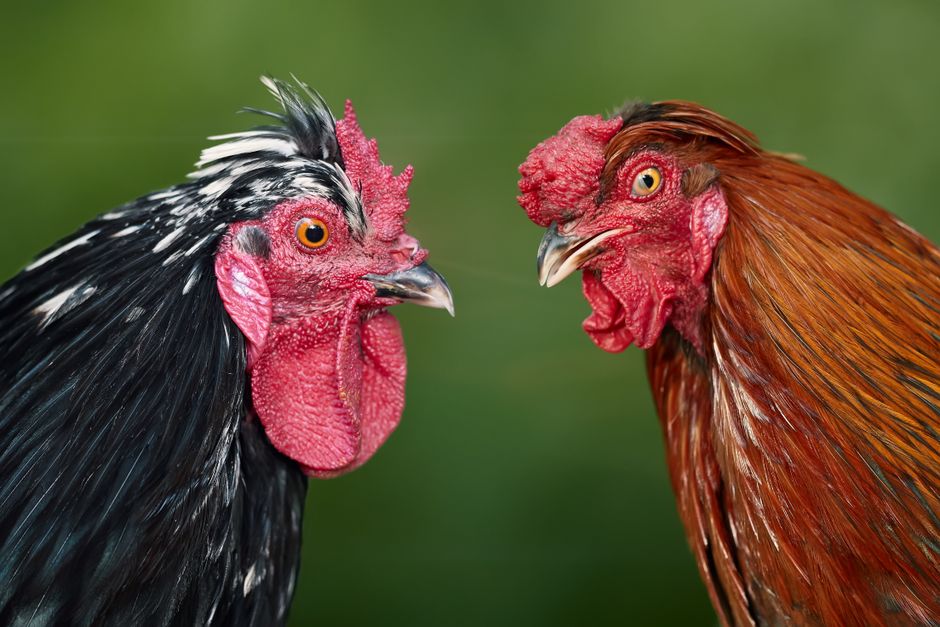
Photo by Erwin Bosman on Pexels
- Dominant alleles are expressed even if only one copy is present. We typically represent them with an uppercase letter (e.g., A).
- Recessive alleles are only expressed if two copies are present. They are "masked" by a dominant allele. We represent them with a lowercase letter (e.g., a).
Genotype and Phenotype
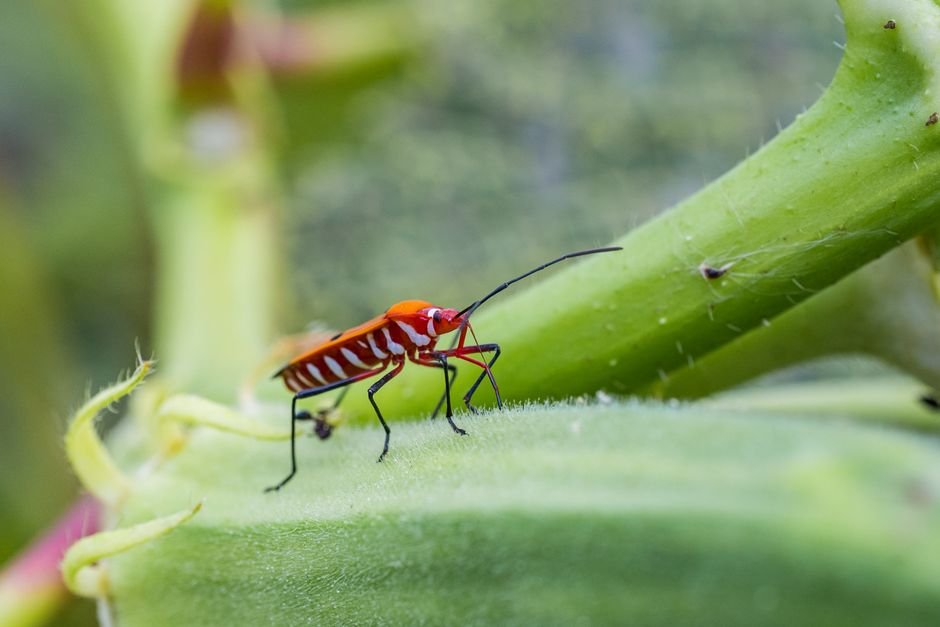
Photo by Pragyan Bezbaruah on Pexels
- Genotype refers to the actual genetic makeup (the combination of alleles) for a trait. Examples: AA, Aa, aa.
- Phenotype refers to the observable physical characteristic that results from the genotype. Examples: red flowers, white flowers.
Homozygous and Heterozygous
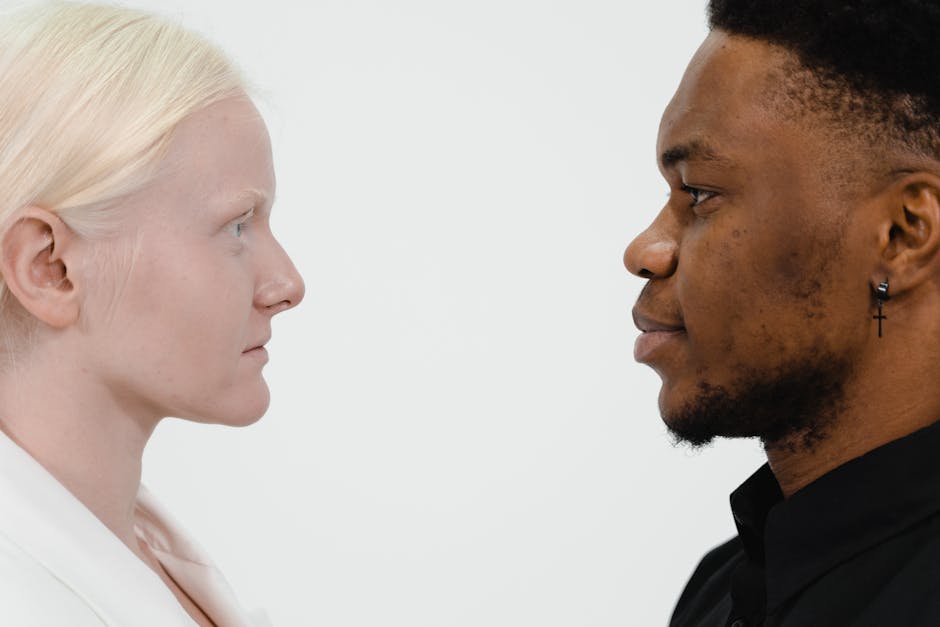
Photo by Tima Miroshnichenko on Pexels
- Homozygous means having two identical alleles for a gene (e.g., AA is homozygous dominant, aa is homozygous recessive).
- Heterozygous means having two different alleles for a gene (e.g., Aa).
Punnett Squares

Photo by Maxim Landolfi on Pexels
A Punnett square is a simple diagram used to predict the possible genotypes and phenotypes of offspring from a genetic cross.
graph TD
    Parent1["Parent 1 Genotype (e.g., Aa)"] --> Gametes1[("Gametes (A, a)")]
    Parent2["Parent 2 Genotype (e.g., Aa)"] --> Gametes2[("Gametes (A, a)")]

    subgraph Punnett Square
        direction LR
        Gametes1_Top[("A")] --- Gametes1_Top_b[("a")]
        Gametes2_Left[("A")] --- Offspring1[("AA")]
        Gametes2_Left --- Offspring2[("Aa")]
        Gametes2_Left_b[("a")] --- Offspring3[("Aa")]
        Gametes2_Left_b --- Offspring4[("aa")]
    end

    PunnettSquare --> OffspringRatio["Genotypic & Phenotypic Ratios"]
Monohybrid Cross Ratios
When you cross two heterozygous individuals (e.g., Aa x Aa), you consistently get these ratios:
* Genotypic Ratio: 1 AA : 2 Aa : 1 aa
* Phenotypic Ratio: 3 dominant phenotype : 1 recessive phenotype
3. Worked Example
Let's consider pea plants where the allele for tallness (T) is dominant over the allele for shortness (t). We cross a homozygous tall plant with a homozygous short plant.
-
Parental Genotypes:
- Homozygous Tall: TT
- Homozygous Short: tt
-
Gametes Produced:
- TT produces only T gametes.
- tt produces only t gametes.
-
Punnett Square (F1 Generation):
T T ------------- t | Tt | Tt | ------------- t | Tt | Tt | ------------- -
F1 Generation Results:
- Genotype: All Tt (heterozygous tall)
- Phenotype: All tall plants
Now, let's cross two F1 generation plants (Tt x Tt).
-
Parental Genotypes:
- F1 Tall: Tt
- F1 Tall: Tt
-
Gametes Produced:
- Tt produces T and t gametes.
- Tt produces T and t gametes.
-
Punnett Square (F2 Generation):
T t ------------- T | TT | Tt | ------------- t | Tt | tt | ------------- -
F2 Generation Results:
- Genotypic Ratio: 1 TT : 2 Tt : 1 tt
- Phenotypic Ratio: 3 Tall : 1 Short
4. Key Takeaways
- Alleles are different versions of a gene.
- Dominant alleles mask recessive ones; recessive alleles are only seen when two copies are present.
- Genotype is the genetic makeup; phenotype is the observable trait.
- Homozygous means two identical alleles; heterozygous means two different alleles.
- Punnett squares predict offspring genetic combinations and ratios.
- A cross between two heterozygotes (Aa x Aa) yields a 3:1 phenotypic ratio and a 1:2:1 genotypic ratio for the offspring.
Common Mistakes to Avoid:
- Confusing genotype with phenotype.
- Forgetting that a dominant allele hides a recessive one in a heterozygous individual.
- Mixing up the parental gametes when setting up the Punnett square.
- Incorrectly calculating the ratios from the Punnett square.
5. Now Try It
Imagine a cross between two guinea pigs. Black fur (B) is dominant over white fur (b).
If you cross a heterozygous black guinea pig with a white guinea pig:
1. What are the genotypes of the parents?
2. Draw a Punnett square for this cross.
3. What are the predicted genotypic and phenotypic ratios of the offspring?
Success looks like correctly identifying the parental genotypes, accurately filling in the Punnett square, and providing the correct genotypic and phenotypic ratios.
Frequently asked about Monohybrid Inheritance Principles
Study this next
Get the full Inheritance curriculum
Clone the complete plan to your dashboard for unlimited AI-generated notes, practice quizzes, and a personalised revision schedule.
Save this course free