Introduction to the World Wars Era
From the History curriculum
TL;DR
The World Wars era (roughly 1914-1945) was a period of immense global conflict, technological change, and political upheaval. World War I (WWI) shattered old empires and set the stage for new ideologies like fascism, while World War II (WWII) redefined international relations and led to the Cold War. Understanding these wars is key to grasping the modern world's political landscape.
1. The Mental Model
Imagine a chain reaction: WWI created problems that weren't truly solved, leading directly to WWII. Both wars involved massive alliances, new devastating technologies, and reshaped maps, leaving lasting impacts on global power and society.
2. The Core Material
The World Wars era is a crucial period, marked by two massive global conflicts that fundamentally reshaped the world. We're talking about World War I (1914-1918) and World War II (1939-1945). It's important to see them not just as separate events, but as connected chapters in a larger story of global transformation.
World War I (The "Great War")
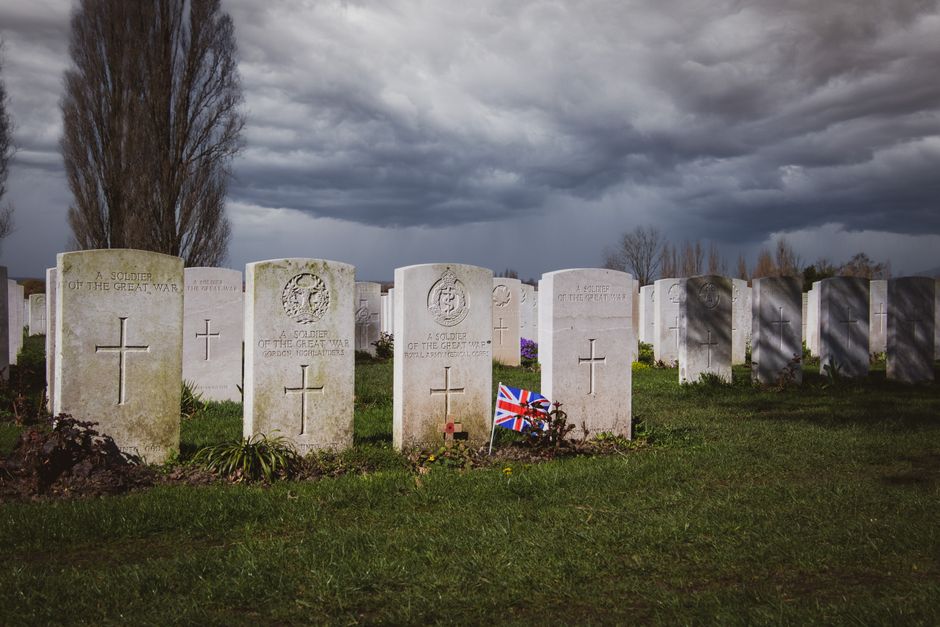
Photo by Fred dendoktoor on Pexels
WWI was unprecedented in its scale and destruction. It involved the major powers of Europe and their global empires.
- Causes: A complex web of factors contributed:
- Militarism: Countries were building up their armies and navies.
- Alliances: Europe was divided into two main blocs (Triple Entente vs. Triple Alliance), meaning a conflict involving two nations could quickly pull in many others.
- Imperialism: Competition for colonies and resources fueled tensions.
- Nationalism: Intense patriotism and desires for self-determination, especially in the Balkans, created instability.
- Assassination of Archduke Franz Ferdinand: The spark that ignited the powder keg.
- Key Features: Trench warfare, new technologies (machine guns, tanks, poison gas, submarines, airplanes), total war (mobilizing entire societies), and massive casualties.
- Outcome: Allied victory. The collapse of major empires (Austro-Hungarian, Ottoman, Russian, German), the Treaty of Versailles (which many argue was too harsh on Germany), and the creation of the League of Nations.
The Interwar Period

Photo by Suzy Hazelwood on Pexels
This era (1918-1939) wasn't peaceful. It was a time of economic depression (The Great Depression), political instability, and the rise of new, aggressive ideologies.
- Economic Chaos: WWI devastated economies, leading to hyperinflation in some countries (like Germany) and eventually the global economic downturn of the 1930s.
- Rise of Totalitarianism:
- Fascism: In Italy (Mussolini) and later Germany (Hitler/Nazism). Emphasized extreme nationalism, militarism, and a powerful, authoritarian state.
- Communism: In the Soviet Union (Stalin) after the Russian Revolution, establishing a one-party state.
- Appeasement: Britain and France tried to avoid another war by making concessions to aggressive powers like Nazi Germany, hoping to satisfy their demands. This ultimately failed.
World War II
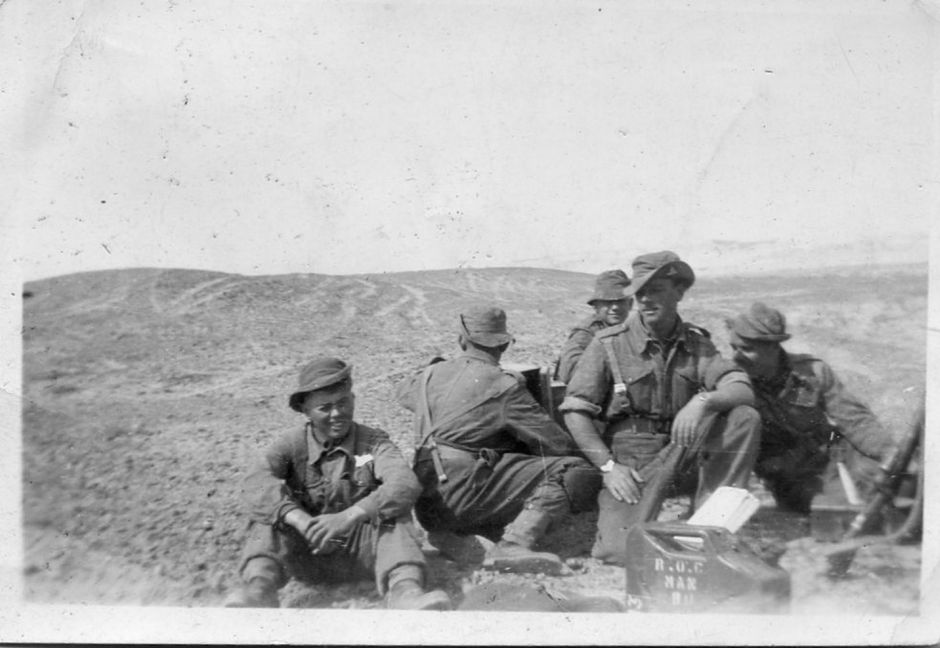
Photo by Mark on Pexels
WWII was even more destructive and widespread than WWI, involving virtually every continent.
- Causes: Direct consequences of WWI and the interwar period:
- Failure of the Treaty of Versailles: Germany felt humiliated and economically crippled, leading to resentment.
- Rise of Nazism and Fascism: Hitler's aggressive expansionist policies (lebensraum - "living space") and desire to revise the WWI settlement.
- Japanese Militarism: Japan's expansion into Asia for resources.
- Appeasement: Allowed aggressors to grow stronger.
- Invasion of Poland: Germany's invasion in September 1939 is generally considered the start.
- Key Features: Blitzkrieg (lightning war), aerial bombing, atomic bombs, the Holocaust (systematic genocide of Jews and other minorities by Nazi Germany), global reach, and immense civilian casualties.
- Outcome: Allied victory. The defeat of Nazi Germany, Fascist Italy, and Imperial Japan. The creation of the United Nations, the start of the Cold War (US vs. Soviet Union), and the decline of European colonial empires.
Here's a simplified chain of events linking the two wars:
graph TD
    A["Militarism, Alliances, Imperialism, Nationalism"] --> B["Assassination of Archduke Franz Ferdinand"]
    B --> C["World War I (1914-1918)"]
    C --> D["Treaty of Versailles & Economic Devastation"]
    D --> E["Rise of Fascism/Nazism & Japanese Militarism"]
    E --> F["Appeasement Policies & Aggressive Expansion"]
    F --> G["Invasion of Poland (1939)"]
    G --> H["World War II (1939-1945)"]
    H --> I["Cold War, Decolonization, United Nations"]
3. Worked Example
Let's look at a specific quote often used to describe the connection between the wars. French Marshal Ferdinand Foch, commenting on the Treaty of Versailles in 1919, famously said, "This is not a peace. It is an armistice for twenty years."
What did he mean? The Treaty of Versailles imposed harsh reparations on Germany, limited its military, and forced it to accept sole blame for WWI. Foch foresaw that these terms wouldn't create lasting peace but rather resentment and a desire for revenge, which would simmer and eventually lead to another conflict. His "twenty years" prediction was chillingly accurate, as WWII began almost exactly twenty years later in 1939. This quote perfectly illustrates how many viewed WWI's ending as merely a pause, not a resolution.
4. Key Takeaways
- WWI was sparked by a complex interplay of militarism, alliances, imperialism, and nationalism.
- New technologies and "total war" made WWI incredibly destructive, leading to widespread trauma and economic chaos.
- The Treaty of Versailles' harsh terms contributed significantly to German resentment and instability.
- The interwar period saw the rise of aggressive totalitarian regimes (Fascism, Nazism, Communism) fueled by economic hardship and political unrest.
- WWII was a direct consequence of unresolved issues from WWI, including German expansionism and the failure of appeasement.
- Both wars profoundly reshaped global power dynamics, borders, and led to the creation of international bodies like the UN.
- The human cost of these wars was immense, with tens of millions of military and civilian casualties.
Common Mistakes to Avoid:

Photo by KATRIN BOLOVTSOVA on Pexels
- Don't see WWI and WWII as completely separate events; they're deeply interconnected.
- Avoid oversimplifying the causes of either war to a single event or factor; they were complex.
- Don't underestimate the impact of the interwar period on setting the stage for WWII.
- Don't confuse appeasement with true diplomacy; it was a policy of concessions to aggressors.
5. Now Try It
Spend 15 minutes researching the "causes of World War I" and "impact of the Treaty of Versailles." Then, write a short paragraph (5-7 sentences) explaining how the unresolved issues from WWI directly contributed to the rise of Adolf Hitler and the outbreak of WWII.
What success looks like: Your paragraph clearly links specific aspects of WWI's aftermath (e.g., German economic hardship, national humiliation) to conditions that allowed Hitler's Nazi party to gain power and ultimately launch WWII.
Frequently asked about Introduction to the World Wars Era
Study this next
Get the full History curriculum
Clone the complete plan to your dashboard for unlimited AI-generated notes, practice quizzes, and a personalised revision schedule.
Save this course free