The Macro-Environment
From the MANAGEMENT MAN 132 curriculum
TL;DR
The macro-environment refers to the larger societal forces that affect a company's micro-environment. Understanding these external forces helps you identify opportunities and threats for a business. PESTLE analysis is a common framework to systematically analyze these broad influences.
1. The Mental Model
Think of a business operating within concentric circles. The macro-environment is the outermost, broadest circle of forces, like global winds, that influence everything inside it, including the business itself. You can't control these forces, but you must understand how they might push or pull your business.
2. The Core Material
The macro-environment encompasses large-scale, external factors that impact all businesses in a given sector or region. These factors are generally uncontrollable by an individual company but can create significant opportunities or threats. A widely used framework for analyzing the macro-environment is PESTLE analysis. Each letter in PESTLE represents a category of external forces:
Political Factors

Photo by Mikhail Nilov on Pexels
These are government policies, laws, regulations, and political stability that can influence business operations. For example, changes in tax policy, trade tariffs, or labor laws directly affect how a company does business.
Economic Factors
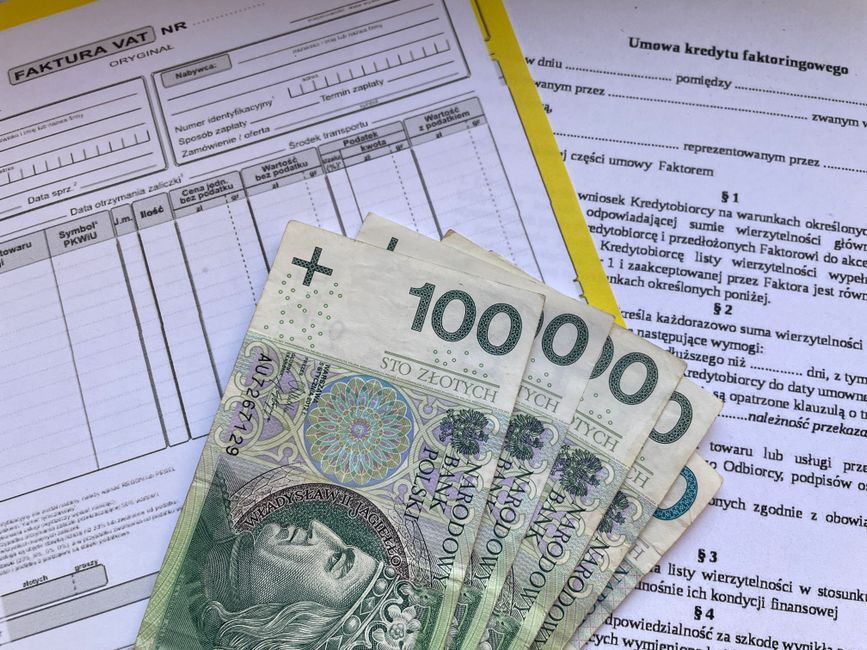
Photo by Niepoddawajsie.pl Luk on Pexels
These factors relate to the overall health and performance of the economy. They include inflation rates, interest rates, exchange rates, economic growth, consumer purchasing power, and unemployment rates. A strong economy generally means more consumer spending, while a recession might mean the opposite.
Social Factors

Photo by Ann H on Pexels
Social factors involve the demographic characteristics, culture, norms, and values of the population. This includes population growth rates, age distribution, lifestyle trends, health consciousness, and cultural attitudes. For instance, a growing elderly population might increase demand for healthcare services.
Technological Factors

Photo by Ann H on Pexels
Technological factors relate to innovations and advancements that can affect industries. This includes new inventions, automation, R&D activity, and the pace of technological change. Rapid technological shifts can create new markets or make existing products obsolete.
Legal Factors
These are specific laws and regulations that impact business. While overlapping with political factors, legal factors often focus on consumer protection, antitrust laws, health and safety regulations, data privacy laws, and intellectual property rights. Compliance is key here.
Environmental Factors
Environmental factors refer to ecological and environmental aspects that influence business. This includes climate change, pollution, resource scarcity, sustainability practices, and environmental regulations. Growing consumer demand for eco-friendly products is an example.
Here's how these factors are interconnected:
graph TD
    P["Political Factors (e.g., Govt. policy, Stability)"] --> O1("Opportunities")
    P --> T1("Threats")

    E["Economic Factors (e.g., Inflation, Growth)"] --> O2("Opportunities")
    E --> T2("Threats")

    S["Social Factors (e.g., Demographics, Lifestyles)"] --> O3("Opportunities")
    S --> T3("Threats")

    Te["Technological Factors (e.g., Innovation, Automation)"] --> O4("Opportunities")
    Te --> T4("Threats")

    L["Legal Factors (e.g., Regulations, Laws)"] --> O5("Opportunities")
    L --> T5("Threats")

    En["Environmental Factors (e.g., Climate, Sustainability)"] --> O6("Opportunities")
    En --> T6("Threats")

    subgraph Macro-Environmental Analysis
        P --> A[/"Business Strategy Decisions"/]
        E --> A
        S --> A
        Te --> A
        L --> A
        En --> A
    end
3. Worked Example
Imagine you're managing a company that produces and sells electric scooters. Let's do a quick PESTLE scan:
- Political: A new government policy offers tax rebates for buying electric vehicles and invests in bike lanes. This is an opportunity.
- Economic: Inflation is high, and consumer disposable income is decreasing. This could be a threat as fewer people can afford non-essential items. However, rising fuel prices (economic) also make electric scooters more attractive.
- Social: There's a growing trend towards sustainable transport and health-conscious commuting among urban populations. This is a significant opportunity.
- Technological: Battery technology is improving rapidly, leading to longer ranges and faster charging. This is an opportunity for better products, but also a threat if competitors adopt new tech faster.
- Legal: New city bylaws are introduced, requiring helmets for all scooter riders and limiting speeds on certain paths. This could be a minor threat (some might be deterred) but also ensures safer riding conditions, which is an opportunity for wider adoption.
- Environmental: Increased public awareness about air pollution and carbon emissions. This creates a strong opportunity for electric, emission-free transport.
By looking at these, you'd identify that while economic headwinds are a concern, the political, social, technological, and environmental factors largely present significant opportunities for your electric scooter business.
4. Key Takeaways
- The macro-environment consists of broad, external forces you can't control but must monitor.
- PESTLE analysis helps you systematically categorize and analyze these influences.
- Political factors include government policies, stability, and regulations.
- Economic factors cover inflation, interest rates, and economic growth.
- Social factors involve demographics, cultural trends, and lifestyle changes.
- Technological factors focus on innovations and the pace of new developments.
- Legal factors are specific laws like consumer protection or data privacy.
- Environmental factors relate to ecological concerns and sustainability.
Common mistakes to avoid:
- Confusing macro-environmental factors with micro-environmental factors (like competitors or customers).
- Ignoring factors that seem distant; they can still have a ripple effect.
- Failing to regularly update your PESTLE analysis as the environment changes.
- Not distinguishing between an opportunity and a threat for your specific business.
5. Now Try It
Choose a local business you're familiar with (e.g., a coffee shop, a bookstore, a small tech repair shop). Spend 15 minutes brainstorming at least one significant political, economic, social, technological, legal, and environmental factor that could impact that business. For each factor, decide if it represents an opportunity or a threat for that specific business.
What success looks like: You'll have a list of six distinct factors, each clearly categorized and identified as either an opportunity or a threat for your chosen business.
Frequently asked about The Macro-Environment
More from MANAGEMENT MAN 132
Get the full MANAGEMENT MAN 132 curriculum
Clone the complete plan to your dashboard for unlimited AI-generated notes, practice quizzes, and a personalised revision schedule.
Save this course free