The Market Environment: Customers and Suppliers
From the MANAGEMENT MAN 132 curriculum
TL;DR
Understanding your market environment means knowing who your customers are and what they want, and who your suppliers are and how they impact your business. Effectively managing these relationships is crucial for your company's success and competitive advantage. Ignoring either can lead to missed opportunities or significant operational problems.
1. The Mental Model
Think of your business as sitting in the middle of a tug-of-war. On one side are your customers pulling you towards their needs, and on the other are your suppliers influencing what you can offer. Balancing these forces ensures your business stays stable and moves forward.
2. The Core Material
The market environment is a key external factor influencing every business. It's essentially the landscape outside your company's walls, primarily focusing on the immediate operational context: your customers and your suppliers.
Understanding Customers

Photo by SpotOn POS on Pexels
Customers are the lifeblood of any business. Without them, there's no revenue. Understanding your customers involves:
- Identifying Target Segments: Who are your ideal customers? What are their demographics (age, income, location), psychographics (lifestyle, values, interests), and behaviors (how they shop, what they buy)?
- Understanding Needs and Wants: What problems do your customers need solved? What are their desires? What motivates their purchasing decisions? This isn't just about the product itself, but also convenience, service, and brand image.
- Customer Relationship Management (CRM): How do you build and maintain strong relationships? This includes communication strategies, feedback mechanisms, and loyalty programs.
- Customer Lifetime Value (CLV): How much revenue can you expect a customer to generate over their relationship with your company? This helps prioritize customer retention.
Understanding Suppliers
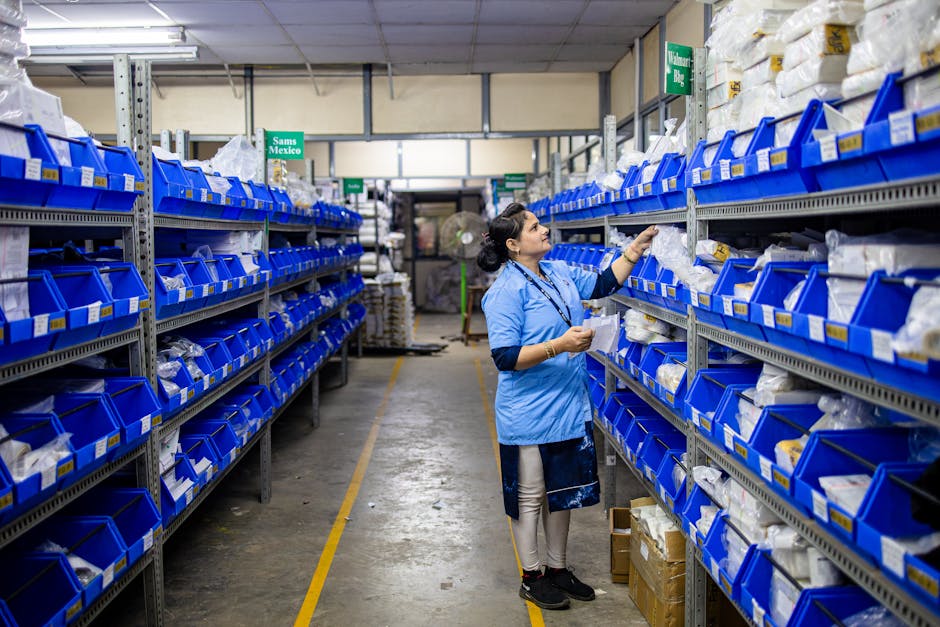
Photo by EqualStock IN on Pexels
Suppliers provide the resources, materials, and services your business needs to operate. Your relationship with them can significantly impact your costs, quality, and ability to deliver. Key aspects include:
- Supplier Identification and Selection: Finding reliable suppliers who can meet your quality, quantity, and delivery requirements at a competitive price.
- Supply Chain Management: The entire process of getting products or services from raw materials to the final customer. This involves logistics, inventory management, and risk assessment.
- Supplier Relationship Management (SRM): Building strong, collaborative relationships with key suppliers can lead to better terms, innovation, and problem-solving.
- Dependency and Risk: How dependent are you on a single supplier? What happens if a key supplier faces issues? Diversifying suppliers can mitigate risks.
Interdependence: The Customer-Supplier Chain
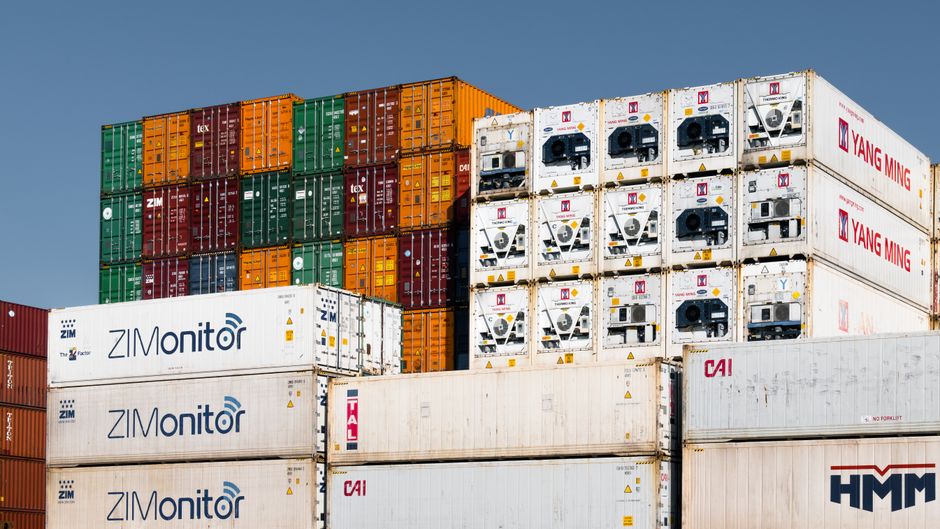
Photo by Wolfgang Weiser on Pexels
Your customers' needs often dictate what you demand from your suppliers, and your suppliers' capabilities can limit what you can offer your customers. It's a continuous chain. For example, if customers demand eco-friendly products, you need suppliers who can provide sustainable materials.
Here's a simplified view of this interconnected relationship:
graph TD
    A["Customer Needs/Demands"] --> B["Your Business Product/Service Offering"]
    B --> C["Your Business Resource Needs"]
    C --> D["Supplier Offerings/Capabilities"]
    D --> B
    D --> E["Supplier Issues/Opportunities"]
    E --> C
    E --> B
3. Worked Example
Imagine you own a small artisanal bakery, "The Daily Loaf."
Customers: Your target customers are local residents who value fresh, high-quality, organic bread, and appreciate unique flavors. They're willing to pay a premium for these qualities and often seek out locally-sourced ingredients. They want consistent availability and friendly service.
Suppliers: You rely on several key suppliers:
* A local organic flour mill for your main ingredient.
* A regional dairy farm for butter and milk.
* A national distributor for specialty yeast and packaging.
* A local farmer's market for seasonal fruit and herbs.
Scenario: Recently, your customers have been asking for more vegan bread options. This is a customer need. To meet this, you need to adjust your product offering. This creates a new resource need – a reliable supplier for high-quality vegan butter alternatives and other specific vegan ingredients. You investigate new supplier offerings, perhaps a specialty ingredient distributor, or explore existing suppliers for new products. If your existing dairy farm could offer a plant-based milk, that would be a new supplier capability directly influenced by customer demand. If your flour mill has a temporary production issue, this supplier issue directly impacts your ability to bake and meet customer demand, requiring you to find an alternative flour source quickly.
4. Key Takeaways
- Understand your customers' needs and wants to effectively tailor your products or services.
- Identify and cultivate strong relationships with reliable suppliers to ensure quality and continuity of operations.
- The demands of your customers directly influence what you require from your suppliers.
- Poor supplier management can lead to product quality issues, higher costs, or delivery delays affecting customer satisfaction.
- Ignoring customer feedback can lead to missed opportunities or a decline in market relevance.
- Regularly assess your market environment to adapt to changes in both customer preferences and supplier capabilities.
Common Mistakes:
- Assuming you know what customers want without asking or doing market research.
- Relying too heavily on a single supplier without backup options.
- Not negotiating effectively with suppliers, leading to higher costs or unfavorable terms.
- Failing to communicate openly and regularly with both customers and key suppliers.
5. Now Try It
Think about a product or service you recently purchased. For this product, identify who the end customer was (could be you!) and list at least two key types of suppliers that the company providing that product/service would need to operate. Briefly explain how a change in customer preference could impact one of those suppliers, or how an issue with a supplier could affect the end customer's experience.
Success looks like: You've clearly identified the customer and at least two relevant suppliers. You can logically connect a shift in customer demand to an impact on a supplier, or a supplier issue to an impact on the customer.
Frequently asked about The Market Environment: Customers and Suppliers
More from MANAGEMENT MAN 132
Get the full MANAGEMENT MAN 132 curriculum
Clone the complete plan to your dashboard for unlimited AI-generated notes, practice quizzes, and a personalised revision schedule.
Save this course free