Core VAT Concepts and Terminology
From the TAXATION 1 curriculum
TL;DR
VAT (Value Added Tax) is a consumption tax levied on the sale of goods and services, where businesses charge VAT on sales (output tax) and recover VAT on purchases (input tax). The government receives the net difference, making the end consumer ultimately bear the tax burden. Understanding key terms like "taxable person," "taxable supply," and different VAT rates is crucial for compliance.
1. The Mental Model
Think of VAT as a relay race: each business in the supply chain collects a chunk of the tax from its customer and passes it on to the next business (or the tax authority). The baton (the actual tax burden) always ends up with the final consumer.
2. The Core Material
VAT is a tax on consumption, meaning it's paid by the final consumer of goods and services. However, it's collected by businesses at each stage of the supply chain.
What is VAT?
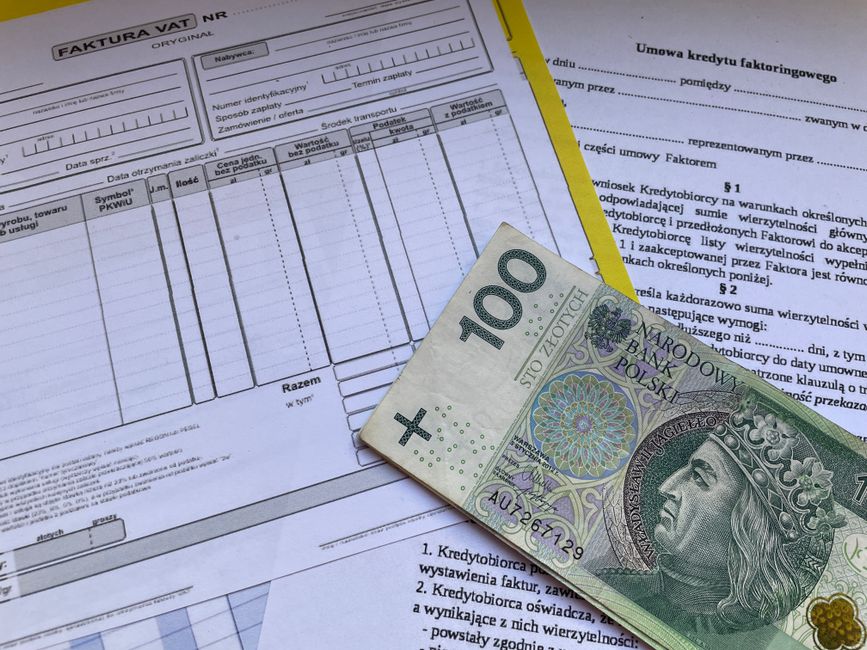
Photo by Niepoddawajsie.pl Luk on Pexels
Value Added Tax (VAT) is an indirect tax. "Indirect" means it's not directly levied on a person's income or wealth, but on the consumption of goods and services. Businesses act as agents for the tax authority, collecting it from their customers and paying it over.
Key Terminology

Photo by Nataliya Vaitkevich on Pexels
- Taxable Person: This is any individual, partnership, company, or other entity that carries on an economic activity and is registered (or required to be registered) for VAT. If you're selling goods or services, you might be a taxable person.
- Taxable Supply: This refers to any supply of goods or services made by a taxable person in the course or furtherance of their business. Taxable supplies can be:
- Standard-rated: The most common rate (e.g., 20% in the UK).
- Reduced-rated: A lower rate applied to specific goods/services (e.g., 5% on domestic fuel in the UK).
- Zero-rated: Technically taxable, but the rate is 0%. This means you don't charge VAT, but you can still recover input VAT related to these supplies (e.g., most food, children's clothing in the UK).
- Exempt Supply: These are specific supplies where no VAT is charged, and importantly, you generally cannot recover input VAT related to making exempt supplies (e.g., insurance, education, most financial services).
- Output Tax: This is the VAT that a taxable person charges on their taxable supplies (sales). It's VAT "out" of your business.
- Input Tax: This is the VAT that a taxable person pays on their purchases (inputs) from other VAT-registered businesses. It's VAT "into" your business.
- VAT Period: The interval for which a business calculates and reports its VAT liability to the tax authority. This is usually quarterly, but can be monthly or annually.
- VAT Return: The form submitted to the tax authority at the end of each VAT period, detailing output tax, input tax, and the net amount due or repayable.
How VAT Works (The Chain)

Photo by Amar Preciado on Pexels
Each business in the supply chain charges VAT on its sales (output tax) and claims back VAT it paid on its purchases (input tax). The difference is what's paid to or received from the tax authority.
graph TD
    A["Raw Material Supplier (e.g., Timber)"] -->|Sells to Manufacturer + VAT| B["Furniture Manufacturer"]
    B -->|Sells to Retailer + VAT| C["Furniture Retailer"]
    C -->|Sells to Customer + VAT| D["Final Consumer"]

    subgraph VAT Flow
        A -- (Collects VAT, Pays Net to Gov) --> Gov_A["Tax Authority"]
        B -- (Collects VAT, Claims VAT paid to A, Pays Net to Gov) --> Gov_B["Tax Authority"]
        C -- (Collects VAT, Claims VAT paid to B, Pays Net to Gov) --> Gov_C["Tax Authority"]
    end

    D -- (Bears Final VAT Cost) --> End["End of VAT Chain"]
Example:
* Raw Material Supplier sells timber for £100 + £20 VAT (output tax). Pays £20 to tax authority.
* Manufacturer buys timber for £100 + £20 VAT (input tax). Sells furniture for £300 + £60 VAT (output tax). Pays £60 - £20 = £40 to tax authority.
* Retailer buys furniture for £300 + £60 VAT (input tax). Sells to consumer for £500 + £100 VAT (output tax). Pays £100 - £60 = £40 to tax authority.
* Final Consumer pays £500 + £100 VAT. Bears the full £100 VAT.
The total VAT collected by the tax authority is £20 + £40 + £40 = £100, which is exactly the VAT paid by the final consumer.
The Importance of VAT Registration
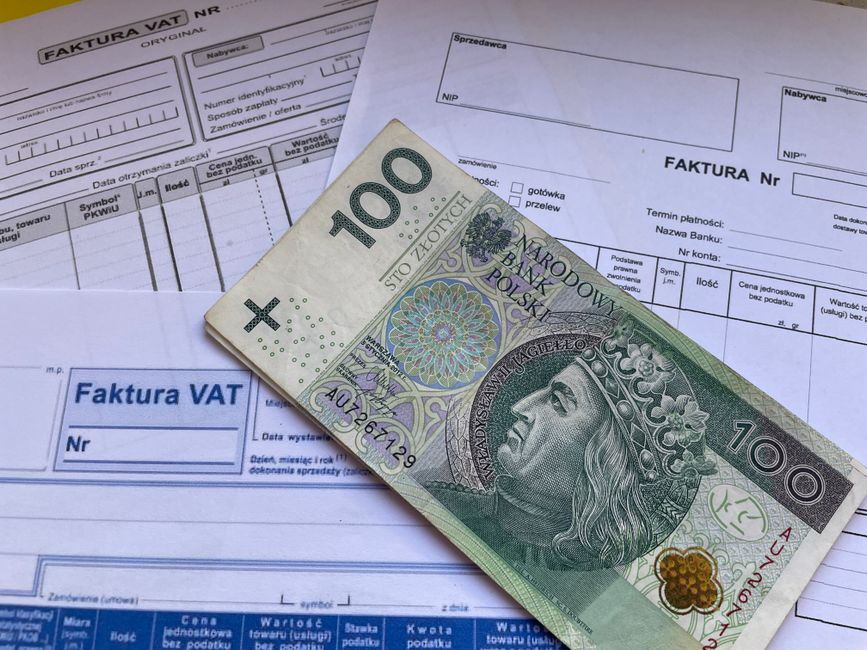
Photo by Niepoddawajsie.pl Luk on Pexels
Businesses usually must register for VAT if their taxable turnover (sales) exceeds a certain threshold in a 12-month period. Once registered, they must charge VAT on their taxable supplies, issue VAT invoices, keep records, and submit VAT returns.
3. Worked Example
Let's say you run a small IT consultancy business, "Tech Solutions Ltd.", and your VAT period is a quarter.
During the quarter, you:
1. Invoice a client for IT support: £2,000 + 20% VAT = £2,400.
2. Buy new office software: £300 + 20% VAT = £360.
3. Pay your phone bill: £50 + 20% VAT = £60.
4. Invoice another client for web development: £1,500 (this client is based in a country outside the VAT regime, so it's a zero-rated export supply).
Calculation:
-
Output Tax:
- IT Support: £2,000 * 20% = £400
- Web Development: £1,500 * 0% = £0
- Total Output Tax = £400
-
Input Tax:
- Office Software: £300 * 20% = £60
- Phone Bill: £50 * 20% = £10
- Total Input Tax = £70
-
Net VAT Payable/Refundable:
- Total Output Tax - Total Input Tax = £400 - £70 = £330
You would pay £330 to the tax authority for this VAT period. Even though your web development supply was zero-rated, you could still recover the input tax related to it. If it had been an exempt supply, you generally couldn't recover that related input tax.
4. Key Takeaways
- VAT is a consumption tax ultimately borne by the final consumer, collected by businesses along the supply chain.
- A "taxable person" conducts an economic activity and is VAT registered or should be.
- "Taxable supplies" are subject to VAT (standard, reduced, or zero-rated), while "exempt supplies" are not, with different rules for input tax recovery.
- "Output tax" is VAT charged on sales; "input tax" is VAT paid on purchases.
- Businesses pay the net difference between output tax and input tax to the tax authority.
Common mistakes to avoid:
- Confusing zero-rated supplies with exempt supplies; they have different implications for input tax recovery.
- Forgetting to charge VAT on standard-rated supplies if you are VAT registered.
- Not keeping proper records of VAT invoices for both sales and purchases.
- Missing the VAT registration threshold and failing to register on time.
5. Now Try It
Imagine you run a small bookstore. In a quarter, you sell £5,000 worth of standard-rated books, £1,000 worth of children's books (zero-rated), and £300 worth of educational magazines (exempt). You also paid £800 + 20% VAT on rent, and £150 + 20% VAT on new shelves. Calculate your total output tax, total input tax, and the net VAT amount due or refundable for the quarter.
Frequently asked about Core VAT Concepts and Terminology
Study this next
Get the full TAXATION 1 curriculum
Clone the complete plan to your dashboard for unlimited AI-generated notes, practice quizzes, and a personalised revision schedule.
Save this course free