Core Definitions and Key Terminology
From the Firearm Licensing Authority and regulations curriculum
TL;DR
Understanding key terms like "firearm," "ammunition," and "license" is crucial for navigating firearm regulations. These definitions dictate what items are regulated and who needs permission to possess them. Misinterpreting these terms can lead to legal issues.
1. The Mental Model
Think of these definitions as the foundational vocabulary for the entire course. Just like learning the alphabet before reading, mastering these terms ensures you understand the rules, restrictions, and responsibilities associated with firearms. They are the building blocks of the regulatory framework.
2. The Core Material
When discussing firearm licensing and regulations, specific words have precise legal meanings. These meanings often differ from how these words are used in everyday conversation. Getting these definitions right is the first step to understanding the law.
What is a "Firearm"?

Photo by https://kaboompics.com/ on Pexels
Legally, a firearm isn't just any gun. It typically refers to any portable weapon designed or adapted to discharge a shot, bullet, or other missile by the action of an explosive. This can include pistols, rifles, shotguns, and even some antique weapons if they're still functional. The key is its capability to propel a projectile using an explosive force.
What is "Ammunition"?
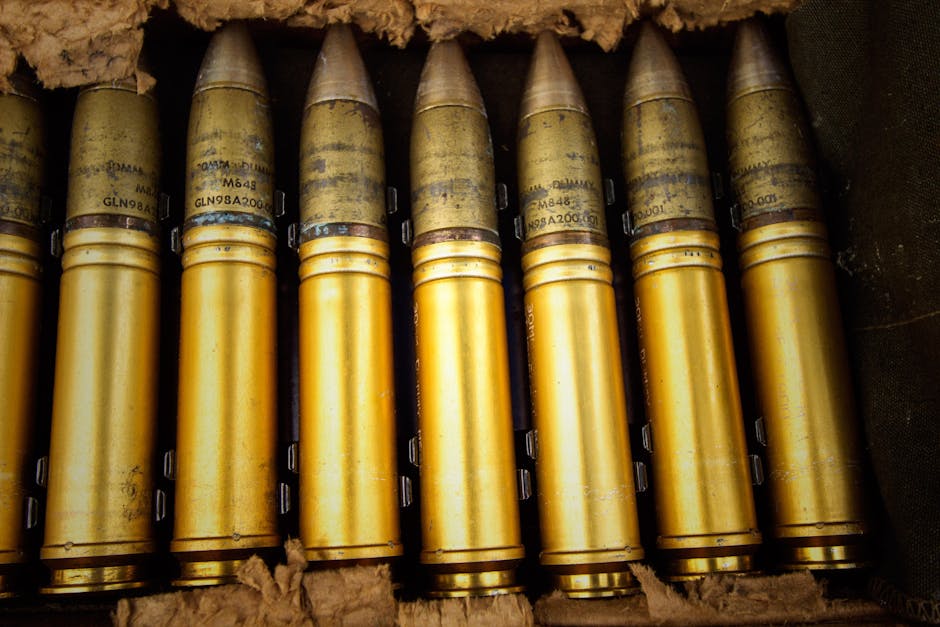
Photo by Megapixelstock on Pexels
Ammunition refers to the complete rounds or components used in a firearm. This includes cartridges, shells, bullets, gunpowder, primers, and casings. It's not just the projectile itself but the entire assembly that allows a firearm to function.
What is a "License" or "Permit"?
Photo by Jan van der Wolf on Pexels
A license or permit is the official authorization issued by a governing authority (like the Firearm Licensing Authority, FLA) that allows an individual or entity to possess, carry, or deal in firearms and ammunition. It's a legal document proving you have met specific criteria and are authorized to engage in certain firearm-related activities.
Who is a "Licensed Firearm Holder"?

Photo by Dan Galvani Sommavilla on Pexels
A licensed firearm holder is an individual who has successfully applied for and been granted a valid license or permit by the FLA to possess a firearm and/or ammunition. This means they've undergone background checks, training, and met all legal requirements.
Understanding "Prohibited Weapon"
A prohibited weapon is a class of firearm or device that is generally not allowed for civilian ownership, even with a license, due to its nature (e.g., fully automatic weapons, certain explosive devices, or specific high-capacity magazines). Laws vary, but these are typically restricted to military or law enforcement.
Here's a simple flow of how these definitions relate to the licensing process:
graph TD
    A["Individual seeks to acquire firearm"] --> B{"Is the item a 'Firearm'?"}
    B -- Yes --> C{"Is the item 'Prohibited'?"}
    B -- No --> D["No license needed (e.g., toy gun)"]
    C -- Yes --> E["Acquisition is illegal"]
    C -- No --> F["Individual applies for 'License'"]
    F --> G{"Does individual meet criteria?"}
    G -- Yes --> H["Individual becomes 'Licensed Firearm Holder'"]
    G -- No --> I["Application denied"]
    H --> J["Can legally possess 'Ammunition' for licensed firearm"]
3. Worked Example
Let's say John wants to buy a handgun.
- Is it a "Firearm"? Yes, a handgun is designed to discharge a bullet by explosive force.
- Is it "Prohibited"? No, a standard handgun, assuming it's not fully automatic or otherwise restricted, is generally not a prohibited weapon for civilians in this context.
- Needs a "License": Because it's a firearm and not prohibited, John must apply to the FLA for a firearm license.
- Application Process: John submits his application, undergoes background checks, training, and interviews.
- Becomes a "Licensed Firearm Holder": If approved, John receives his license. He can then legally purchase the handgun and Ammunition for it. Without the license, possessing the handgun or its ammunition would be illegal.
4. Key Takeaways
- A "firearm" is legally defined by its ability to discharge a projectile using an explosive.
- "Ammunition" includes all components necessary for a firearm to operate, not just the bullet.
- A "license" is mandatory official permission to possess or use firearms and ammunition.
- A "licensed firearm holder" is someone legally authorized by the FLA to possess firearms.
- "Prohibited weapons" are generally illegal for civilian ownership, even with a license.
- The precise legal definitions determine what you can own and what permits you need.
Common Mistakes to Avoid:
- Assuming all "guns" are legally defined as "firearms"; some replicas or airsoft guns might not be.
- Thinking "ammunition" only refers to the bullet itself, forgetting about primers or casings.
- Believing a training certificate is the same as a license; it's a step, not the final authorization.
- Not checking if a specific type of firearm is "prohibited" before trying to acquire it.
5. Now Try It
Review the FLA's official website or relevant legislation. Find the exact legal definitions for "firearm," "ammunition," and "prohibited weapon" in your jurisdiction. Note down any specific nuances or exclusions mentioned in those definitions (e.g., what types of antique firearms might be exempt, or specific calibers that are restricted).
Success looks like: You have written down the precise legal wording for these three terms, along with one specific example of an exclusion or nuance for each, directly from the official source.
Frequently asked about Core Definitions and Key Terminology
Study this next
Get the full Firearm Licensing Authority and regulations curriculum
Clone the complete plan to your dashboard for unlimited AI-generated notes, practice quizzes, and a personalised revision schedule.
Save this course free