Introduction to Value Added Tax (VAT)
From the TAXATION 1 curriculum
TL;DR
VAT is a consumption tax levied on the value added at each stage of production and distribution, ultimately borne by the final consumer. Businesses act as collection agents for the government, charging VAT on sales and reclaiming VAT on purchases. The net amount (VAT collected minus VAT paid) is remitted to or refunded by the tax authority.
1. The Mental Model
Think of VAT as a relay race: each business in the supply chain passes the "VAT baton" to the next, adding their own piece, until the final consumer crosses the finish line, paying the total VAT. The government collects from each runner but only keeps the final consumer's contribution.
2. The Core Material
Value Added Tax (VAT) is an indirect tax on consumption, meaning it's ultimately paid by the consumer but collected by businesses. It's applied to the "value added" at each stage of production and distribution.
What is "Value Added"?

Photo by Ann H on Pexels
The "value added" is simply the difference between a business's sales price (output) and its cost of taxable purchases (input). This is why VAT is often called a multi-stage sales tax.
How VAT Works (The Chain)

Photo by Amar Preciado on Pexels
- Supplier sells to Manufacturer: Supplier charges VAT to Manufacturer. Supplier pays this VAT to the government.
- Manufacturer sells to Wholesaler: Manufacturer charges VAT to Wholesaler. Manufacturer reclaims the VAT paid to the Supplier and pays the net VAT (VAT on sales minus VAT on purchases) to the government.
- Wholesaler sells to Retailer: Wholesaler charges VAT to Retailer. Wholesaler reclaims the VAT paid to Manufacturer and pays the net VAT to the government.
- Retailer sells to Final Consumer: Retailer charges VAT to Final Consumer. Retailer reclaims the VAT paid to Wholesaler and pays the net VAT to the government.
The final consumer cannot reclaim VAT, so they bear the full burden of the tax.
Key Terminology

Photo by Nataliya Vaitkevich on Pexels
- Input VAT: VAT a business pays on its purchases of goods and services.
- Output VAT: VAT a business charges on its sales of goods and services.
- Taxable Person: Any individual or entity that carries on an economic activity and is registered (or required to be registered) for VAT.
- Taxable Supply: A supply of goods or services made by a taxable person in the course or furtherance of a business, which is subject to VAT.
- Standard Rate: The most common VAT rate applied to goods and services.
- Reduced Rate: A lower VAT rate applied to specific goods or services (e.g., certain food items, books).
- Zero-rated Supply: A supply of goods or services that is taxable, but the VAT rate is 0%. Businesses making zero-rated supplies can still reclaim input VAT. (e.g., exports).
- Exempt Supply: A supply of goods or services not subject to VAT. Businesses making exempt supplies cannot reclaim input VAT related to those supplies. (e.g., financial services, certain medical services).
The VAT Mechanism Flow
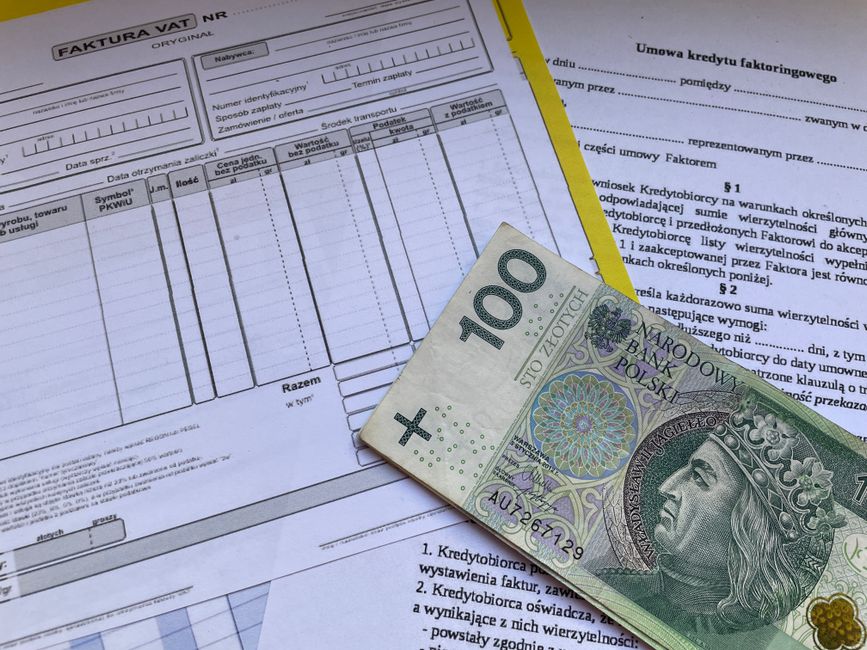
Photo by Niepoddawajsie.pl Luk on Pexels
graph TD
    A["Supplier sells raw materials to Manufacturer"] --> B{Supplier charges VAT to Manufacturer (Output VAT)};
    B --> C["Supplier remits Output VAT to Tax Authority"];
    C --> D["Manufacturer buys raw materials from Supplier"];
    D --> E{Manufacturer pays VAT to Supplier (Input VAT)};
    E --> F["Manufacturer processes and sells finished goods to Wholesaler"];
    F --> G{Manufacturer charges VAT to Wholesaler (Output VAT)};
    G --> H["Manufacturer pays Net VAT to Tax Authority (Output VAT - Input VAT)"];
    H --> I["Wholesaler buys finished goods from Manufacturer"];
    I --> J{Wholesaler pays VAT to Manufacturer (Input VAT)};
    J --> K["Wholesaler sells to Retailer"];
    K --> L{Wholesaler charges VAT to Retailer (Output VAT)};
    L --> M["Wholesaler pays Net VAT to Tax Authority (Output VAT - Input VAT)"];
    M --> N["Retailer buys goods from Wholesaler"];
    N --> O{Retailer pays VAT to Wholesaler (Input VAT)};
    O --> P["Retailer sells goods to Final Consumer"];
    P --> Q{Retailer charges VAT to Final Consumer (Output VAT)};
    Q --> R["Retailer pays Net VAT to Tax Authority (Output VAT - Input VAT)"];
    R --> S["Final Consumer bears the full VAT burden (cannot reclaim)"];
3. Worked Example
Let's assume a standard VAT rate of 15%.
-
Logger (Supplier): Sells logs to a Sawmill for R1,000.
- Logger charges VAT: R1,000 * 15% = R150.
- Logger's Output VAT: R150. (Logger remits R150 to the Tax Authority).
-
Sawmill (Manufacturer): Buys logs for R1,000 + R150 VAT = R1,150. Processes them into planks and sells to a Furniture Maker for R2,000.
- Sawmill's Input VAT: R150.
- Sawmill charges VAT to Furniture Maker: R2,000 * 15% = R300.
- Sawmill's Output VAT: R300.
- Sawmill's net VAT payable: Output VAT (R300) - Input VAT (R150) = R150. (Sawmill remits R150 to the Tax Authority).
-
Furniture Maker (Retailer): Buys planks for R2,000 + R300 VAT = R2,300. Makes a table and sells it to a Final Consumer for R4,000.
- Furniture Maker's Input VAT: R300.
- Furniture Maker charges VAT to Final Consumer: R4,000 * 15% = R600.
- Furniture Maker's Output VAT: R600.
- Furniture Maker's net VAT payable: Output VAT (R600) - Input VAT (R300) = R300. (Furniture Maker remits R300 to the Tax Authority).
Total VAT collected by the government: R150 (from Logger) + R150 (from Sawmill) + R300 (from Furniture Maker) = R600.
Total VAT paid by the Final Consumer: R600.
The final consumer ultimately bears the entire R600 VAT, even though it was collected in stages.
4. Key Takeaways
- VAT is a consumption tax, meaning the final burden falls on the consumer.
- Businesses act as tax collectors for the government, charging VAT on sales and reclaiming it on purchases.
- The "value added" at each stage of the supply chain is what gets taxed.
- Input VAT is what you pay; Output VAT is what you charge.
- Net VAT payable = Output VAT - Input VAT.
- Zero-rated supplies allow input VAT recovery, while exempt supplies do not.
Common Mistakes to Avoid:
- Confusing zero-rated supplies with exempt supplies; they have different input VAT implications.
- Forgetting to properly account for input VAT, which can lead to overpaying tax.
- Not understanding your business's VAT registration threshold, which can result in penalties.
- Failing to issue proper tax invoices, which are crucial for others to claim input VAT.
5. Now Try It
Imagine you own a small bakery. You buy flour for R500 (plus 15% VAT), sugar for R200 (plus 15% VAT), and electricity for R100 (plus 15% VAT). You then bake cakes and sell them for R1,500 (plus 15% VAT). Calculate your total Input VAT, your total Output VAT, and the net VAT you need to pay to the tax authority.
What success looks like: You'll have correctly calculated the VAT on each purchase and sale, summed them up, and then determined the final amount your bakery owes to the tax authority.
Frequently asked about Introduction to Value Added Tax (VAT)
Study this next
Get the full TAXATION 1 curriculum
Clone the complete plan to your dashboard for unlimited AI-generated notes, practice quizzes, and a personalised revision schedule.
Save this course free