Introduction to Solid Waste and Its Characteristics
From the WASTE MANAGEMENT OPEN ELECTIVE 2 curriculum
TL;DR
Solid waste is any discarded material that isn't liquid or gas, originating from homes, industries, and other sources. Understanding its characteristics like composition, moisture, and density is crucial for effective waste management. This knowledge helps in choosing the right collection, treatment, and disposal methods, making waste management more sustainable.
1. The Mental Model
Think of solid waste as everything you throw away that's not water or air. To manage it well, you need to know what it's made of, how wet it is, and how much space it takes up. This helps you figure out the best way to handle it, from your bin to its final resting place.
2. The Core Material
Solid waste is a broad term for any non-liquid or non-gaseous discarded material that is no longer useful. It's generated from various human activities and can pose significant environmental and health risks if not managed properly.
What is Solid Waste?
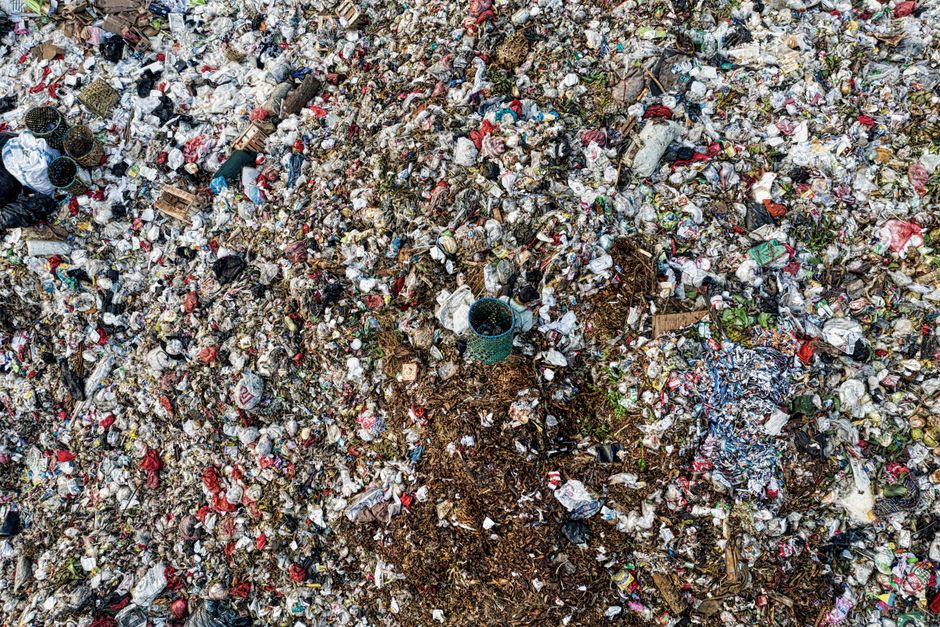
Photo by Tom Fisk on Pexels
Solid waste can be broadly classified based on its source:
- Municipal Solid Waste (MSW): This is what you typically think of as "trash" or "garbage." It comes from households, commercial establishments (like shops and restaurants), institutions (schools, hospitals), and even street sweepings. Examples include food scraps, paper, plastics, glass, metals, textiles, and yard waste.
- Industrial Waste: This is generated from manufacturing processes, chemical industries, power plants, and other industrial activities. It can include anything from packaging materials and scrap metal to hazardous chemical by-products.
- Agricultural Waste: Waste from farming activities, such as crop residues (straw, stalks), animal manure, and pesticide containers.
- Biomedical/Healthcare Waste: Waste generated from hospitals, clinics, laboratories, and research centers. This can be infectious, pathological, pharmaceutical, or sharps waste.
- Construction and Demolition (C&D) Waste: Debris generated during the construction, renovation, and demolition of buildings, roads, and other structures. This includes concrete, wood, metal, plaster, and asphalt.
- Hazardous Waste: Any waste that poses a substantial or potential threat to public health or the environment. This can be found in industrial, municipal, and even household waste streams (e.g., batteries, paints, chemicals).
Characteristics of Solid Waste
Photo by Tom Fisk on Pexels
Understanding the characteristics of solid waste is essential for designing efficient waste management systems (collection, treatment, and disposal). These characteristics can be grouped into physical, chemical, and biological properties.
Physical Characteristics
These describe the physical attributes of the waste.
- Composition: This refers to the different types of materials present in the waste stream, usually expressed as a percentage by weight. For MSW, common components are food waste, paper, plastic, glass, metals, and yard waste. Knowing the composition helps in planning recycling programs and choosing appropriate treatment technologies (e.g., composting for organics, incineration for high calorific value waste).
- Moisture Content: The amount of water present in the waste, typically expressed as a percentage of the total weight. High moisture content can make waste heavier, reduce its heating value (important for incineration), and promote decomposition.
- Density: The mass per unit volume of waste. It's often expressed as kilograms per cubic meter (kg/m³). Density varies greatly depending on the waste type and how compacted it is. High density means more waste can be transported or stored in a given volume, which is important for collection and landfill design.
- Particle Size: The size of individual waste components. This can influence material recovery (e.g., screening for smaller particles) and the efficiency of some treatment processes.
Chemical Characteristics
These describe the chemical properties of the waste, which are crucial for energy recovery and environmental impact assessment.
- Proximate Analysis: Determines the percentages of moisture, volatile matter (materials that vaporize at high temperatures), fixed carbon (charcoal-like residue), and ash content.
- Volatile matter: Indicates how much of the waste can be converted into gases during combustion.
- Fixed carbon: Contributes to the calorific value.
- Ash content: The non-combustible residue after burning. High ash content means less energy recovery and more residue to dispose of.
- Ultimate Analysis: Determines the elemental composition of the waste (Carbon, Hydrogen, Oxygen, Nitrogen, Sulfur, Chlorine). This is vital for combustion calculations, understanding air pollution potential (e.g., sulfur and chlorine can form acid gases), and predicting leachate quality in landfills.
- Calorific Value (Heating Value): The amount of heat released when a unit mass of waste is completely burned. It's expressed in kilojoules per kilogram (kJ/kg) or British Thermal Units per pound (BTU/lb). High calorific value waste is suitable for waste-to-energy facilities.
Biological Characteristics
These relate to the biodegradable components of the waste.
- Biodegradability: The ability of organic waste components (like food scraps, yard waste, paper) to be broken down by microorganisms. This is important for composting and anaerobic digestion processes. The biodegradable fraction significantly contributes to landfill gas generation (methane and carbon dioxide).
- Pathogens: Presence of disease-causing microorganisms, especially in biomedical waste and some organic fractions of MSW. This highlights the need for proper handling and treatment to prevent disease transmission.
Here's a diagram illustrating how waste characteristics inform management decisions:
graph TD
    A["Solid Waste Generation"] --> B["Characterization (Physical, Chemical, Biological)"]

    B --> C1["Composition Analysis"]
    B --> C2["Moisture Content"]
    B --> C3["Density"]
    B --> C4["Calorific Value"]
    B --> C5["Biodegradability"]

    C1 --> D1["Recycling Potential (Plastics, Metals, Glass)"]
    C1 --> D2["Composting Suitability (Organics)"]
    C2 --> E1["Incineration Efficiency (Lower for high moisture)"]
    C3 --> F1["Collection Vehicle Sizing"]
    C3 --> F2["Landfill Space Calculation"]
    C4 --> G1["Waste-to-Energy Viability"]
    C5 --> H1["Composting/Anaerobic Digestion Suitability"]
    C5 --> H2["Landfill Gas Potential"]

    D1 --> I["Resource Recovery"]
    D2 --> I
    E1 --> J["Energy Recovery"]
    F1 --> K["Logistics & Infrastructure"]
    F2 --> K
    G1 --> J
    H1 --> I
    H2 --> L["Environmental Impact & Energy Source"]

    I --> M["Sustainable Waste Management"]
    J --> M
    K --> M
    L --> M
3. Worked Example
Let's say a small town wants to improve its waste management. They decide to conduct a waste audit to understand their MSW better.
Audit Findings for 100 kg of collected MSW:
- Physical Composition:
- Food Waste: 30 kg (30%)
- Paper & Cardboard: 25 kg (25%)
- Plastics: 15 kg (15%)
- Glass: 10 kg (10%)
- Metals: 5 kg (5%)
- Textiles: 5 kg (5%)
- Yard Waste: 8 kg (8%)
- Others: 2 kg (2%)
- Moisture Content: Average 50%
- Density (uncompacted): 150 kg/m³
- Calorific Value: 8,000 kJ/kg
How this data helps:
- Recycling Programs: With 25% paper/cardboard, 15% plastics, 10% glass, and 5% metals, there's a strong case for implementing a robust recycling program for these materials.
- Composting: 30% food waste and 8% yard waste (total 38% organic) indicate excellent potential for a composting facility, reducing landfill volume and producing soil amendment.
- Collection & Landfill: The low uncompacted density means that collection vehicles will fill up quickly by volume before reaching their weight limit. Compaction in trucks and at the landfill is critical to optimize space.
- Waste-to-Energy (WTE): With a calorific value of 8,000 kJ/kg, this waste might be suitable for incineration with energy recovery, especially if the high moisture content can be managed or pre-treatment (like drying) is considered for efficiency. However, the high organic fraction suggests composting might be a more environmentally preferred option for that portion.
This detailed understanding allows the town to make informed decisions, like investing in separate organic waste collection and a composting plant, alongside a multi-stream recycling system, rather than just sending everything to a landfill.
4. Key Takeaways
- Solid waste includes any discarded non-liquid or non-gaseous material from various sources.
- Municipal solid waste (MSW) is the most common type, coming from homes and businesses.
- Physical characteristics like composition, moisture content, and density dictate collection and processing needs.
- Chemical characteristics, such as calorific value and elemental analysis, are crucial for energy recovery and environmental impact.
- Biological characteristics, like biodegradability, inform composting and anaerobic digestion potential.
- Proper characterization is the first step in designing effective and sustainable waste management systems.
- Waste characteristics vary significantly by region, lifestyle, and economic activity.
Common mistakes to avoid:
- Assuming all waste is the same; always consider the source and type.
- Ignoring moisture content, which significantly impacts waste weight and energy recovery.
- Not understanding density, which affects collection logistics and landfill capacity.
- Overlooking the potential for recycling or composting due to a lack of composition data.
5. Now Try It
Imagine you are managing waste for a university campus. For 15 minutes, list out the likely major types of solid waste generated on campus (e.g., from dorms, cafeterias, labs, offices). Then, for each waste type, identify one key physical characteristic and one key chemical/biological characteristic you'd want to measure and explain why.
What success looks like: You'll have a clear list of campus waste streams and for each, you'll identify a relevant characteristic (like "high paper content" for offices or "high biodegradability" for cafeterias) and a brief reason why knowing that characteristic is important for waste management on campus.
Frequently asked about Introduction to Solid Waste and Its Characteristics
Study this next
Get the full WASTE MANAGEMENT OPEN ELECTIVE 2 curriculum
Clone the complete plan to your dashboard for unlimited AI-generated notes, practice quizzes, and a personalised revision schedule.
Save this course free