Conclusion: From Chaos to the Brain
From the phil 101 curriculum
TL;DR
This conclusion explores how complex systems, initially appearing chaotic, can give rise to organized structures like the brain through self-organization. We'll look at the concept of emergence, where simple interactions lead to sophisticated behaviors, and how philosophical questions about consciousness arise. Understanding this journey helps us appreciate the intricate relationship between physics, biology, and philosophy.
1. The Mental Model
Think of it like building with LEGOs: individual bricks are simple, but when you combine them following certain rules, you can build incredibly complex structures. Similarly, simple physical laws and basic interactions, over vast amounts of time, can lead to the intricate biological systems we see in the brain. The 'chaos' is the initial randomness, and the 'brain' is the highly ordered, functional outcome.
2. The Core Material
When we talk about the journey "From Chaos to the Brain," we're essentially bridging fundamental physics with the highest forms of biological complexity and consciousness. It's a grand narrative that touches on several key philosophical and scientific ideas.
2.1 Self-Organization and Emergence

Photo by cottonbro studio on Pexels
At the heart of this journey are the concepts of self-organization and emergence. Self-organization refers to the process where order arises from local interactions between components of an initially disordered system, without external guidance. Think of a flock of birds or a school of fish—no single leader, but intricate patterns emerge from simple rules applied by each individual.
Emergence is closely related; it's the idea that complex properties or behaviors arise from simpler elements, but these emergent properties aren't reducible to the sum of their parts. Consciousness, for instance, is often considered an emergent property of the brain's neural activity. You can't find 'consciousness' in a single neuron, but it appears from the intricate dance of billions of them.
Here's how you can visualize this process:
graph TD
    A["Initial Disordered State (Chaos)"] --> B["Simple Local Interactions"];
    B --> C["Feedback Loops"];
    C --> D["Pattern Formation"];
    D --> E["Increasing Complexity & Organization"];
    E --> F["Emergent Properties (e.g., Consciousness)"];
    F --> G["The Brain (Highly Organized System)"];
2.2 The Role of Information

Photo by Pixabay on Pexels
From a chaotic state, information isn't "created" in the traditional sense, but rather structured and processed. The brain is an ultimate information processing machine. It takes sensory input (raw data), organizes it, and uses it to predict, act, and learn. This process is deeply tied to the physical structure of neurons and their connections (synapses), which encode and transmit information.
2.3 Philosophical Implications
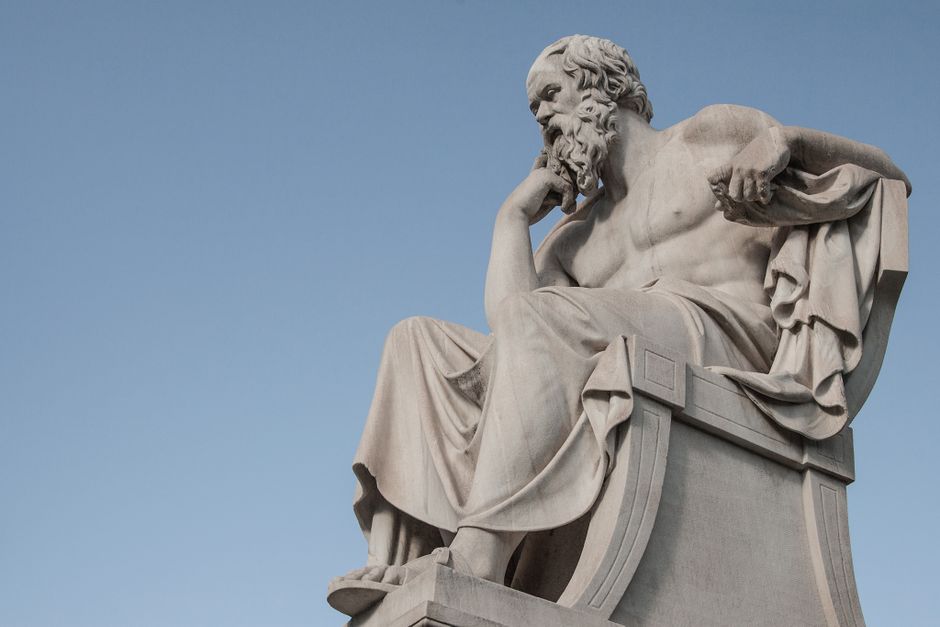
Photo by Anne O'Sullivan on Pexels
The journey from chaos to the brain raises profound philosophical questions:
* Mind-Body Problem: How does a physical brain give rise to non-physical experiences like thoughts and feelings?
* Free Will vs. Determinism: If the brain is a product of physical laws, are our choices truly free, or are they predetermined?
* The Nature of Reality: Does the brain merely perceive reality, or does it actively construct it?
These aren't easy questions, and there aren't definitive answers, but understanding the scientific underpinnings of brain formation helps us frame these debates more rigorously.
3. Worked Example
Consider the development of the visual cortex in a newborn baby. Initially, the connections between neurons are somewhat diffuse and undifferentiated. As the baby starts to see and interact with its environment (visual input – from "chaos"), these inputs trigger specific neural activity. Neurons that fire together, wire together (a principle known as Hebbian learning). This simple rule, applied across millions of neurons over months and years, leads to the emergence of highly specialized visual processing areas in the brain, capable of recognizing faces, objects, and motion. The initial 'chaos' of undeveloped connections becomes a highly organized system capable of complex vision – an emergent property.
4. Key Takeaways
- Complex systems like the brain can arise from simpler components and interactions through self-organization.
- Emergence describes how new, unpredictable properties can appear at higher levels of organization that aren't present in individual parts.
- The brain is a prime example of an emergent system, transforming basic physical interactions into conscious experience.
- Information processing is crucial, as the brain organizes sensory input into meaningful perceptions and actions.
- This journey prompts deep philosophical questions about consciousness, free will, and the nature of reality.
- Understanding the biological and physical foundations informs our philosophical inquiry into the mind.
Common mistakes to avoid:
- Don't confuse "chaos" with "randomness" in the philosophical sense; it refers more to initial disorganization.
- Avoid thinking that emergence means something magically appears; it's about complex interactions, not magic.
- Don't assume that understanding the physical brain completely solves philosophical problems; it provides context, not complete answers.
- Don't simplify the brain's complexity to just input-output; it's a dynamic, self-organizing system.
5. Now Try It
Think about a different complex system you've encountered—it could be an ant colony, a financial market, or even traffic patterns. Spend 15 minutes trying to identify:
1. What are the "simple local interactions" happening within that system?
2. What "emergent properties" or organized behaviors arise from these interactions?
3. How is information processed or transmitted within this system?
4. What philosophical questions might this system raise about individual agency versus collective behavior?
Success looks like you being able to clearly articulate how simple rules lead to complex outcomes in your chosen system, just as they do from "chaos" to the "brain."
Frequently asked about Conclusion: From Chaos to the Brain
More from phil 101
Get the full phil 101 curriculum
Clone the complete plan to your dashboard for unlimited AI-generated notes, practice quizzes, and a personalised revision schedule.
Save this course free