Introduction to the Musculoskeletal System
From the Foundations of healthscience curriculum
TL;DR
The musculoskeletal system provides your body's form, stability, and movement. It's an intricate network primarily composed of bones, muscles, and connective tissues. Understanding its basic structure and function is key to grasping overall health science.
1. The Mental Model
Think of your musculoskeletal system as your body's internal scaffolding and engine. The bones are the rigid framework, while the muscles are the motors that pull on that framework, allowing you to move. Connective tissues like ligaments and tendons hold it all together and transmit forces.
2. The Core Material
Your musculoskeletal system is a complex, integrated system, not just separate parts. It's made up of several key components working together:
Bones: The Framework
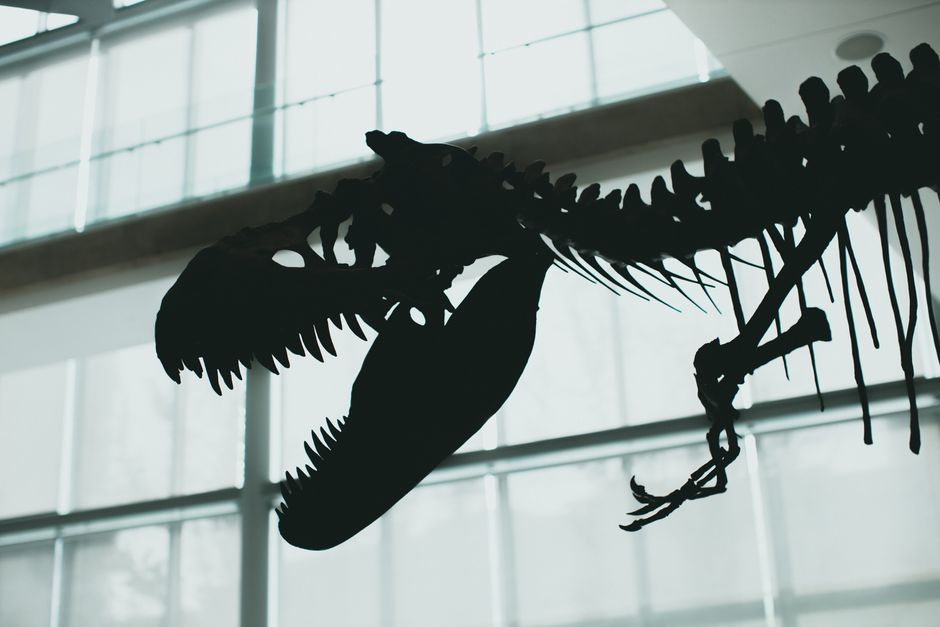
Photo by Jonathan Cooper on Pexels
Bones provide structure, protect organs, store minerals (like calcium), and produce blood cells. They come in various shapes and sizes (e.g., long, short, flat, irregular) to suit their specific roles. Joints are where two or more bones meet, allowing movement.
Muscles: The Movers

Photo by RDNE Stock project on Pexels
Muscles are tissues that contract (shorten) to create movement. There are three main types, but for movement, we focus on skeletal muscles. These are voluntary muscles, meaning you consciously control them. They attach to bones via tendons.
Connective Tissues: The Connectors
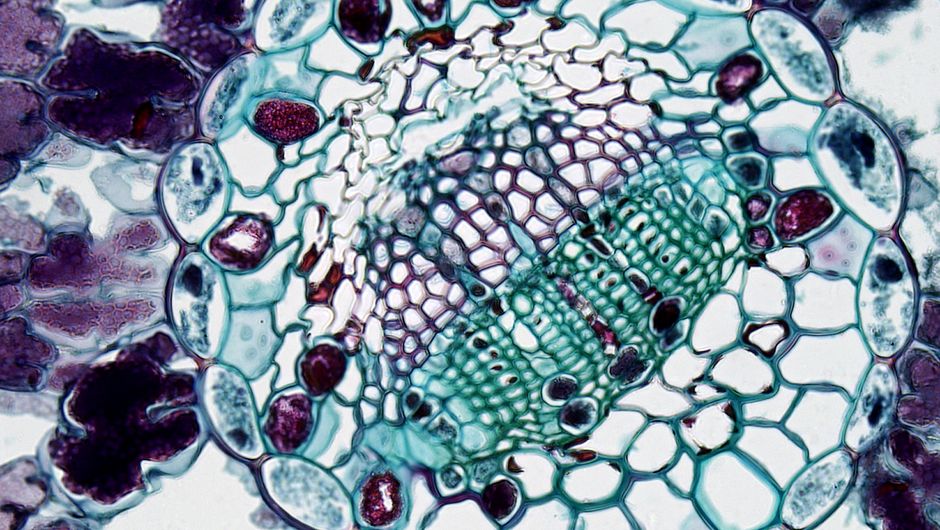
Photo by Fayette Reynolds M.S. on Pexels
- Tendons: Strong, fibrous cords that connect muscles to bones. When a muscle contracts, the tendon pulls on the bone, causing movement.
- Ligaments: Bands of tough, elastic connective tissue that connect bones to other bones, stabilising joints.
- Cartilage: A flexible, yet firm, connective tissue found in joints (like in your knees or between vertebrae). It reduces friction and acts as a shock absorber.
How it all works together

Photo by Walls.io on Pexels
Movement happens when your brain sends signals to a muscle. The muscle contracts, pulling on its attached tendon, which then pulls on the bone it's connected to, causing the bone to move at a joint. This coordinated effort allows for everything from walking to writing.
graph TD
    A["Brain (Initiates signal)"] --> B["Nerves (Transmit signal)"]
    B --> C["Skeletal Muscle (Contracts)"]
    C --> D["Tendon (Pulls on bone)"]
    D --> E["Bone (Moves at joint)"]
    E --> F["Ligament (Stabilises joint)"]
3. Worked Example
Let's consider bending your elbow to lift a cup.
- Your brain sends a signal down your nerves to your biceps muscle in your upper arm.
- The biceps muscle contracts, shortening its length.
- The biceps tendon, which connects the biceps muscle to bones in your forearm, is pulled.
- This pull causes your forearm bones (radius and ulna) to pivot upwards at the elbow joint.
- Ligaments around the elbow joint ensure that this movement is stable and controlled, preventing dislocation.
- Meanwhile, your triceps muscle (on the back of your upper arm), which opposes the biceps, relaxes to allow this movement.
This coordinated action of muscles, bones, tendons, and ligaments allows you to smoothly lift the cup.
4. Key Takeaways
- The musculoskeletal system is made of bones, muscles, tendons, ligaments, and cartilage.
- Bones provide structure and protection, while muscles create movement.
- Tendons connect muscles to bones; ligaments connect bones to bones.
- Movement occurs when muscles contract, pulling on bones via tendons at joints.
- Cartilage provides cushioning and reduces friction within joints.
- The system also protects organs and stores essential minerals.
- Understanding this system is foundational to understanding human movement and injury.
Common mistakes you should avoid:
* Confusing tendons and ligaments – remember "T" for tendon connects "M"uscle to "B"one, and "L"igament connects "B"one to "B"one.
* Thinking muscles push bones – they only pull by contracting.
* Underestimating the role of cartilage in joint health and movement.
* Viewing bones, muscles, and tissues as completely separate systems rather than integrated parts of a whole.
5. Now Try It
Exercise: Identify the musculoskeletal components involved in kicking a football.
What to do:
1. Imagine the action of kicking a football.
2. List at least two bones, two muscles, and one type of connective tissue that would be actively involved in that specific motion.
3. Briefly describe the role each component plays in the kick.
What success looks like: You've correctly identified relevant bones (e.g., femur, tibia), muscles (e.g., quadriceps, hamstrings), and connective tissues (e.g., quadriceps tendon, knee ligaments) and can explain how they work together for the kicking motion.
Frequently asked about Introduction to the Musculoskeletal System
Study this next
Get the full Foundations of healthscience curriculum
Clone the complete plan to your dashboard for unlimited AI-generated notes, practice quizzes, and a personalised revision schedule.
Save this course free