Aftermath and Consequences of the Battle
From the the battle of hastings curriculum
TL;DR
William's victory at Hastings fundamentally changed England forever. It led to a new Norman ruling class, a profound shift in language and culture, and reshaped the entire political landscape of the British Isles.
1. The Mental Model
Imagine a country undergoing a complete reboot. That's essentially what happened to England after Hastings. A new foreign power took over, replacing the old system with their own in almost every aspect of life.
2. The Core Material
The Battle of Hastings wasn't just a single battle; it was the start of a massive transformation for England. William the Conqueror, after his victory in October 1066, wasn't immediately king of all England. He had to consolidate his power, which took years of campaigning and suppressing rebellions.
Norman Conquest and Political Control
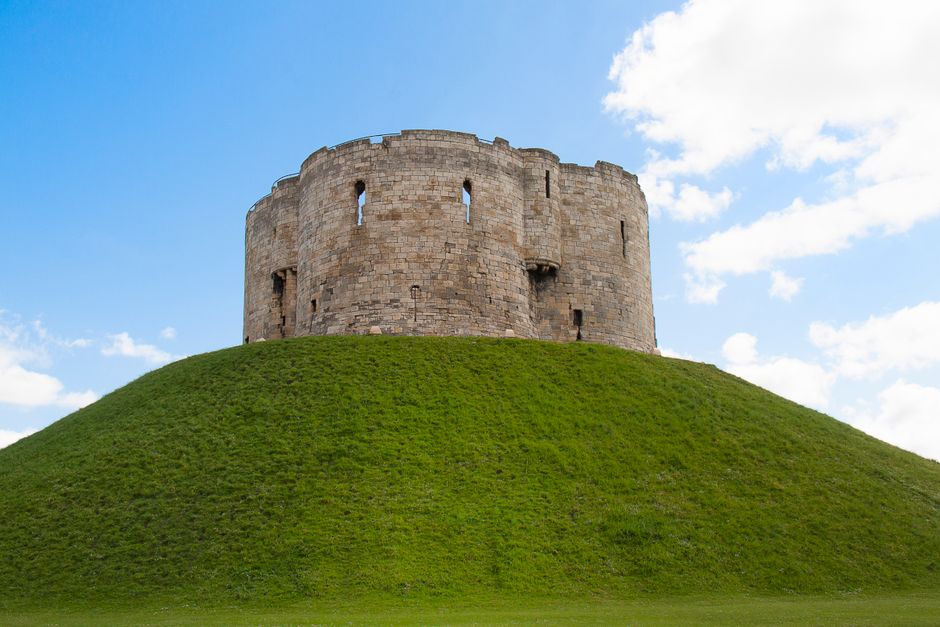
Photo by Bob Jenkin on Pexels
After Hastings, William marched on London. Key English nobles and clergy submitted to him at Berkhamsted, and he was crowned King of England on Christmas Day 1066. However, this didn't mean immediate peace. Many English resisted, leading to brutal campaigns like the "Harrying of the North," where William devastated northern England to suppress rebellions.
The existing Anglo-Saxon aristocracy was largely dispossessed. Their lands were confiscated and given to Norman followers. This created a new Norman ruling class that held all the key positions of power – earls, bishops, sheriffs – effectively replacing the old English elite.
Changes in Language and Culture

Photo by Ann H on Pexels
One of the most profound impacts was on language. Old English, the language spoken before the conquest, began to evolve significantly. Norman French became the language of government, law, and the aristocracy. Over centuries, these two languages blended to form what we now call Middle English, the ancestor of modern English. You can still see this influence today in words like "beef" (Norman French) versus "cow" (Old English), or "justice" (Norman French) versus "right" (Old English).
Culturally, Norman influence was everywhere. Architecture changed, with the construction of massive stone castles and cathedrals in the Norman style. Feudalism, a system of land tenure and loyalty, became firmly established in England, defining social hierarchy for centuries.
European Alignment

Photo by Colin G on Pexels
Before the conquest, England had strong ties to Scandinavia. After the conquest, England's political and cultural ties shifted dramatically towards continental Europe, particularly France. This realignment would have long-lasting effects on England's foreign policy and identity.
Here's a diagram showing the cause-and-effect chain of the Battle of Hastings:
graph TD
    A["Battle of Hastings (1066)"] --> B["William's Victory"]
    B --> C["Coronation of William I"]
    C --> D["Dispossession of Anglo-Saxon Elite"]
    D --> E["Norman Nobility & Clergy"]
    E --> F["Establishment of Feudalism"]
    C --> G["Introduction of Norman French"]
    G --> H["Evolution of English Language"]
    C --> I["New Architectural Styles (Castles, Cathedrals)"]
    C --> J["Shift in England's European Alliances"]
    F & H & I & J --> K["Profound Transformation of England"]
3. Worked Example
Let's look at the impact on land ownership. Before 1066, an Anglo-Saxon nobleman like Edwin, Earl of Mercia, owned vast tracts of land. After the conquest, William confiscated these lands. Edwin's lands, for example, might have been granted to a Norman baron like Roger de Montgomery, as a reward for his loyalty and service in the invasion. This wasn't an isolated incident; it was a systematic transfer of wealth and power from the native English to the invading Normans, establishing a new feudal hierarchy where the king was at the top, granting land in return for military service and loyalty.
4. Key Takeaways
- The Battle of Hastings didn't just end a battle; it started the Norman Conquest, a process of consolidating power that took years.
- William I established a new ruling class, replacing the Anglo-Saxon aristocracy with his Norman followers.
- English society was fundamentally reorganized under a strict feudal system, with land tenure tied to loyalty and service to the king.
- Norman French became the language of power, significantly influencing the development of the English language.
- Culturally, England shifted from Scandinavian influences to strong ties with continental Europe, particularly France.
- The conquest led to major changes in architecture, with many castles and cathedrals built in the Norman style.
- This period saw widespread devastation in areas like the 'Harrying of the North' to suppress English rebellions.
Common mistakes you should avoid:
- Thinking the conquest was over immediately after the Battle of Hastings.
- Underestimating the long-term impact on the English language and culture.
- Assuming the English population readily accepted Norman rule without resistance.
- Focusing only on the battle itself and not its broader societal changes.
5. Now Try It
Imagine you are an Anglo-Saxon scribe living in England shortly after 1066. Write a short diary entry (about 100-150 words) describing how your daily life and observations have changed due to the new Norman rule. Mention at least two specific changes related to language, power, or culture that you would have noticed.
What success looks like: Your diary entry should clearly reflect the perspective of someone witnessing these changes firsthand, using details that show an understanding of the immediate aftermath of the conquest.
Frequently asked about Aftermath and Consequences of the Battle
Study this next
Get the full the battle of hastings curriculum
Clone the complete plan to your dashboard for unlimited AI-generated notes, practice quizzes, and a personalised revision schedule.
Save this course free