Introduction to International Finance and Globalisation
From the International Finance 321 Semester Test curriculum
TL;DR
International finance looks at how money moves across borders, impacting economies through trade, investment, and exchange rates. Globalisation describes the increasing interconnectedness of countries in economic, political, and cultural ways. Understanding these concepts helps you grasp the complexities of the global economy and its influence on your daily life.
1. The Mental Model
Think of the world as one big marketplace where countries constantly interact through buying, selling, lending, and borrowing. International finance is the set of rules and mechanisms governing these cross-border money flows. Globalisation is the overarching trend of this marketplace becoming increasingly integrated and interdependent.
2. The Core Material
International finance is a specialized area of economics that studies monetary interactions between two or more countries. It covers topics like exchange rates, foreign direct investment, and the balance of payments. Globalisation, while a broader concept, is deeply intertwined with international finance, as increased financial flows are a key driver and outcome of a more integrated world.
Exchange Rates

Photo by Atlantic Ambience on Pexels
The exchange rate is simply the price of one currency in terms of another. For example, how many US dollars you need to buy one Euro. Exchange rates are crucial because they affect the cost of imports and exports, making them vital for international trade and investment decisions.
Foreign Direct Investment (FDI)
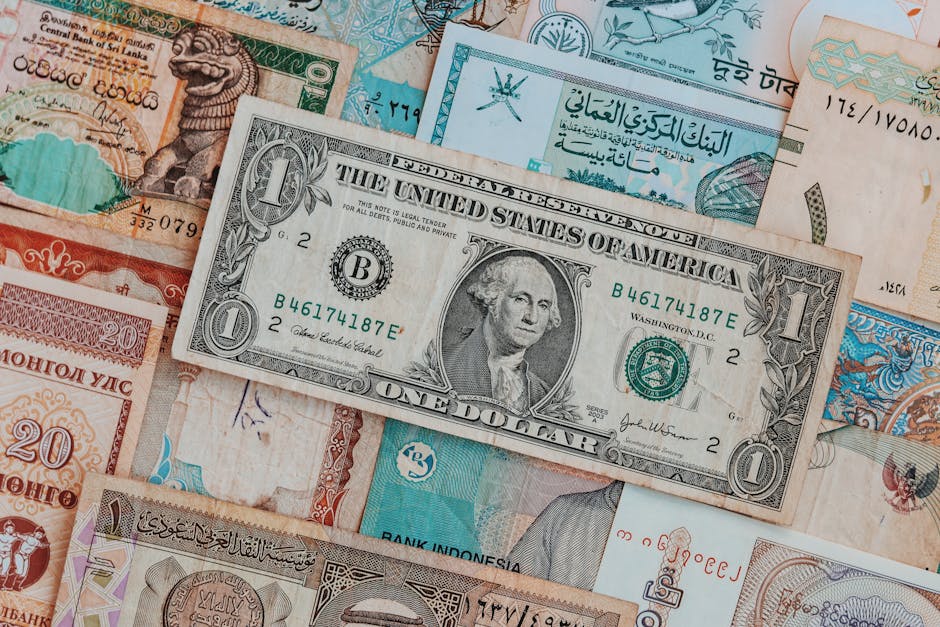
Photo by Pratikxox on Pexels
FDI involves an investor from one country establishing or acquiring a lasting interest in an enterprise located in another country. Think of a German car company building a factory in the US. This isn't just about buying stocks; it's about gaining significant control or influence over a foreign business. FDI is a major channel for capital flows and can bring technology, jobs, and management expertise to the host country.
Balance of Payments (BOP)

Photo by Ravi Roshan on Pexels
The BOP is an accounting record of all economic transactions between residents of a country and residents of all other countries over a specific period, usually a year. It's divided into two main accounts:
* Current Account: Records trade in goods and services, income (like interest and dividends), and current transfers. A surplus means a country is earning more from abroad than it's spending.
* Capital and Financial Account: Records international purchases and sales of financial assets (like stocks, bonds, and real estate) and capital transfers.
Globalisation and Its Drivers

Photo by Alena Darmel on Pexels
Globalisation refers to the growing interdependence of the world's economies, cultures, and populations, brought about by cross-border trade in goods and services, technology, and flows of investment, people, and information.
graph TD
    A[Technological Advancements] --> B(Reduced Communication & Transport Costs)
    B --> C{Increased Cross-Border Flows}
    C --> D[Economic Globalisation]
    D --> E(Financial Globalisation)
    D --> F(Trade Globalisation)
    G[Policy Liberalisation] --> C
    E --> H[Interconnected Financial Markets]
    F --> I[Global Supply Chains]
    H & I --> J[Overall Globalisation]
The diagram above illustrates how technological advancements and policy decisions have fueled globalisation by reducing barriers to cross-border flows, leading to interconnected economies and markets.
3. Worked Example
Imagine you're a US company, "TechCorp," wanting to expand. You have two options:
1. Domestic Expansion: Build a new factory in Ohio for $100 million.
2. Foreign Direct Investment (FDI): Build a new factory in Germany. This involves buying land, machinery, and hiring staff in Germany. Let's say the cost is €90 million.
To compare these, you need to use the exchange rate. If the exchange rate is $1.10 = €1.00, then the German factory would cost you $99 million ($1.10 * 90 million).
This example shows how exchange rates directly impact FDI decisions. A stronger dollar (meaning you get more euros per dollar) makes foreign investment cheaper for US companies, encouraging FDI outflows. Conversely, a weaker dollar makes foreign investment more expensive.
4. Key Takeaways
- International finance studies how money, capital, and financial assets move between countries.
- Globalisation is the process of increasing economic, cultural, and political integration worldwide.
- Exchange rates are the prices of one currency in terms of another and are critical for international transactions.
- Foreign Direct Investment (FDI) involves gaining significant control over a foreign enterprise, fostering economic ties.
- The Balance of Payments (BOP) systematically records all international economic transactions of a country.
- Technological advancements and policy liberalization are key drivers of globalisation.
- Understanding international finance helps explain trade patterns, investment flows, and currency fluctuations.
5. Now Try It
Spend 15 minutes researching the recent (last 6 months) exchange rate fluctuations between the US Dollar and the Euro. Think about how a strengthening or weakening of the Dollar against the Euro might affect a US company considering either importing goods from Germany or investing directly in a German factory. What would be the implications for both the US company and the German economy?
Frequently asked about Introduction to International Finance and Globalisation
Study this next
Get the full International Finance 321 Semester Test curriculum
Clone the complete plan to your dashboard for unlimited AI-generated notes, practice quizzes, and a personalised revision schedule.
Save this course free