Prose and Poetry: Intensive Study
From the HCL - Grade 10 ICSE curriculum
TL;DR
Intensive study means diving deep into a text to understand its layers of meaning, literary devices, and author's purpose. It involves careful analysis of both what's said and how it's said in a piece of prose or poetry. You'll explore themes, characters, structure, and language to truly grasp the work's message.
1. The Mental Model
Think of intensive study like peeling an onion: you start with the outermost layer (the literal story), then peel back layer after layer (themes, symbolism, language) to reach the core meaning. Every part contributes to the whole, and understanding each piece helps you see the bigger picture.
2. The Core Material
Intensive study for prose and poetry requires a close reading and analysis of various elements. You're not just reading for plot; you're dissecting the text.
Prose Analysis (Stories, Essays, Plays)
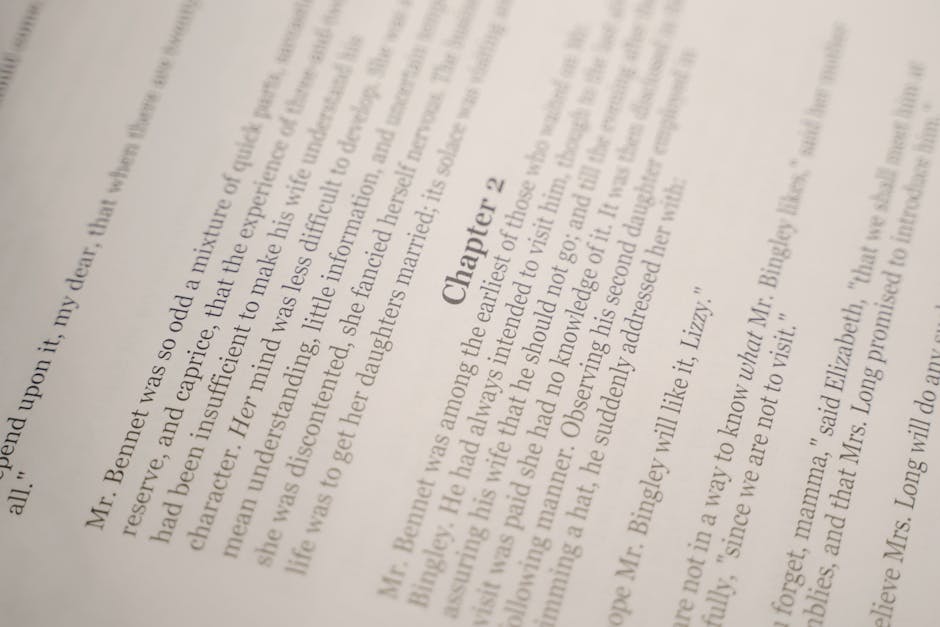
Photo by cottonbro studio on Pexels
When studying prose intensively, you'll focus on:
* Plot: The sequence of events. What happens, and why?
* Characterization: How are characters developed? What are their motivations, conflicts, and relationships?
* Setting: Where and when does the story take place? How does it influence the mood or characters?
* Theme: The underlying message or idea the author wants to convey (e.g., love, loss, courage).
* Conflict: The struggle between opposing forces (character vs. self, character vs. character, character vs. nature/society).
* Narrative Technique/Point of View: Who is telling the story (first person, third person omniscient, etc.) and how does it affect your understanding?
* Literary Devices: Look for metaphors, similes, irony, foreshadowing, symbolism, etc., and understand their effect.
Poetry Analysis

Photo by Yaroslav Shuraev on Pexels
Poetry often packs a lot of meaning into a few words, so intensive study is crucial:
* Speaker/Voice: Who is speaking in the poem? Is it the poet or a persona?
* Theme: The central idea or message.
* Structure/Form: How is the poem organized (stanzas, rhyme scheme, meter, free verse)? Does the form contribute to the meaning?
* Imagery: Words that appeal to your senses (sight, sound, touch, taste, smell). What images are created, and what do they evoke?
* Figurative Language: Metaphors, similes, personification, hyperbole, etc. What comparisons are being made?
* Sound Devices: Alliteration, assonance, consonance, onomatopoeia, rhythm, rhyme. How do these sounds affect the poem's mood or meaning?
* Tone: The author's attitude towards the subject.
Here's a breakdown of the intensive study process:
graph TD
    A["Initial Reading (First Impressions)"] --> B["Identify Key Elements (Plot, Characters, Basic Theme)"]
    B --> C["Second Reading (Deeper Dive)"]
    C --> D["Analyze Literary Devices (Imagery, Metaphors, Symbolism)"]
    D --> E["Explore Structure & Form (Rhyme, Meter, Stanzas, POV)"]
    E --> F["Uncover Themes & Author's Message"]
    F --> G["Formulate Your Interpretation/Argument"]
3. Worked Example
Let's take a line from Robert Frost's "Stopping by Woods on a Snowy Evening":
"Whose woods these are I think I know.
His house is in the village though;
He will not see me stopping here
To watch his woods fill up with snow."
Intensive Study:
* Initial Thought: The speaker is stopping to look at snowy woods.
* Speaker: A person on a journey, aware of property ownership.
* Setting: Snowy woods, implying solitude, quiet, and perhaps isolation from human activity (the village).
* Imagery: "Woods fill up with snow" evokes a sense of peace, quiet, and slow accumulation, perhaps suggesting a desire to pause or be absorbed by nature.
* Theme: The desire to escape or pause from responsibilities ("His house is in the village though") and the allure of nature's beauty and tranquility. There's a subtle tension between the speaker's personal desire to stop and the implied need to continue their journey. The "owner" represents the societal world and its demands.
* Form: Regular rhyme scheme (AABA, BBCB, CCDC, DDDD in the full poem) and meter create a steady, almost contemplative rhythm, fitting the reflective mood.
4. Key Takeaways
- Intensive study means going beyond the surface to understand deeper meanings.
- Always consider how the author says something, not just what they say.
- Literary devices are tools authors use to enhance meaning and evoke emotion.
- Context (historical, cultural) can often illuminate a text's themes.
- Your interpretation should always be supported by textual evidence.
- Reading a text multiple times helps you discover new layers.
- Paying attention to structure, form, and sound can reveal authorial intent.
Common Mistakes to Avoid:
* Summarizing instead of analyzing: Just retelling the story isn't intensive study.
* Ignoring literary devices: Don't just list them; explain their effect.
* Making unsupported claims: Always back your points with specific quotes or examples from the text.
* Assuming the author's intention without evidence: Focus on what the text itself suggests.
5. Now Try It
Choose a short poem (like William Blake's "The Tyger" or Sarojini Naidu's "The Bangle Sellers") or a short paragraph from a story you've read. Read it once for general understanding. Then, reread it, specifically looking for:
1. Three distinct images the author creates.
2. Any figurative language (metaphors, similes, personification).
3. What you think the main theme or message is.
4. How the chosen images or figurative language contribute to that theme.
Success looks like: Being able to identify specific textual evidence for your observations and explaining how these elements work together to convey the author's message.
Frequently asked about Prose and Poetry: Intensive Study
Study this next
Get the full HCL - Grade 10 ICSE curriculum
Clone the complete plan to your dashboard for unlimited AI-generated notes, practice quizzes, and a personalised revision schedule.
Save this course free