Introduction to Jayanta Mahapatra and Indian English Poetry
From the Analyze the themes found in jayanta mahapatras poem grandfather for 15 marks also first about the poet about the poem and themes and idk for 15 marks curriculum
Introduction to Jayanta Mahapatra and Indian English Poetry
TL;DR
Jayanta Mahapatra is a key figure in Indian English Poetry, known for his introspective and evocative style. His poem "The Captive Air of Chandipur-on-Sea" explores themes of nature, human connection, and the passage of time. Understanding these themes helps you appreciate the depth and complexity of his work.
1. The Mental Model
Think of Jayanta Mahapatra as a poet who uses vivid imagery to explore deep feelings about his home, nature, and the human condition. His poems often feel like quiet meditations that invite you to look closely at the world around you.
2. The Core Material
Jayanta Mahapatra (1928-2023) was a renowned Indian English poet who significantly contributed to post-independence Indian literature. He was the first Indian English poet to receive the Sahitya Akademi Award for English poetry. His work is often characterized by its regional focus, particularly his connection to Odisha, and his exploration of themes like nature, history, love, and spiritual introspection.
Indian English Poetry itself refers to poetry written by Indians in the English language. It emerged as a distinct literary tradition, blending Indian sensibilities and experiences with the English language, often exploring post-colonial identity, cultural clashes, and personal journeys. Mahapatra, along with poets like A.K. Ramanujan and Nissim Ezekiel, helped shape this genre into a significant voice on the global literary stage.
Understanding "The Captive Air of Chandipur-on-Sea"
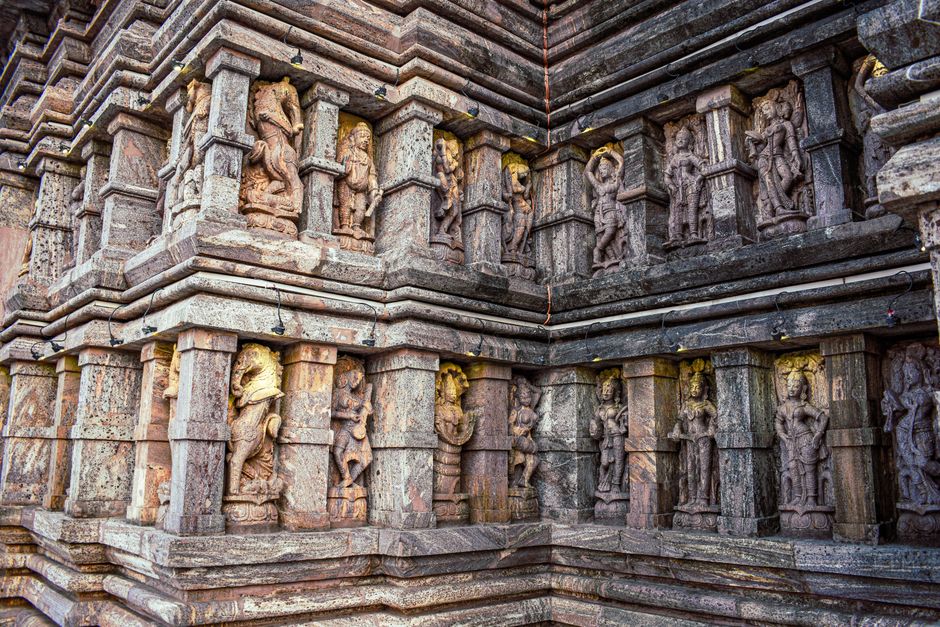
Photo by Tanmoy Pal on Pexels
This poem is a beautiful example of Mahapatra's style. Chandipur is a coastal town in Odisha known for its unique receding shoreline. The "captive air" isn't just about the physical atmosphere; it also suggests feelings, memories, and the very essence of the place being held or contained.
Here are the main themes you should focus on:
a. Nature and its Interplay with Human Experience
Mahapatra often uses nature not just as a backdrop, but as an active participant or a reflection of human emotions and situations. In Chandipur, the sea, the sand, and the air aren't just elements; they become imbued with feelings, memories, and the transient nature of life. The vastness of the sea can evoke a sense of timelessness or insignificance, while the receding tide might symbolize loss or the fleeting nature of moments.
b. Time, Memory, and Transience
The poem frequently touches on the passage of time and how memories cling to places and experiences. The changing landscape of Chandipur, with its unique receding tide, serves as a powerful metaphor for transience. What's present now might be gone in a moment, much like memories that surface and fade. The "captive air" itself could hold echoes of past events or emotions, suggesting that time isn't linear but layered.
c. Human Connection and Isolation
While often meditative, Mahapatra's poetry also subtly explores human relationships and the feelings of connection or, conversely, isolation. The sense of a "captive air" might also hint at emotional states—feelings that are held within, or the unspoken bonds (or distances) between people who experience a place together. There's often a quiet observer's perspective, which can emphasize both shared humanity and individual solitude.
graph TD
    A["Jayanta Mahapatra's Themes"] --> B("Nature & Human Experience")
    A --> C("Time, Memory, & Transience")
    A --> D("Human Connection & Isolation")

    B --> B1("Sea, Sand, Air as reflections of emotion")
    C --> C1("Receding tide as metaphor for change/loss")
    C --> C2("Memories clinging to place")
    D --> D1("Subtle exploration of relationships")
    D --> D2("Feelings held within 'captive air'")
3. Worked Example
Let's look at a possible line or idea from the poem (as you haven't given me specific lines, I'll imagine one consistent with his style):
"The waves, like old thoughts, break silently on the sand."
Here, the waves (nature) are directly compared to old thoughts (memory/time). The "silently" suggests the quiet, internal nature of memory and how past events continue to surface without fanfare. This blends the theme of nature reflecting human experience with the theme of time and memory. The very act of watching this might evoke a sense of both connection to the timeless rhythm of the sea and a personal sense of isolation in one's own thoughts.
4. Key Takeaways
- Jayanta Mahapatra is a leading voice in Indian English Poetry, known for his reflective style.
- "The Captive Air of Chandipur-on-Sea" uses the specific landscape of Chandipur to explore universal themes.
- Nature in his poems isn't just scenery; it's deeply entwined with human feelings and experiences.
- The poem explores how time passes, memories linger, and experiences are transient.
- Mahapatra often delves into the quiet intricacies of human connection and moments of solitude.
- His language is usually precise and evocative, relying on strong imagery to convey meaning.
- The "captive air" metaphor suggests something held or contained—be it feelings, memories, or the essence of a place.
Common Mistakes to Avoid:
- Don't just list elements of nature; explain how they relate to human emotion or time.
- Avoid treating the poem as a simple description of a place; look for its deeper, symbolic meanings.
- Don't neglect the "Indian" aspect; Mahapatra's specific cultural and regional context often informs his universal themes.
- Don't interpret "captive" only literally; think about its metaphorical implications for feelings or memories.
5. Now Try It
Spend 15 minutes thinking about a specific place you know well. Write a short paragraph (3-5 sentences) describing that place, but infuse your description with one of Mahapatra's themes: how does the natural environment of that place reflect personal memory, or the passage of time, or feelings of connection/isolation? What kind of "captive air" does your place hold? What you're aiming for is to see how you can use concrete details to suggest abstract themes, much like Mahapatra does.
Frequently asked about Introduction to Jayanta Mahapatra and Indian English Poetry
Get the full Analyze the themes found in jayanta mahapatras poem grandfather for 15 marks also first about the poet about the poem and themes and idk for 15 marks curriculum
Clone the complete plan to your dashboard for unlimited AI-generated notes, practice quizzes, and a personalised revision schedule.
Create Free Account