Chemical Basis of Life
From the biology curriculum
TL;DR
Life as we know it depends on the unique properties of water and the organization of simple atoms into complex molecules. These molecules, like carbohydrates, lipids, proteins, and nucleic acids, are the building blocks and functional components of all living cells. Understanding these chemical foundations is key to understanding how organisms survive and interact.
1. The Mental Model
Imagine life is built from LEGOs. The smallest LEGO bricks are atoms. These atoms stick together to form bigger, specialized LEGO structures (molecules) that then assemble into even larger, working machines (cells and organisms).
2. The Core Material
Life fundamentally relies on chemistry. Everything from your thoughts to a plant growing involves chemical reactions and structures.
Atoms: The Basic Ingredients

Photo by Steve A Johnson on Pexels
Atoms are the smallest units of matter that retain the identity of a chemical element. They consist of a nucleus (protons and neutrons) and orbiting electrons. The number of electrons in the outermost shell (valence electrons) determines how an atom will react with others. The most common elements in living things are Carbon (C), Hydrogen (H), Oxygen (O), Nitrogen (N), Phosphorus (P), and Sulfur (S) – remember them as CHNOPS.
Molecules: Atoms Joining Forces
Photo by Steve A Johnson on Pexels
Atoms bond together to form molecules.
* Covalent bonds share electrons and are very strong. Water (H₂O) is a great example.
* Ionic bonds involve one atom donating an electron to another, creating charged particles (ions) that attract each other. Table salt (NaCl) is ionic.
* Hydrogen bonds are weaker attractions between molecules, crucial for water's properties and protein structure.
Water: The Solvent of Life
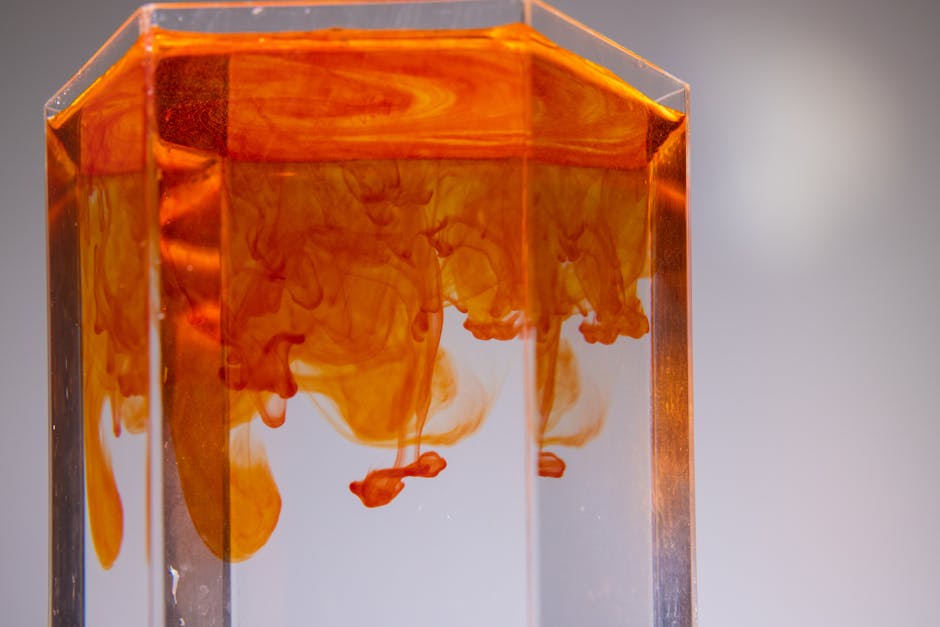
Photo by Jill Burrow on Pexels
Water is absolutely essential for life. Its polarity (one end slightly positive, the other slightly negative) allows it to dissolve many substances, earning it the title "universal solvent." This polarity also leads to:
* Cohesion (water molecules stick to each other)
* Adhesion (water molecules stick to other surfaces)
* High specific heat (it takes a lot of energy to change its temperature), which helps regulate body temperatures.
graph TD
    A["Water (H₂O)"] --> B["Polar Molecule"]
    B --> C["Cohesion (sticks to itself)"]
    B --> D["Adhesion (sticks to other things)"]
    B --> E["High Specific Heat (stable temperature)"]
    B --> F["Excellent Solvent (dissolves many substances)"]
    F --> G["Facilitates Chemical Reactions"]
    C & D & E & F --> H["Essential for Life"]
Macromolecules: The Building Blocks of Cells
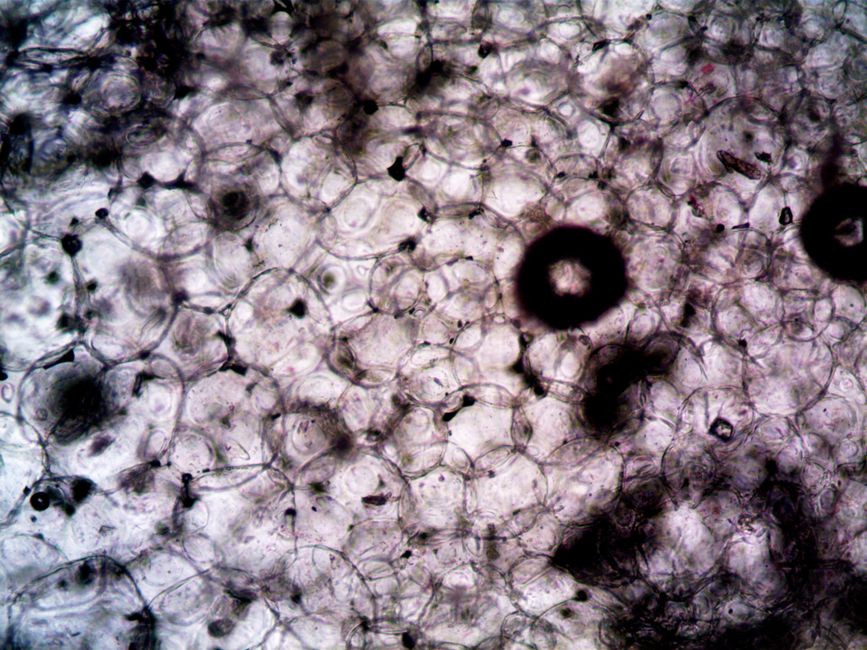
Photo by turek on Pexels
Living organisms are largely made up of four major classes of organic (carbon-based) macromolecules. These are usually polymers, meaning they're long chains built from repeating smaller units called monomers.
Carbohydrates
- Monomer: Monosaccharides (simple sugars like glucose).
- Polymer: Polysaccharides (complex sugars like starch, glycogen, cellulose).
- Function: Primary energy source for cells, structural support in plants (cellulose).
Lipids
- Monomer: No true repeating monomer, but built from fatty acids and glycerol.
- Examples: Fats, oils, phospholipids, steroids.
- Function: Long-term energy storage, cell membrane structure (phospholipids), hormones. They're generally hydrophobic (don't mix with water).
Proteins
- Monomer: Amino acids (20 different types).
- Polymer: Polypeptides (proteins).
- Function: Incredible variety! Enzymes (speed up reactions), structural support (collagen), transport (hemoglobin), defense (antibodies), muscle contraction. Their 3D shape is crucial for their function.
Nucleic Acids
- Monomer: Nucleotides (made of a sugar, a phosphate group, and a nitrogenous base).
- Polymer: DNA (deoxyribonucleic acid) and RNA (ribonucleic acid).
- Function: Store and transmit genetic information. DNA contains the blueprint for life, and RNA helps carry out those instructions.
3. Worked Example
Let's look at how glucose (a carbohydrate) and insulin (a protein) work together in your body.
When you eat, carbohydrates are broken down into glucose (a monosaccharide). This glucose enters your bloodstream. Your pancreas then releases insulin, a protein hormone. Insulin molecules have a specific 3D shape that allows them to bind to receptors on your cells. This binding acts like a key, signaling cells to take up glucose from the blood for energy or storage. If insulin isn't shaped correctly, it can't bind, and glucose can't enter the cells, leading to high blood sugar levels.
4. Key Takeaways
- Atoms, especially CHNOPS, are the fundamental units of life, forming molecules through various bonds.
- Water's unique polar structure gives it properties (cohesion, adhesion, solvent ability) that are vital for all living processes.
- Carbohydrates provide quick energy and structural support.
- Lipids store energy, form cell membranes, and act as hormones.
- Proteins have diverse functions, acting as enzymes, transporters, and structural components; their specific 3D shape is critical.
- Nucleic acids (DNA and RNA) store and transmit genetic information, the blueprint for life.
- The structure of these molecules directly determines their function in living systems.
Common mistakes to avoid:
- Forgetting that water's polarity is the root cause of many of its special properties.
- Confusing the monomers and polymers of the different macromolecules.
- Thinking lipids have a simple repeating monomer like carbohydrates or proteins.
- Underestimating the importance of a protein's 3D shape for its function.
5. Now Try It
Choose one of the four major macromolecules (carbohydrate, lipid, protein, or nucleic acid). For your chosen molecule, draw a simple diagram of its basic monomer unit and then show how several of these monomers might link together to form a polymer. Briefly explain one key function of that polymer in a living organism.
What success looks like: You'll have a clear diagram of the monomer and polymer, correctly labeling the type of bond formed (e.g., glycosidic bond for carbohydrates, peptide bond for proteins), and accurately state a main biological role.
Frequently asked about Chemical Basis of Life
Study this next
Get the full biology curriculum
Clone the complete plan to your dashboard for unlimited AI-generated notes, practice quizzes, and a personalised revision schedule.
Save this course free