Tour Operators and Travel Agents
From the Travel and Tourism 0471 curriculum
TL;DR
Tour operators create and package holidays, buying services in bulk to sell them on. Travel agents act as intermediaries, selling these holidays (and others) directly to customers. While their roles sometimes overlap, operators focus on creating the product and agents on selling it.
1. The Mental Model
Think of a tour operator as a chef who creates a full meal (the holiday package), sourcing ingredients from various suppliers. A travel agent is like a waiter who presents different menus (holiday options) to customers and helps them choose.
2. The Core Material
Tour operators and travel agents are two key players in the travel industry, often working together but with distinct functions.
Tour Operators
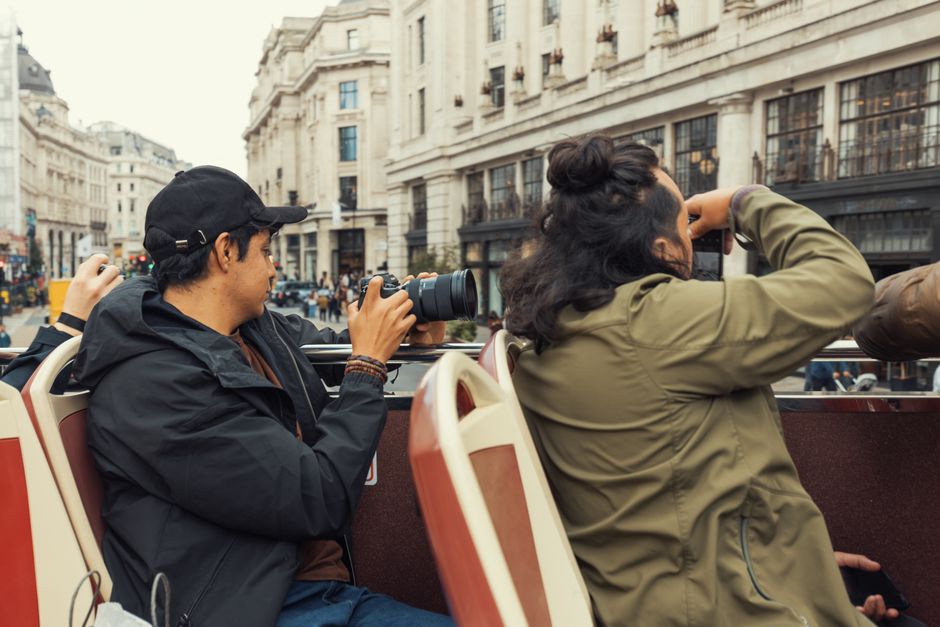
Photo by Matheus Bertelli on Pexels
A tour operator is a business that combines various travel components (like flights, accommodation, transfers, activities) into a single "package holiday" and sells it to customers, either directly or through travel agents. They typically buy these components in large quantities, allowing them to negotiate better prices and create unique offerings.
Key characteristics:
* Product Creators: They design and assemble holiday packages.
* Bulk Buyers: Purchase flights, hotel rooms, and other services in large volumes.
* Risk Takers: They commit to buying services in advance, taking on the risk if packages don't sell.
* Direct or Indirect Sales: Can sell directly to the public or via travel agents.
* Examples: TUI, Jet2holidays.
Travel Agents

Photo by 112 Uttar Pradesh on Pexels
A travel agent is a person or business that sells travel products and services on behalf of suppliers (like tour operators, airlines, hotels) to customers. They act as an intermediary, providing advice, booking services, and sometimes offering financial protection.
Key characteristics:
* Intermediaries/Retailers: They sell products created by others.
* Customer-Facing: Provide advice and assistance to travellers.
* Commission-Based: Often earn commission from suppliers for bookings made.
* Lower Risk: Don't usually own the travel components, so carry less financial risk.
* Examples: Local high street travel agencies, online travel agencies (OTAs) like Expedia.
The Relationship Between Them

Photo by Jessika Arraes on Pexels
Often, tour operators and travel agents work closely. Tour operators provide the products, and travel agents help distribute them to a wider audience. This partnership benefits both: operators get more sales, and agents have a diverse range of products to offer customers.
graph LR
    SupplierA["Airline A"] --> TourOperator["Tour Operator (e.g., TUI)"];
    SupplierB["Hotel B"] --> TourOperator;
    SupplierC["Transfer Company C"] --> TourOperator;

    TourOperator --> HolidayPackage["Package Holiday"];

    HolidayPackage --> TravelAgent["Travel Agent (e.g., Local Agency)"];
    HolidayPackage --> Customer["Customer (Direct Booking)"];

    TravelAgent --> Customer;

    subgraph "Product Creation"
        SupplierA
        SupplierB
        SupplierC
        TourOperator
    end

    subgraph "Product Distribution & Sales"
        HolidayPackage
        TravelAgent
        Customer
    end
Types of Tour Operators:

Photo by Keegan Checks on Pexels
- Inbound Tour Operators: Specialise in bringing tourists into a specific country or region.
- Outbound Tour Operators: Specialise in sending tourists from one country to another.
- Domestic Tour Operators: Focus on holidays within a customer's home country.
Types of Travel Agents:
- Retail Travel Agents: Traditional high-street shops.
- Online Travel Agents (OTAs): Websites where customers can book travel (e.g., Booking.com, Skyscanner).
- Business Travel Agents: Specialise in corporate travel arrangements.
- Call Centre Travel Agents: Agents working over the phone.
3. Worked Example
Imagine a customer, Sarah, wants to book a 7-day all-inclusive holiday to Spain.
-
Tour Operator's Role: A tour operator like "SunSeeker Holidays" negotiates bulk rates for flights with an airline, secures blocks of rooms at a hotel in Costa del Sol, and arranges airport transfers with a local company. They then combine these into a "7-Day Costa del Sol All-Inclusive" package, pricing it to cover their costs and make a profit. They advertise this package.
-
Travel Agent's Role: Sarah visits her local "Global Travel Agency." The agent listens to Sarah's preferences (destination, budget, dates) and searches their booking systems. They find the "7-Day Costa del Sol All-Inclusive" package from SunSeeker Holidays, along with similar packages from other operators. The agent advises Sarah, answers her questions, processes the booking, and takes payment. For this booking, Global Travel Agency earns a commission from SunSeeker Holidays.
4. Key Takeaways
- Tour operators create and assemble holiday packages by combining different travel components.
- Travel agents sell these packages (and individual components) to the public on behalf of suppliers.
- Operators buy in bulk, taking on more financial risk than agents.
- Agents act as intermediaries, providing advice and convenience to customers.
- The relationship is often symbiotic, with operators providing products and agents facilitating sales.
- Understanding their distinct roles helps clarify the structure of the travel industry.
- Technological advancements have led to the rise of Online Travel Agents (OTAs) and direct sales by tour operators.
Common mistakes you should avoid:
* Confusing the roles – remember operators create, agents sell.
* Assuming all travel agents are physical shops; many are online.
* Thinking tour operators only sell through agents; many sell directly too.
* Underestimating the financial risk tour operators undertake.
5. Now Try It
For 15 minutes, research a well-known tour operator (e.g., TUI, Jet2holidays) and a well-known online travel agent (e.g., Expedia, Booking.com). List three specific services or products each company primarily offers. Then, describe a scenario where a customer might choose to book with the tour operator directly versus booking the same type of holiday through the online travel agent, explaining the potential reasons for each choice. What does success look like? You've clearly identified distinct offerings and explained customer decision-making based on the roles of operators vs. agents.
Frequently asked about Tour Operators and Travel Agents
Study this next
Get the full Travel and Tourism 0471 curriculum
Clone the complete plan to your dashboard for unlimited AI-generated notes, practice quizzes, and a personalised revision schedule.
Save this course free