Impacts of Travel and Tourism
From the Travel and Tourism 0471 curriculum
TL;DR
Travel and tourism significantly impact destinations in economic, socio-cultural, and environmental ways, which can be both positive and negative. Understanding these effects helps manage tourism sustainably. Sustainable tourism aims to maximize positive impacts while minimizing the negative ones.
1. The Mental Model
Think of tourism like a wave hitting a beach: it brings resources and excitement but can also erode the sand and disturb wildlife. It's about balancing the good things tourism brings with the potential harm it can cause.
2. The Core Material
When we talk about the impacts of travel and tourism, we typically break them down into three main categories: economic, socio-cultural, and environmental. Each category has both positive and negative aspects.
Economic Impacts

Photo by https://kaboompics.com/ on Pexels
These are all about money and jobs.
* Positive: Tourism brings in foreign currency, creates jobs (directly in hotels, indirectly in food suppliers), stimulates local businesses, and can fund infrastructure development (roads, airports). It also generates tax revenue for governments.
* Negative: Over-reliance on tourism can make an economy vulnerable to global events (like pandemics or recessions). It can lead to inflation (locals can't afford things), seasonal employment leaving people jobless off-peak, and "leakage" where money spent by tourists leaves the destination (e.g., multinational hotel chains).
Socio-Cultural Impacts

Photo by Ramon Karolan on Pexels
These relate to people, culture, and community.
* Positive: Tourism can help preserve local traditions and heritage by providing funds and interest. It can foster cultural exchange and understanding between visitors and locals. It might also improve local amenities like healthcare or education that benefit residents.
* Negative: It can lead to the "commodification" of culture (turning traditions into tourist attractions), loss of authenticity, or cultural clashes. Overcrowding can stress local communities, and an increase in crime rates or traffic might occur.
Environmental Impacts

Photo by Lucien Wanda on Pexels
These concern the natural world.
* Positive: Revenue from tourism can fund conservation efforts, protect natural areas, and raise environmental awareness. Ecotourism, for example, focuses specifically on sustainable interaction with nature.
* Negative: Tourism can lead to habitat destruction (building resorts), pollution (waste, noise, air emissions from transport), overuse of natural resources (water, energy), and increased pressure on ecosystems. It can also disrupt wildlife.
Understanding the interplay of these impacts is crucial for developing sustainable tourism, which is about meeting the needs of present tourists and host regions while protecting and enhancing opportunities for the future.
graph LR
    A["Tourism Activity"] --> B["Economic Impacts"]
    A --> C["Socio-Cultural Impacts"]
    A --> D["Environmental Impacts"]

    B --> B1["+ Job Creation"]
    B --> B2["+ Foreign Exchange"]
    B --> B3["- Inflation"]
    B --> B4["- Leakage"]

    C --> C1["+ Cultural Preservation"]
    C --> C2["+ Cultural Exchange"]
    C --> C3["- Commodification of Culture"]
    C --> C4["- Overcrowding"]

    D --> D1["+ Conservation Funding"]
    D --> D2["+ Environmental Awareness"]
    D --> D3["- Habitat Destruction"]
    D --> D4["- Pollution"]

    B1 & B2 & C1 & C2 & D1 & D2 --> E["Positive Impacts"]
    B3 & B4 & C3 & C4 & D3 & D4 --> F["Negative Impacts"]

    E & F --> G["Overall Impact Assessment"]
    G --> H["Sustainable Tourism Strategies"]
Sustainable Tourism
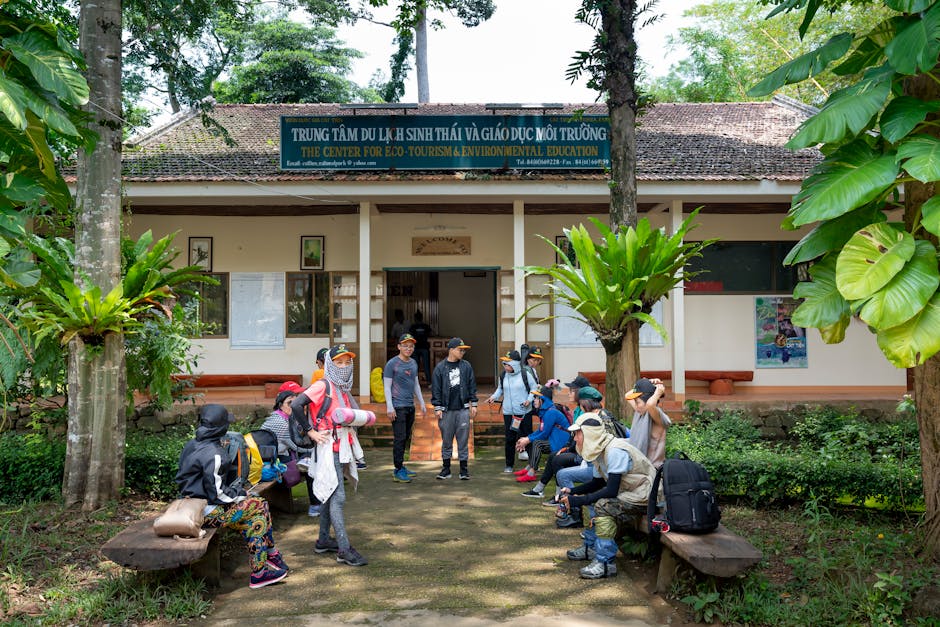
Photo by Quang Nguyen Vinh on Pexels
Sustainable tourism tries to maximize the positive impacts and minimize the negative ones across all three categories. This involves careful planning, community involvement, and responsible tourist behavior.
3. Worked Example
Imagine a small coastal village that relies heavily on fishing. A new eco-resort opens nearby, promoting whale watching and local craft markets.
- Positive Economic: The resort creates jobs for locals as guides, chefs, and cleaners. Fishermen can now offer whale-watching tours, diversifying their income. Local artisans sell more crafts. Tax revenue increases, allowing the village to improve its school.
- Negative Economic: Land prices around the resort rise, making it harder for locals to afford housing. Some traditional fishing spots are restricted for whale watching, impacting old livelihoods.
- Positive Socio-Cultural: The resort's interest in local culture leads to a revival of traditional music and dance for tourist performances. Villagers meet people from different countries, broadening their perspectives.
- Negative Socio-Cultural: Some villagers feel their culture is being "performed" rather than genuinely lived. Increased tourist numbers lead to more traffic and noise, disturbing the peaceful village life.
- Positive Environmental: The resort funds a local marine conservation program to protect whales and coral reefs, educating tourists and locals about environmental protection.
- Negative Environmental: More boats for whale watching increase noise pollution in the marine environment. Increased demand for water and electricity for the resort strains local resources.
4. Key Takeaways
- Tourism impacts are categorized into economic, socio-cultural, and environmental, each with positive and negative aspects.
- Economic positives include job creation, foreign currency, and infrastructure development, but negatives include leakage and inflation.
- Socio-cultural positives involve cultural preservation and exchange, while negatives include commodification and overcrowding.
- Environmental positives are conservation funding and awareness, but negatives include pollution and habitat destruction.
- Sustainable tourism aims to balance these impacts, enhancing the positive while mitigating the negative.
-
The scale and type of tourism activity significantly influence the nature and severity of its impacts.
-
Avoid focusing only on the positive impacts; remember to consider the downsides.
- Don't confuse "leakage" with just any money spent by tourists; it specifically means money leaving the local economy.
- Don't assume all environmental impacts are negative; tourism can fund conservation.
- Avoid generic statements; try to be specific about how an impact occurs.
5. Now Try It
Choose a well-known tourist destination (e.g., Venice, Machu Picchu, a safari park in Kenya). Spend 15 minutes researching its specific economic, socio-cultural, and environmental impacts. Then, list two specific positive and two specific negative impacts for each of the three categories. What sustainable tourism strategies are being used or could be used there?
Frequently asked about Impacts of Travel and Tourism
Study this next
Get the full Travel and Tourism 0471 curriculum
Clone the complete plan to your dashboard for unlimited AI-generated notes, practice quizzes, and a personalised revision schedule.
Save this course free