Vacuoles and Chloroplasts: Storage and Photosynthesis
From the AP Biology curriculum
TL;DR
Vacuoles are membrane-bound sacs for storage and waste, especially large in plant cells for turgor pressure. Chloroplasts are organelles in plant and algal cells responsible for photosynthesis, converting light energy into chemical energy (sugars). Both are crucial for cell survival and function, with chloroplasts enabling life on Earth.
1. The Mental Model
Think of vacuoles as the cell's all-purpose storage locker and waste disposal system, while chloroplasts are like tiny solar-powered sugar factories found only in plants and algae.
2. The Core Material
Vacuoles: The Cell's Storage & More
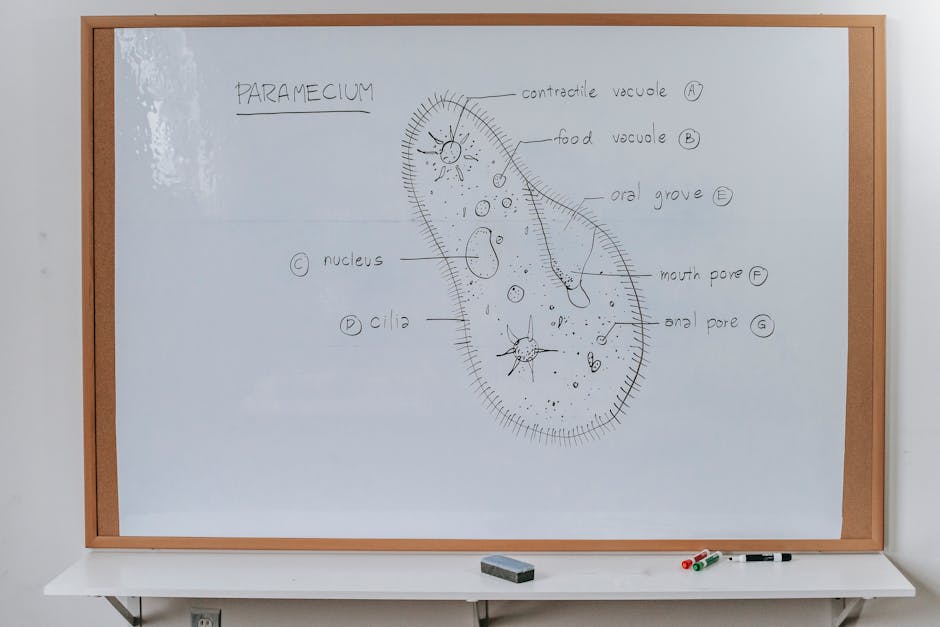
Photo by Katerina Holmes on Pexels
Vacuoles are organelles that are essentially membrane-bound sacs. Their functions vary greatly depending on the type of cell, but in general, they're involved in storage, waste removal, and maintaining cell shape.
-
Plant Cells: These usually have one large central vacuole that can take up to 80% or more of the cell volume. This central vacuole has several critical roles:
- Storage: Stores water, nutrients, ions, pigments (giving flowers their color!), and even waste products that would be harmful if they accumulated in the cytoplasm.
- Turgor Pressure: When the vacuole is full of water, it pushes against the cell wall, creating turgor pressure. This is what makes plants firm and helps them stand upright. Without enough water, turgor pressure drops, and the plant wilts.
- Hydrolytic Functions: Similar to lysosomes in animal cells, vacuoles can contain hydrolytic enzymes to break down waste or old organelles.
- Cell Growth: By absorbing water, the vacuole can help the cell grow larger without needing to produce a lot more cytoplasm.
-
Animal Cells: Animal cells typically have small, temporary vacuoles, or sometimes none at all. Their functions are more varied:
- Storage: Can store water, ions, or waste.
- Transport: May be involved in transporting substances.
- Waste Removal: Some small vacuoles act in waste removal.
-
Protists: Some protists have specialized vacuoles:
- Contractile Vacuoles: Pump excess water out of the cell, essential for freshwater protists to prevent bursting due to osmosis.
- Food Vacuoles: Formed by phagocytosis to engulf food particles, which are then digested.
Chloroplasts: The Photosynthesis Powerhouses
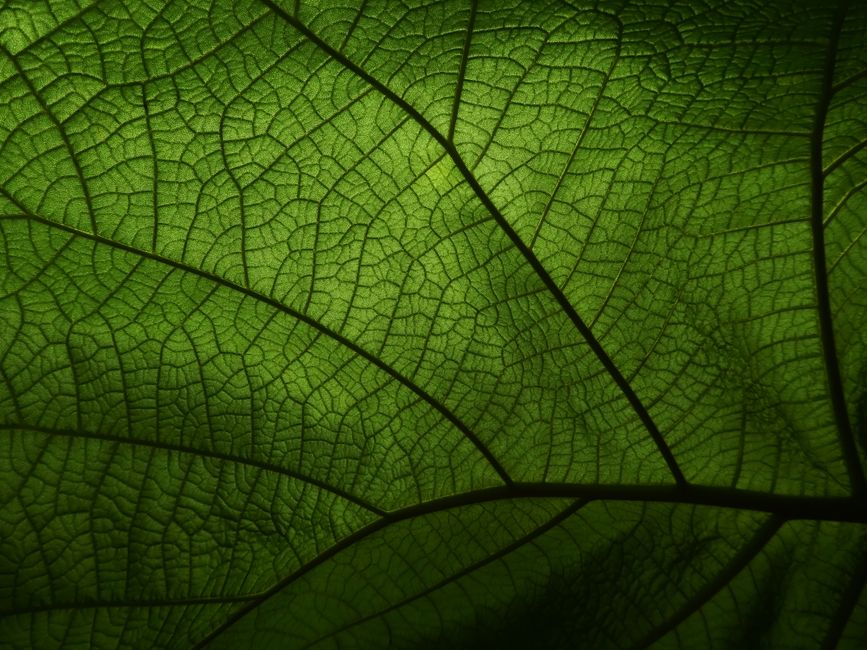
Photo by ClickerHappy on Pexels
Chloroplasts are the primary sites of photosynthesis in plant and algal cells. They are a type of plastid, containing the green pigment chlorophyll.
-
Structure: Chloroplasts have a double membrane (inner and outer). Inside, there's a dense fluid called the stroma, which contains enzymes, ribosomes, and chloroplast DNA. Suspended in the stroma are flattened, sac-like structures called thylakoids. Thylakoids are often stacked into structures called grana (singular: granum). Chlorophyll is embedded in the thylakoid membranes.
-
Photosynthesis: This process converts light energy into chemical energy (glucose). It occurs in two main stages:
- Light-Dependent Reactions: Occur in the thylakoid membranes. Chlorophyll absorbs light energy, which excites electrons. This energy is used to split water (photolysis), releasing oxygen as a byproduct, and to produce ATP (energy carrier) and NADPH (electron carrier).
- Light-Independent Reactions (Calvin Cycle): Occur in the stroma. ATP and NADPH from the light reactions are used to fix carbon dioxide from the atmosphere, ultimately synthesizing glucose.
graph TD
    A["Sunlight"] --> B["Thylakoid Membranes"]
    C["Water (H2O)"] --> B
    B -- "Light-Dependent Reactions" --> D["ATP"]
    B --> E["NADPH"]
    B --> F["Oxygen (O2)"]
    G["Carbon Dioxide (CO2)"] --> H["Stroma"]
    D --> H
    E --> H
    H -- "Calvin Cycle" --> I["Glucose (Sugar)"]
    I --> J["Cellular Energy / Growth"]
    F --> K["Released to Atmosphere"]
3. Worked Example
Imagine a plant cell absorbing water. The water primarily enters the large central vacuole through osmosis. As the vacuole fills, it expands and pushes against the cytoplasm and then the rigid cell wall. This outward pressure, known as turgor pressure, stiffens the cell. This is why a well-watered plant stands upright and firm; its cells are turgid. If the plant doesn't get enough water, the central vacuole loses water, its volume decreases, and it no longer pushes against the cell wall with sufficient force. This loss of turgor pressure causes the cell to become flaccid, and the plant wilts.
4. Key Takeaways
- Vacuoles are versatile organelles for storage, waste disposal, and maintaining cell shape, especially important in plant cells.
- The large central vacuole in plants creates turgor pressure, essential for structural support and preventing wilting.
- Chloroplasts are the sites of photosynthesis, converting light energy into chemical energy (glucose).
- Photosynthesis occurs in two stages: light-dependent reactions in the thylakoids and the Calvin cycle in the stroma.
- Chlorophyll, found in thylakoid membranes, is the pigment that captures light energy for photosynthesis.
- Both vacuoles and chloroplasts are membrane-bound organelles with distinct internal structures supporting their functions.
Common Mistakes to Avoid:
- Don't confuse the roles: vacuoles store water and waste; chloroplasts make sugar.
- Remember chloroplasts are in plants/algae, not animal cells.
- Don't mix up the locations of photosynthesis stages: light reactions in thylakoids, Calvin cycle in stroma.
- Forgetting that oxygen is a byproduct of the light-dependent reactions, not used in photosynthesis.
- Thinking all vacuoles are large like in plants; animal cell vacuoles are generally smaller and more varied.
5. Now Try It
Sketch a plant cell and an animal cell, labeling their vacuoles (if present) and chloroplasts (if present). For each labeled organelle, briefly describe its primary function in that specific cell type and explain how its structure supports that function. You'll know you've got it when you can clearly articulate why a plant cell needs a large central vacuole and chloroplasts, and why an animal cell typically doesn't.
Frequently asked about Vacuoles and Chloroplasts: Storage and Photosynthesis
More from AP Biology
Get the full AP Biology curriculum
Clone the complete plan to your dashboard for unlimited AI-generated notes, practice quizzes, and a personalised revision schedule.
Save this course free