Golgi Complex: Modification and Packaging
From the AP Biology curriculum
TL;DR
The Golgi complex, or Golgi apparatus, is like a cell's post office, receiving, modifying, and sorting proteins and lipids made in the ER. It processes these molecules through its distinct sacs called cisternae, adding carbohydrates or phosphates. Finally, the Golgi packages these finished products into vesicles for transport to their specific destinations inside or outside the cell.
1. The Mental Model
Think of the Golgi complex as a series of assembly lines and sorting stations. Proteins and lipids arrive from the ER, get tweaked and improved, and then are packaged up for delivery to the right place.
2. The Core Material
The Golgi complex is a crucial organelle in eukaryotic cells, essential for the final processing and distribution of many cellular products. It's made of flattened membrane-bound sacs called cisternae, which are organized into three main regions: the cis-Golgi, medial-Golgi, and trans-Golgi.
a. Receiving and Processing

Photo by Artem Podrez on Pexels
Proteins and lipids synthesized in the endoplasmic reticulum (ER) arrive at the cis-Golgi face, which is usually closest to the ER. These molecules are transported via transport vesicles that bud off the ER and fuse with the cis-Golgi.
Once inside the Golgi, these molecules move through the different cisternae (from cis to medial to trans). As they travel, they undergo various modifications:
- Glycosylation: Carbohydrate chains, often started in the ER, are further modified or new ones are added. This is crucial for cell recognition and signaling.
- Phosphorylation: Phosphate groups might be added to certain molecules, acting as a "tag" for specific destinations.
- Cleavage: Some proteins might be cut into smaller, active pieces.
b. Sorting and Packaging
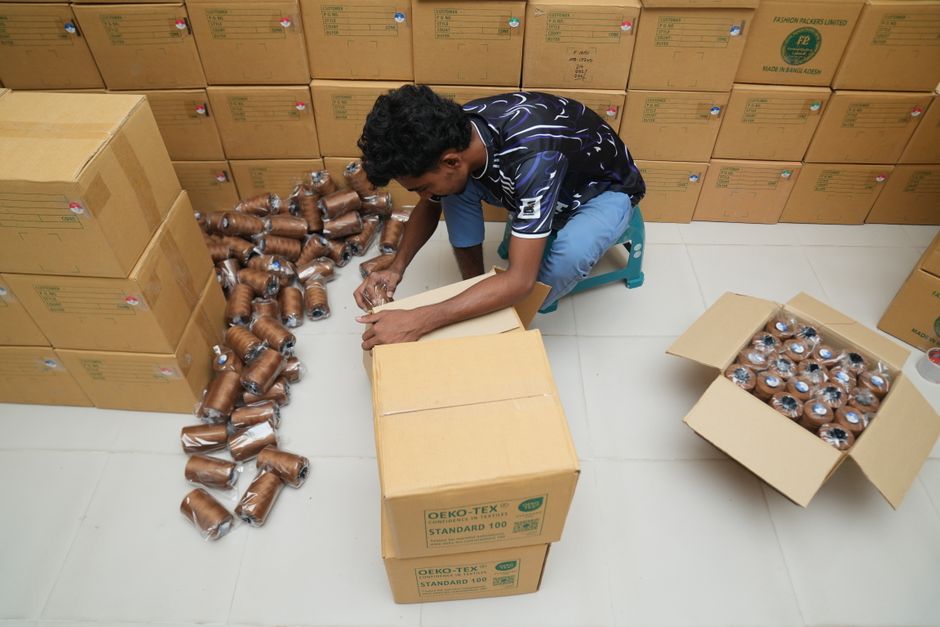
Photo by Galib Rahman Nadim on Pexels
After modification, the molecules reach the trans-Golgi network (TGN), the "shipping" side of the Golgi. Here, the finished products are sorted based on their final destination. This sorting often involves specific signal sequences on the molecules or receptors on the Golgi membrane.
Once sorted, these molecules are then packaged into new secretory vesicles that bud off from the TGN. These vesicles act like delivery trucks, transporting their cargo to various locations:
- Lysosomes: For digestive enzymes.
- Plasma membrane: For proteins embedded in the cell surface or for molecules to be released outside the cell (secretion).
- Other organelles: Specific proteins destined for other parts of the cell.
graph TD
    ER["Endoplasmic Reticulum (Protein/Lipid Synthesis)"] --> Vesicles1["Transport Vesicles (ER to Golgi)"];
    Vesicles1 --> CisGolgi["Cis-Golgi (Receiving & Initial Mod.)"];
    CisGolgi --> MedialGolgi["Medial-Golgi (Further Modification)"];
    MedialGolgi --> TransGolgi["Trans-Golgi (Sorting & Packaging)"];
    TransGolgi --> Vesicles2["Secretory Vesicles (Golgi to Destination)"];
    Vesicles2 --> Lysosomes["Destination: Lysosomes"];
    Vesicles2 --> PlasmaMembrane["Destination: Plasma Membrane (Surface/Secretion)"];
    Vesicles2 --> OtherOrganelles["Destination: Other Organelles"];
3. Worked Example
Imagine insulin, a protein hormone. It's synthesized as a precursor protein in the ER. It then travels to the Golgi complex. In the Golgi, it undergoes glycosylation (adding sugar chains) and is cleaved into its active form. Once modified and correctly folded, the Golgi packages the active insulin into vesicles that then travel to the plasma membrane, where they fuse, releasing insulin outside the cell to regulate blood sugar. Without the Golgi, insulin wouldn't be properly processed or released.
4. Key Takeaways
- The Golgi complex acts as a processing and packaging center for proteins and lipids.
- It consists of three main regions: cis, medial, and trans cisternae, each with specific functions.
- Major modifications include glycosylation (adding sugars) and phosphorylation (adding phosphates).
- The trans-Golgi network sorts molecules into specific vesicles for targeted delivery.
- Secretory vesicles transport finished products to lysosomes, the plasma membrane, or other organelles.
Common mistakes you should avoid:
- Confusing the Golgi's role with the ER's primary function of synthesis; the Golgi modifies and packages after synthesis.
- Thinking all molecules move through the Golgi in the same way; sorting is specific and based on molecular tags.
- Forgetting that the Golgi is a dynamic organelle, constantly receiving vesicles and budding off new ones.
- Underestimating the importance of glycosylation; it's vital for cell recognition and function.
5. Now Try It
Draw a simple diagram of a cell, highlighting the ER and Golgi complex. Trace the path of a protein destined for secretion out of the cell, indicating where major modifications might occur and how it eventually leaves the cell. Label the different regions of the Golgi (cis, medial, trans) and where vesicles form. What would happen to this protein if the Golgi complex were non-functional? What would success look like? Your diagram would clearly show the protein moving from the ER to the cis-Golgi, through the medial and trans-Golgi, and then being packaged into a vesicle that fuses with the plasma membrane to release its contents.
Frequently asked about Golgi Complex: Modification and Packaging
More from AP Biology
Get the full AP Biology curriculum
Clone the complete plan to your dashboard for unlimited AI-generated notes, practice quizzes, and a personalised revision schedule.
Save this course free