Act 2: The Murder
From the Shakespeare's Macbeth: Themes & Analysis curriculum
TL;DR
Act 2 focuses on Macbeth's struggle with conscience before and after killing King Duncan, immediately changing him. Lady Macbeth is strong initially but cracks under the pressure. The murder sets off a chain of events that unravels the Macbeths' lives.
1. The Mental Model
Think of Act 2 as the point of no return for Macbeth. Before the murder, he's tormented but can still choose; after, his fate is sealed, and his true descent into tyranny begins. This act shows the immediate, devastating psychological impact of his heinous act.
2. The Core Material
Act 2 is incredibly intense, focusing on the actual carrying out of Duncan's murder and its immediate aftermath.
Macbeth's Vision and Resolve

Photo by Ann H on Pexels
Before the murder, Macbeth experiences a terrifying hallucination: a dagger floating in the air, its handle towards him, then dripping with blood. This isn't real, but a manifestation of his guilt and the bloody deed he's about to commit. This vision both beckons and horrifies him, showing his inner conflict but also his grim determination to proceed. He tries to grasp it, but it’s just air, foreshadowing the elusive nature of the power he seeks.
The Murder Itself (Offstage)
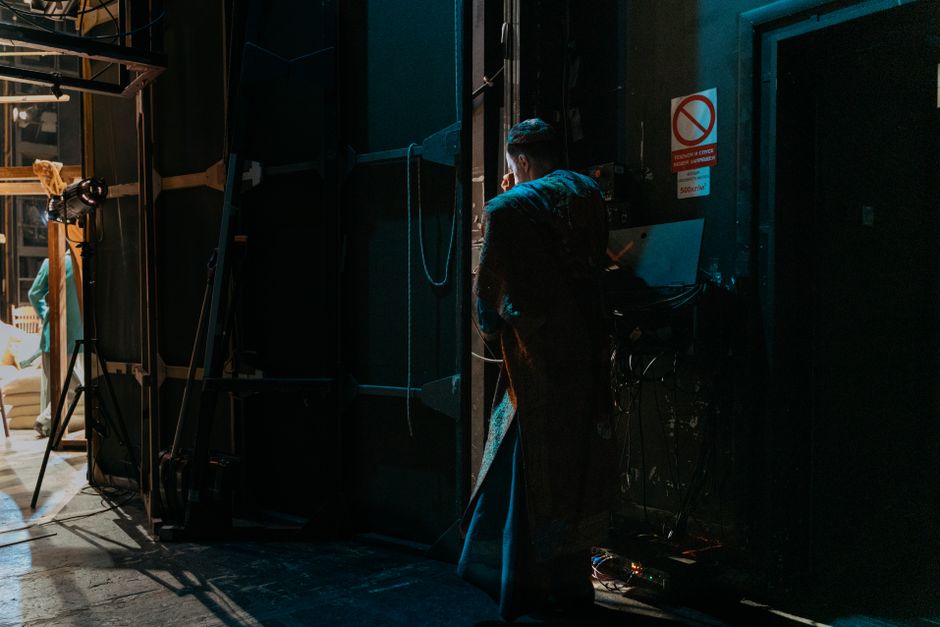
Photo by Elena Yunina on Pexels
The murder happens offstage, which is a powerful choice by Shakespeare. It leaves the horror to your imagination, making it even more chilling. We only hear the sounds and experience Macbeth's reaction. Lady Macbeth has drugged Duncan's guards, leaving their daggers ready for Macbeth.
Immediate Aftermath and Guilt

Photo by RDNE Stock project on Pexels
Once the deed is done, Macbeth is immediately consumed by guilt and terror. He hears voices ("Sleep no more!") and can't say "Amen." He mistakenly brings the bloody daggers back with him, a crucial error.
Lady Macbeth, initially the stronger one, chastises him for his weakness and takes the daggers back to frame the guards. She smears them with blood. Despite her bravado, she admits she couldn't kill Duncan herself because he resembled her father. This tiny crack reveals her underlying humanity.
Discovery and Reaction

Photo by cottonbro studio on Pexels
The murder is discovered by Macduff and Lennox. The immediate reactions of the characters are crucial:
* Macbeth: Feigns shock and grief, even killing the innocent guards (claiming rage) to silence them and cover his tracks.
* Lady Macbeth: Faints (possibly genuinely, possibly to distract).
* Malcolm and Donalbain: Duncan's sons, fearing for their own lives, flee – Malcolm to England, Donalbain to Ireland. This makes them look suspicious, playing right into Macbeth's hands as he is then named king.
This sequence of events rapidly escalates, showing how the murder's consequences ripple outward, destroying peace and trust.
graph TD
    A["Macbeth's internal struggle (Dagger speech)"] --> B["Lady Macbeth signals murder is ready"]
    B --> C["Macbeth murders Duncan (offstage)"]
    C --> D["Macbeth's immediate, intense guilt"]
    D --> E["Lady Macbeth's attempts to control & frame"]
    E --> F["Discovery of Duncan's body"]
    F --> G["Macbeth kills guards, feigns grief"]
    G --> H["Malcolm & Donalbain flee"]
    H --> I["Macbeth named King"]
3. Worked Example
Consider Macbeth's lines immediately after the murder, when Lady Macbeth re-enters:
Macbeth: "I have done the deed. Didst thou not hear a noise?"
Lady Macbeth: "I heard the owl scream and the crickets cry. Did not you speak?"
Macbeth: "When? As I descended?"
Lady Macbeth: "Ay."
Macbeth: "Hark! Who lies i' the second chamber?"
Lady Macbeth: "Donalbain."
Macbeth: "This is a sorry sight." (Looking at his bloody hands)
Lady Macbeth: "A foolish thought, to say a sorry sight."
This brief exchange shows Macbeth's instant paranoia ("Didst thou not hear a noise?"), his deep regret ("This is a sorry sight"), and Lady Macbeth's immediate dismissiveness and attempt to regain control ("A foolish thought..."). He is already breaking down, while she is still attempting to be strong.
4. Key Takeaways
- Macbeth's hallucination of the dagger highlights his profound psychological torment before the murder.
- The murder happens offstage, amplifying its horror through what isn't shown.
- Macbeth is instantly consumed by guilt, regret, and paranoia after killing Duncan.
- Lady Macbeth, initially strong, takes charge but also shows a moment of weakness regarding Duncan's resemblance to her father.
- Macbeth's error in bringing the daggers back underscores his disarray.
- The murder's discovery leads to feigned grief, the killing of the guards, and the flight of Duncan's sons, all benefiting Macbeth.
- Act 2 firmly establishes Macbeth's irreversible descent into tyranny and mental decay.
5. Now Try It
Read through Act 2, Scene 2 again (the scene immediately after Macbeth kills Duncan). Pay close attention to Macbeth's specific lines and actions. Identify at least three distinct pieces of evidence that show his immediate psychological breakdown and compare them to Lady Macbeth's reactions in the same scene. What does this contrast tell you about their characters at this pivotal moment?
Frequently asked about Act 2: The Murder
Study this next
Get the full Shakespeare's Macbeth: Themes & Analysis curriculum
Clone the complete plan to your dashboard for unlimited AI-generated notes, practice quizzes, and a personalised revision schedule.
Create Free Account