Understanding Business Activity
From the Business AS level CIE curriculum
TL;DR
Understanding business activity means grasping why businesses exist, what they do, and how they contribute to satisfying human needs and wants. Businesses transform resources into goods and services, aiming to add value and make a profit. This forms the foundation for all further business studies.
1. The Mental Model
Think of businesses as problem-solvers. They identify what people need or want, then figure out how to provide it using available resources. Their success hinges on doing this efficiently and effectively, creating value for customers while ensuring they can continue operating.
2. The Core Material
At its heart, business activity is about meeting human needs and wants. We all have needs (like food, shelter, clothing) and wants (like a new phone, a holiday, a designer bag). Businesses step in to provide the goods and services that satisfy these.
Needs vs. Wants

Photo by Brett Jordan on Pexels
- Needs: Essentials for survival. Without them, you'd struggle.
- Wants: Desires that improve your quality of life but aren't essential for survival.
The Problem of Scarcity

Photo by Stephanie Douglas on Pexels
Resources like land, labour, capital, and enterprise are scarce, meaning there isn't enough to satisfy everyone's infinite wants. This scarcity forces choices. Businesses must decide what to produce, how to produce it, and for whom. This is the basic economic problem.
Factors of Production

Photo by Qamar Rehman on Pexels
These are the resources businesses use to produce goods and services:
1. Land: Natural resources (e.g., raw materials, actual land for factories).
2. Labour: Human effort and skills used in production.
3. Capital: Man-made resources used in production (e.g., machinery, buildings, tools).
4. Enterprise: The skill and risk-taking ability of the entrepreneur who brings the other factors together.
The reward for each factor is:
* Land → Rent
* Labour → Wages
* Capital → Interest
* Enterprise → Profit
Specialisation and Division of Labour
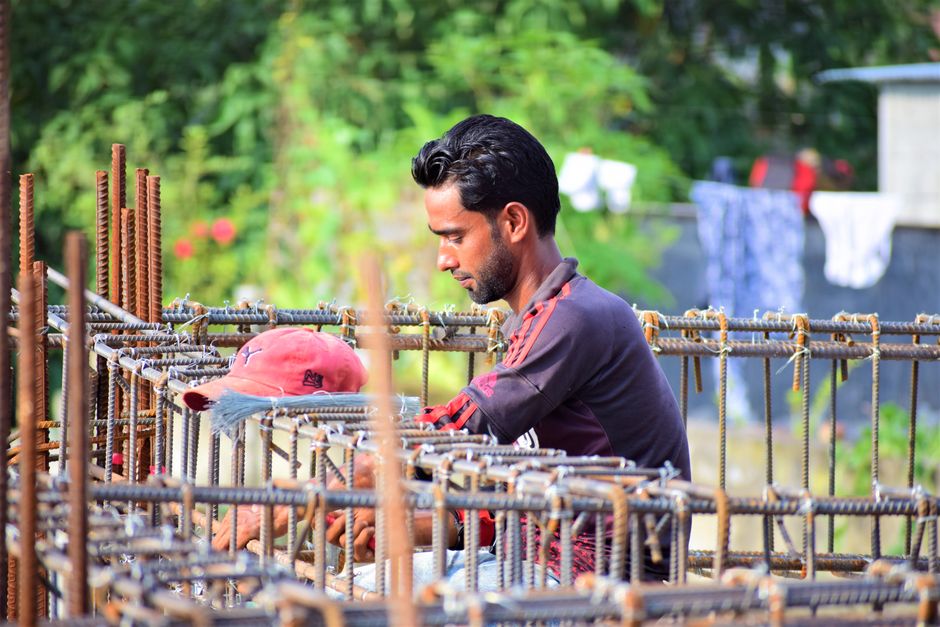
Photo by Saied Shohag on Pexels
To overcome scarcity and increase efficiency, businesses often use specialisation. This is when a business or individual focuses on producing a specific good, service, or part of a product. Division of labour is a form of specialisation where the production process is broken down into separate tasks, and each worker performs just one or a few of these tasks.
Benefits:
* Increased efficiency and productivity (workers become experts).
* Higher quality products.
* Lower production costs.
Drawbacks:
* Repetitive work can be boring, leading to demotivation.
* Interdependence: if one part of the chain breaks down, the whole process stops.
Adding Value
This is a crucial concept. Adding value means taking raw materials and transforming them into a product or service that customers are willing to pay more for than the cost of the raw materials. It's the difference between the selling price of a product or service and the cost of the purchased inputs.
For example, flour, sugar, and eggs (low value) are baked into a cake (higher value).
graph TD
    A["Identify Needs/Wants"] --> B["Gather Factors of Production (Land, Labour, Capital, Enterprise)"]
    B --> C["Transform Resources (Production Process)"]
    C --> D["Add Value (e.g., branding, packaging, features)"]
    D --> E["Sell Goods/Services to Customers"]
    E --> F["Satisfy Needs/Wants & Generate Profit"]
Types of Economic Activity / Business Sectors
Businesses operate in different sectors depending on what they do:
- Primary Sector: Extracts or harvests natural resources (e.g., farming, mining, fishing).
- Secondary Sector: Manufactures goods from raw materials (e.g., car manufacturing, construction, textile production).
- Tertiary Sector: Provides services (e.g., banking, retail, tourism, healthcare).
In many economies, there's also a emerging Quaternary Sector, which focuses on information and knowledge-based services (e.g., IT, research and development).
3. Worked Example
Imagine a small bakery business.
- Identify Needs/Wants: People want fresh bread, cakes, and pastries for breakfast, lunch, or special occasions.
- Factors of Production:
- Land: The shop premises, ovens, and raw ingredients like flour, sugar, yeast.
- Labour: The bakers, shop assistants.
- Capital: Ovens, mixing machines, display counters, cash registers.
- Enterprise: The baker/owner who sets up the business, manages staff, and takes financial risks.
- Transformation (Adding Value): The baker takes raw ingredients (flour, water, yeast, salt – low value) and through their skill, capital (oven), and labour, transforms them into a delicious loaf of bread (much higher value). They also package it nicely, which adds more value.
- Specialisation/Division of Labour: One baker might specialise in making bread, another in cakes, while a shop assistant handles sales.
- Sector: This bakery operates primarily in the Secondary Sector (making the products) and the Tertiary Sector (selling them directly to customers).
The customer pays more for the finished bread than the cost of its raw ingredients because of the value added through the baking process, convenience, and quality. This difference is how the bakery covers its costs and hopefully makes a profit.
4. Key Takeaways
- Businesses exist to satisfy human needs and wants using scarce resources.
- The basic economic problem arises from infinite wants and finite resources.
- Factors of production are land, labour, capital, and enterprise, each with its own reward.
- Specialisation and division of labour boost efficiency and productivity.
- Adding value is the process of increasing the worth of inputs to create a product or service customers will pay more for.
- Economic activity is categorised into primary, secondary, and tertiary (and sometimes quaternary) sectors.
Common Mistakes to Avoid:
- Confusing needs with wants; remember needs are essential for survival.
- Forgetting enterprise as a factor of production, it's crucial for bringing the others together.
- Thinking that adding value only means increasing the price; it's about making something more desirable or useful.
- Not understanding that all businesses, regardless of sector, aim to add value.
5. Now Try It
Think about your favourite local coffee shop. List the specific factors of production it uses, how it demonstrates specialisation or division of labour, and how it adds value to its raw ingredients (coffee beans, milk, etc.) to produce the drinks you enjoy. What economic sector(s) does it primarily operate in?
Success looks like clearly identifying at least two examples for each concept (factors of production, specialisation, adding value) and correctly identifying the primary sector(s).
Frequently asked about Understanding Business Activity
Study this next
Get the full Business AS level CIE curriculum
Clone the complete plan to your dashboard for unlimited AI-generated notes, practice quizzes, and a personalised revision schedule.
Save this course free