Introduction to Macroeconomics and Measurement
From the Macroeconomics curriculum
TL;DR
Macroeconomics studies the big picture of an economy, focusing on nationwide issues like growth, inflation, and unemployment. We use key measurements like GDP, inflation rates, and unemployment rates to understand how the economy is performing. These measures help economists and policymakers make decisions.
1. The Mental Model
Think of macroeconomics as zooming out from individual decisions to look at the entire economic forest, not just individual trees. It's about how the whole system works and interacts, rather than specific choices made by consumers or businesses.
2. The Core Material
Macroeconomics is the branch of economics that deals with the structure, performance, behavior, and decision-making of an economy as a whole. It's concerned with aggregate economic phenomena such as:
- Gross Domestic Product (GDP): The total value of all finished goods and services produced within a country's borders in a specific period. It's the primary measure of economic output and income.
- Inflation: The rate at which the general level of prices for goods and services is rising, and consequently, the purchasing power of currency is falling.
- Unemployment: The percentage of the labor force that is jobless and actively seeking employment.
- Economic Growth: The increase in the production of economic goods and services, compared from one period to another.
- Recessions: A significant decline in economic activity spread across the economy, lasting more than a few months, normally visible in real GDP, real income, employment, industrial production, and wholesale-retail sales.
Why Macroeconomics Matters

Photo by Mike van Schoonderwalt on Pexels
Understanding these concepts helps us answer big questions like:
* What causes recessions?
* Why do prices sometimes rise rapidly (inflation)?
* How can governments influence the economy?
Key Macroeconomic Measurements
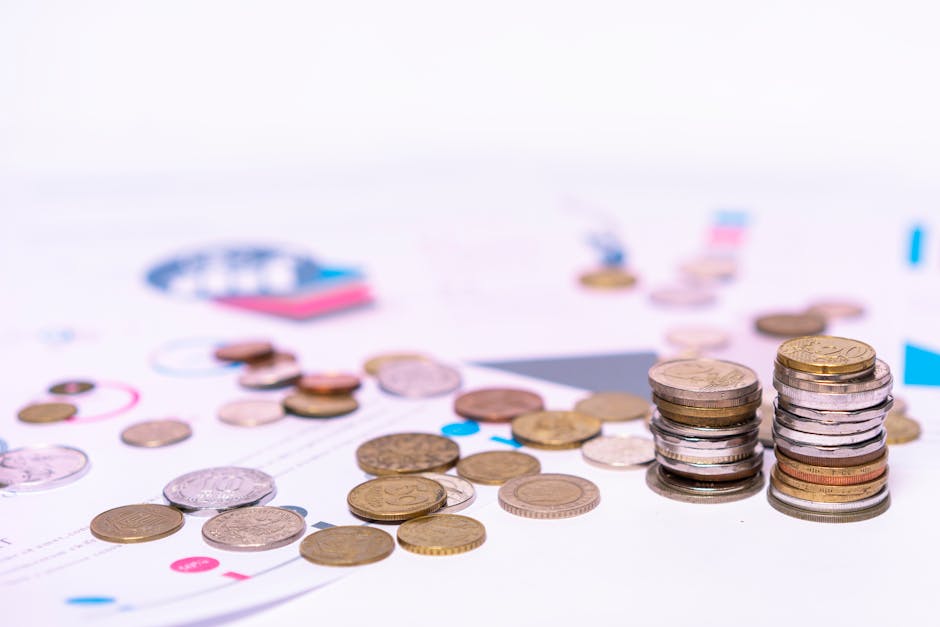
Photo by Atlantic Ambience on Pexels
Here are the main tools we use to track an economy's health:
Gross Domestic Product (GDP)
GDP measures the total value of final goods and services produced within a country's borders in a specific time period (usually a quarter or a year).
- Nominal GDP: Measured in current prices. It can increase due to more production or higher prices.
- Real GDP: Measured in constant prices (adjusted for inflation). This gives a more accurate picture of actual production changes. It's the best measure for economic growth.
There are three ways to calculate GDP:
1. Expenditure Approach: Sum of all spending in the economy:
GDP = Consumption (C) + Investment (I) + Government Spending (G) + Net Exports (NX) (where NX = Exports - Imports)
2. Income Approach: Sum of all income earned (wages, rent, interest, profit).
3. Production (or Value Added) Approach: Sum of the market value of all final goods and services produced.
Inflation Rate
Inflation is typically measured by the percentage change in a price index, most commonly the Consumer Price Index (CPI) or the GDP Deflator.
- CPI: Measures the average change over time in the prices paid by urban consumers for a market basket of consumer goods and services.
- GDP Deflator: A measure of the level of new prices of all new, domestically produced, final goods and services in an economy.
Unemployment Rate
The percentage of the labor force that is unemployed.
Unemployment Rate = (Number of Unemployed / Labor Force) * 100
- Labor Force: All those employed plus those unemployed but actively seeking work.
- Not in Labor Force: Includes retirees, students, stay-at-home parents, and those not looking for work.
graph LR
    A["Total Population"] --> B["Under 16 & Institutionalized"]
    A --> C["Working Age Population"]
    C --> D["Not in Labor Force"]
    C --> E["Labor Force"]
    E --> F["Employed"]
    E --> G["Unemployed"]
    F --> H{"Unemployment Rate Calculation"}
    G --> H
    H --" (G / E) * 100 "--> I["Unemployment Rate"]
3. Worked Example
Let's calculate GDP using the expenditure approach for a hypothetical country.
Assume the following values for one year:
* Consumption (C) = $10,000 billion
* Investment (I) = $2,500 billion
* Government Spending (G) = $3,000 billion
* Exports = $1,500 billion
* Imports = $1,000 billion
First, calculate Net Exports (NX):
NX = Exports - Imports
NX = $1,500 billion - $1,000 billion = $500 billion
Now, apply the GDP expenditure formula:
GDP = C + I + G + NX
GDP = $10,000 billion + $2,500 billion + $3,000 billion + $500 billion
GDP = $16,000 billion
So, the GDP for this country in that year is $16,000 billion.
4. Key Takeaways
- Macroeconomics studies the economy as a whole, focusing on aggregate measures and overall economic health.
- GDP measures the total value of final goods and services produced in a country, with Real GDP being adjusted for inflation to show actual growth.
- Inflation is the rate at which general price levels rise, reducing purchasing power, and is often measured by the CPI or GDP Deflator.
- The unemployment rate indicates the percentage of the labor force actively seeking but unable to find work.
- These three core measurements (GDP, inflation, unemployment) are crucial indicators of an economy's performance.
Common mistakes to avoid:
* Confusing nominal GDP with real GDP; nominal GDP includes price changes, real GDP only reflects output changes.
* Including intermediate goods in GDP calculations, which leads to double-counting.
* Thinking all unemployment is bad; some types, like frictional, are natural.
* Ignoring the "actively seeking work" part of the unemployment definition; people not looking aren't counted as unemployed.
5. Now Try It
Imagine you are an economic advisor for a small island nation. Their current economic data shows: household consumption at $500 million, business investment at $150 million, government spending at $200 million, exports at $100 million, and imports at
Frequently asked about Introduction to Macroeconomics and Measurement
Study this next
Get the full Macroeconomics curriculum
Clone the complete plan to your dashboard for unlimited AI-generated notes, practice quizzes, and a personalised revision schedule.
Create Free Account