Asphalt Concrete Mixture Performance Characterization
From the Asphalt Concrete Mix Design & Materials curriculum
TL;DR
Asphalt concrete mixture performance characterization helps us understand how a mix will behave under traffic and environmental stress. We use laboratory tests to predict properties like resistance to rutting, fatigue cracking, and moisture damage. This ensures the mix design meets required long-term pavement performance.
1. The Mental Model
Think of performance characterization like a "stress test" for a new building material. We're not just looking at its basic ingredients; we're pushing it to its limits in a controlled environment to see how it'll hold up over time and under real-world conditions.
2. The Core Material
Asphalt concrete mixes are designed to withstand various stresses throughout their service life. Performance characterization involves conducting specific laboratory tests on compacted asphalt specimens to measure their response to simulated traffic loading, temperature fluctuations, and moisture. This helps predict how the pavement will perform once constructed.
The main performance aspects we focus on are:
a. Rutting Resistance
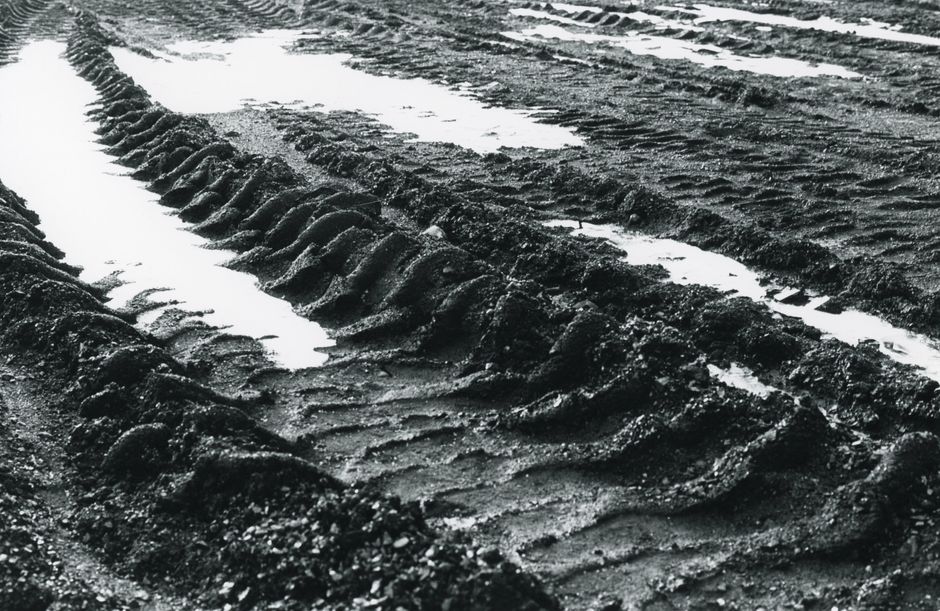
Photo by Malcolm Hill on Pexels
Rutting is the permanent deformation of the pavement surface under repeated traffic loads, creating longitudinal depressions. High temperatures and heavy loads exacerbate this.
* Test: Dynamic Modulus (E*) or Flow Number (FN).
* Dynamic Modulus measures the stiffness and viscoelastic response of the mix over a range of temperatures and loading frequencies. A higher E generally indicates better rutting resistance.
* Flow Number* directly measures the accumulation of permanent deformation under repeated axial loading at high temperatures. A higher FN means better rutting resistance.
b. Fatigue Cracking Resistance

Photo by To Tao on Pexels
Fatigue cracking (often called "alligator cracking") occurs due to repeated bending and tensile stresses from traffic, leading to interconnected cracks.
* Test: Flexural Beam Fatigue (AASHTO T 321) or Disk-shaped Compact Tension (DCT).
* Flexural Beam Fatigue subjects beam specimens to repeated flexural (bending) loads until a specified reduction in stiffness occurs. It measures the number of cycles to failure.
* DCT measures the fracture energy of the mix, indicating its resistance to crack propagation. Higher fracture energy means better cracking resistance.
c. Low-Temperature Cracking Resistance

Photo by Atlantic Ambience on Pexels
Also known as thermal cracking, this occurs when the pavement shrinks due to extreme cold, inducing tensile stresses that exceed the mix's strength.
* Test: Asphalt Mixture Performance Tester (AMPT) with Low-Temperature Creep and Strength or Thermal Stress Restrained Specimen Test (TSRST).
* These tests evaluate the mix's ability to resist cracking at low temperatures by measuring its stiffness, strength, and stress relaxation properties.
d. Moisture Damage Resistance

Photo by Gosia K on Pexels
Moisture damage (stripping) is the loss of adhesion between the asphalt binder and aggregate, or the loss of cohesion within the binder, due to the presence of water.
* Test: Tensile Strength Ratio (TSR).
* This test compares the tensile strength of moisture-conditioned specimens to dry specimens. A ratio above a certain threshold (e.g., 0.80) indicates good resistance to moisture damage.
Here's how these tests fit into the decision-making process:
graph TD
    A["Initial Mix Design (Aggregates, Binder, Gradation)"] --> B{"Compact Specimens"};
    B --> C["Performance Tests (Rutting, Cracking, Moisture)"];
    C --> D{"Analyze Results & Compare to Criteria"};
    D -- "Meets Criteria?" --> E{{"Yes: Approved Mix Design"}};
    D -- "No: Adjust Mix Design" --> F["Modify Aggregates, Binder, or Additives"];
    F --> A;
3. Worked Example
Let's say you've designed a Superpave mix and need to check its rutting resistance using the Flow Number (FN) test.
- Prepare Specimens: You compact three cylindrical asphalt specimens (100 mm diameter, 150 mm height) to 7.0 ± 0.5% air voids.
- Test Setup: Place the specimens in an Asphalt Mixture Performance Tester (AMPT) chamber, set to 54°C (typical high pavement temperature for your region).
- Loading: Apply a repeated haversine axial load (e.g., 600 kPa maximum stress, 0.1-second load duration, 0.9-second rest period).
- Data Collection: The AMPT records the permanent deformation (strain) after each load cycle.
- Analysis: Plot permanent strain versus load cycles. The Flow Number is the number of cycles at which the rate of permanent deformation significantly increases (the tertiary flow region begins).
- Result: You get FN values of 450, 480, and 470 for your three specimens. The average is 467.
- Criterion: For heavy traffic, your agency requires a minimum FN of 300.
- Conclusion: Since 467 > 300, your mix exhibits adequate rutting resistance for this traffic level.
4. Key Takeaways
- Performance characterization assesses an asphalt mix's durability and long-term behavior.
- Rutting resistance is typically evaluated with Dynamic Modulus or Flow Number tests.
- Fatigue cracking resistance is assessed using beam fatigue or DCT tests.
- Low-temperature cracking resistance is critical in cold climates and is tested via AMPT or TSRST.
- Moisture damage resistance is commonly checked using the Tensile Strength Ratio (TSR).
- These tests help predict how a mix will perform under real-world conditions before it's ever placed on a road.
Common Mistakes to Avoid:
- Don't rely solely on volumetric properties; performance tests are crucial for actual behavior.
- Ensure test temperatures and loading conditions accurately reflect expected field conditions.
- Forgetting to condition specimens (e.g., moisture conditioning for TSR) can lead to misleading results.
- Not understanding the meaning of "failure" criteria for each test (e.g., specific strain levels, number of cycles).
5. Now Try It
Imagine your agency is concerned about fatigue cracking on a new high-traffic interstate project. You need to select a binder modification that improves cracking resistance.
What to do: Research one specific laboratory test used to characterize asphalt mixture fatigue cracking resistance (e.g., Flexural Beam Fatigue or the Disk-shaped Compact Tension (DCT) test). Describe the basic principle of the test, what it measures, and how a designer would interpret the results to decide if a mix meets a performance criterion.
What success looks like: You can explain in 3-4 sentences how the chosen test works, what specific output value (e.g., cycles to failure, fracture energy) is measured, and what a higher or lower value of that output means for the mix's fatigue cracking performance (i.e., what's "good" or "bad").
Frequently asked about Asphalt Concrete Mixture Performance Characterization
Study this next
Get the full Asphalt Concrete Mix Design & Materials curriculum
Clone the complete plan to your dashboard for unlimited AI-generated notes, practice quizzes, and a personalised revision schedule.
Create Free Account