Aggregate Properties and Characterization
From the Asphalt Concrete Mix Design & Materials curriculum
TL;DR
Aggregates are the main component of asphalt concrete, and their physical and mechanical properties significantly impact the mix's performance. Understanding these properties helps you select the right aggregates for a durable and stable pavement. Proper characterization ensures the aggregates meet specific requirements for strength, shape, and durability.
1. The Mental Model
Think of aggregates as the "skeleton" of your asphalt concrete mix. Just like a building's skeleton needs to be strong, durable, and well-proportioned, so do your aggregates. Their individual characteristics dictate how well they'll lock together and withstand traffic and environmental stress.
2. The Core Material
Aggregates, which include crushed stone, gravel, and sand, make up about 80-90% of an asphalt concrete mix by weight. Their properties directly influence the mix's strength, stability, workability, and durability.
Particle Shape and Texture
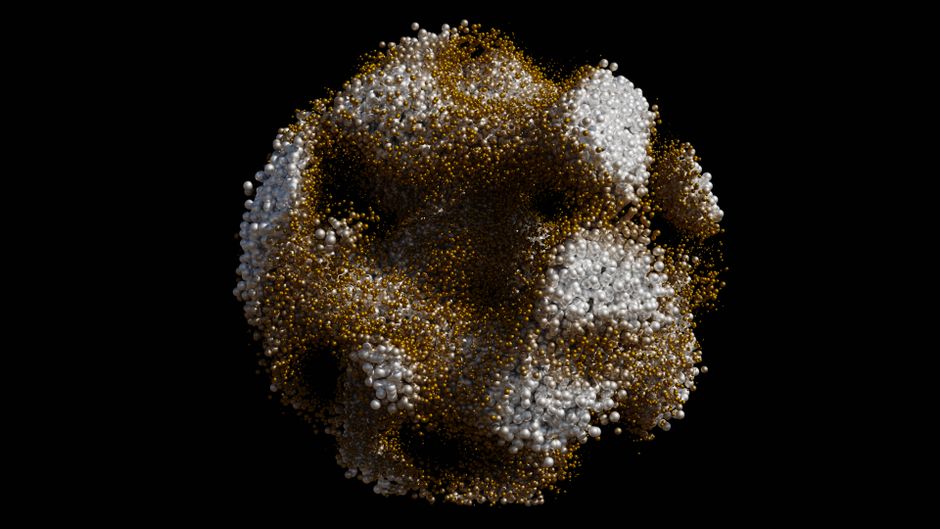
Photo by Maxim Landolfi on Pexels
The shape and surface texture of aggregates are critical for achieving good inter-particle friction and mechanical interlock within the asphalt mix.
- Angular aggregates (like crushed stone) provide better interlock and higher stability than rounded aggregates (like natural gravel). This is because their sharp edges and irregular faces allow them to "key in" more effectively.
- Rough surface texture also improves the bond with the asphalt binder, enhancing the mix's resistance to rutting and stripping.
- Common tests include Fractured Faces (percent of particles with at least one fractured face) and visual assessment for angularity and texture.
Gradation
Gradation refers to the distribution of particle sizes within an aggregate sample. A well-graded aggregate mix contains a range of particle sizes, from large coarse aggregates down to fine filler materials.
- Dense gradation: Contains a good distribution of all particle sizes, minimizing air voids and maximizing particle interlock. This is common for dense-graded asphalt mixes.
- Open gradation: Contains fewer fine particles, resulting in higher air voids. Used for porous asphalt.
- Gap gradation: Missing certain particle sizes, which can lead to lower stability or segregation issues.
- Gradation is determined by sieve analysis, where aggregate samples are passed through a series of sieves with progressively smaller openings. The results are plotted on a gradation chart.
graph TD
    A["Aggregates (Various Sizes)"] --> B["Stacked Sieves (Large to Small)"]
    B --> C["Shake Mechanically"]
    C --> D{"Material Retained on Each Sieve?"}
    D --> E["Weigh Retained Material"]
    E --> F["Calculate Percent Passing/Retained"]
    F --> G["Plot Gradation Curve"]
    G --> H["Compare to Specification Limits"]
Strength and Durability

Photo by Nic Wood on Pexels
Aggregates need to be strong enough to resist crushing under traffic loads and durable enough to withstand environmental weathering.
- Strength: Assessed through tests like the Los Angeles Abrasion (LAA) test, which measures resistance to degradation, and the Crushing Value test. High LAA values indicate weaker aggregates.
- Durability: Evaluated by tests like the Soundness test (using sodium or magnesium sulfate to simulate freeze-thaw cycles) and specific gravity (which can indicate porosity and absorption). Aggregates that break down or disintegrate easily under these tests are considered less durable.
Deleterious Materials
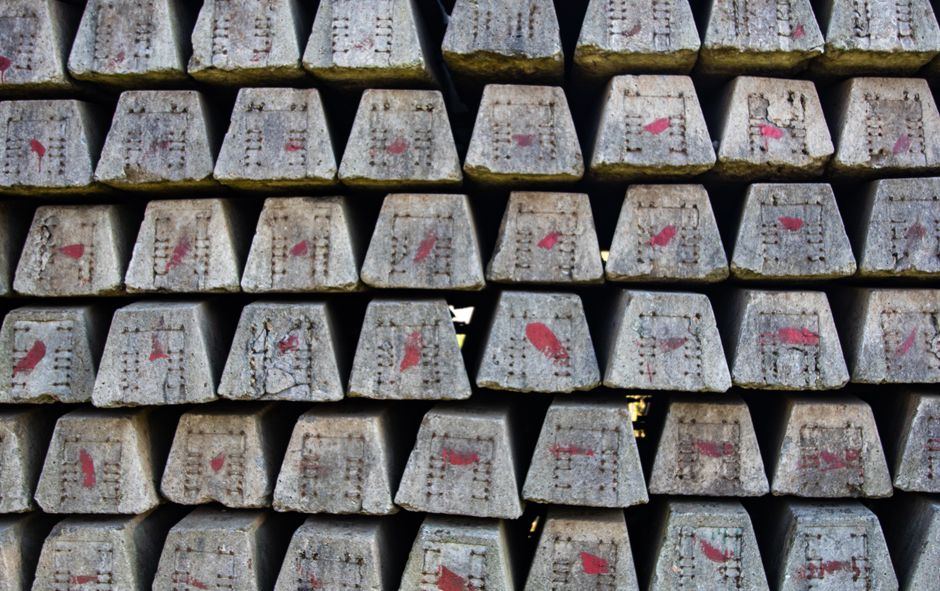
Photo by Magda Ehlers on Pexels
These are undesirable substances in the aggregate that can harm the asphalt mix's performance.
- Examples include clay lumps, shale, organic impurities, and excessive fine dust.
- They can reduce the bond between aggregate and binder, decrease strength, or lead to premature failure. Tests identify and quantify these materials to ensure they are below specified limits.
3. Worked Example
Let's say you're evaluating a coarse aggregate for a dense-graded asphalt mix.
-
Sieve Analysis: You perform a sieve analysis and find the following percentages passing (cumulative):
- 19.0 mm sieve: 100%
- 12.5 mm sieve: 85%
- 9.5 mm sieve: 60%
- 4.75 mm sieve: 30%
- 2.36 mm sieve: 15%
- 0.075 mm sieve: 3%
You plot this on a gradation chart and compare it to the project's specification limits for a typical dense-graded mix (e.g., AASHTO M 323). If your curve falls within the specified bands, the gradation is acceptable.
-
Los Angeles Abrasion (LAA): You perform an LAA test on a sample of this aggregate.
- Initial weight of aggregate: 5000 g
- Weight after abrasion test: 3800 g
- LAA Loss (%) = ((Initial weight - Weight after test) / Initial weight) * 100
- LAA Loss (%) = ((5000 g - 3800 g) / 5000 g) * 100 = (1200 g / 5000 g) * 100 = 24%
If the specification requires LAA loss to be less than 30%, your aggregate is acceptable in terms of abrasion resistance.
-
Fractured Faces: You visually inspect 100 particles from the coarse aggregate and find 92 particles have at least one fractured face.
- Percent Fractured Faces = (Number of fractured particles / Total particles) * 100
- Percent Fractured Faces = (92 / 100) * 100 = 92%
If the specification requires a minimum of 85% fractured faces for coarse aggregate in surface courses, your aggregate meets this requirement for mechanical interlock.
4. Key Takeaways
- Aggregate properties are the foundational elements for a successful asphalt concrete mix.
- Particle shape and surface texture directly influence the mix's internal friction and resistance to rutting.
- Gradation controls the packing density, void content, and workability of the asphalt mix.
- Strength and durability tests ensure aggregates can withstand traffic loads and environmental degradation over time.
- Deleterious materials must be minimized as they compromise mix integrity and performance.
- Selecting aggregates that meet specific project requirements is crucial for pavement longevity.
- The Los Angeles Abrasion test quantifies an aggregate's resistance to breakdown, while fractured faces indicate its angularity.
Common Mistakes to Avoid

Photo by KATRIN BOLOVTSOVA on Pexels
- Ignoring the impact of aggregate gradation on mix stability and workability.
- Assuming all "crushed stone" is equal in quality without proper testing for strength or durability.
- Overlooking the percentage of fractured faces, especially for higher traffic volume pavements where rutting resistance is key.
- Failing to check for deleterious materials, which can lead to premature pavement failure.
5. Now Try It
You're presented with two aggregate sources for a new highway project. Source A has an LAA value of 35% and 70% fractured faces, while Source B has an LAA value of 22% and 95% fractured faces. The project specifications require LAA ≤ 30% and fractured faces ≥ 85%. Based only on these two properties, which source would you recommend and why?
What success looks like: You've clearly stated which source is better and articulated precisely why it meets the specifications for both properties, and why the other source fails.
Frequently asked about Aggregate Properties and Characterization
Study this next
Get the full Asphalt Concrete Mix Design & Materials curriculum
Clone the complete plan to your dashboard for unlimited AI-generated notes, practice quizzes, and a personalised revision schedule.
Create Free Account