The Business Environment
From the business 1 & 2 curriculum
TL;DR
The business environment includes all the internal and external factors that affect how a business operates. Understanding these factors helps you make smart decisions and plan for the future. You'll look at everything from what customers want to what the government requires.
1. The Mental Model
Think of a business like a plant. It needs good soil (internal factors) and the right weather conditions (external factors) to grow. If either is bad, the plant struggles, so you need to understand both to help your business thrive.
2. The Core Material
The business environment is broadly split into two main parts: the internal environment and the external environment.
Internal Environment
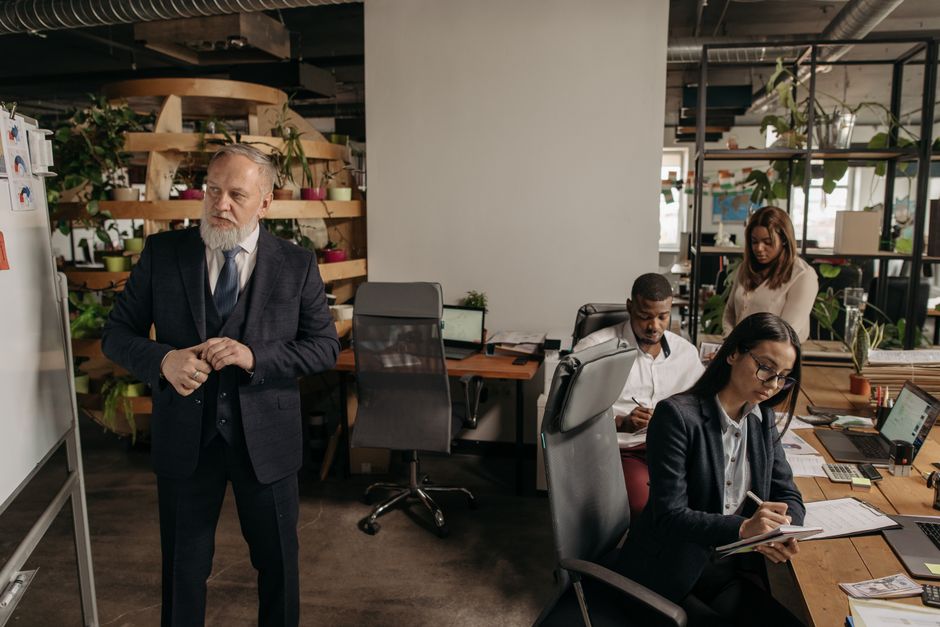
Photo by Pavel Danilyuk on Pexels
These are factors within the business that you can usually control or influence directly.
- Management: How the business is run, leadership style.
- Employees: Their skills, motivation, and numbers.
- Culture: The shared values and practices within the company.
- Resources: Financial, physical (equipment, buildings), and technological assets.
External Environment

Photo by Los Muertos Crew on Pexels
These are factors outside the business that you generally can't control but must adapt to. It's often broken down into two levels: the micro environment and the macro environment.
Micro Environment (Task Environment)
These are external factors that directly impact the business and its ability to serve customers.
- Customers: Who buys your products/services and what they want.
- Competitors: Other businesses offering similar products/services.
- Suppliers: Who provides your raw materials or components.
- Intermediaries: Businesses that help sell or distribute your products (e.g., retailers).
Macro Environment (General Environment)
These are broader societal forces that affect the entire micro environment and all businesses. A common way to analyse this is using PESTLE analysis:
- Political: Government policies, regulations, stability.
- Economic: Interest rates, inflation, exchange rates, economic growth.
- Social: Demographics, lifestyle trends, cultural values.
- Technological: New innovations, automation, R&D.
- Legal: Laws, health & safety, consumer protection.
- Environmental: Climate change, sustainability, resource scarcity.
Understanding these factors helps businesses identify opportunities and threats. You need to constantly monitor these to stay competitive and adapt.
graph TD
    A["Business Environment"] --> B["Internal Environment"]
    A --> C["External Environment"]

    B --> B1["Management"]
    B --> B2["Employees"]
    B --> B3["Culture"]
    B --> B4["Resources (Financial, Physical, Tech)"]

    C --> C1["Micro Environment"]
    C --> C2["Macro Environment"]

    C1 --> C1a["Customers"]
    C1 --> C1b["Competitors"]
    C1 --> C1c["Suppliers"]
    C1 --> C1d["Intermediaries"]

    C2 --> C2a["Political"]
    C2 --> C2b["Economic"]
    C2 --> C2c["Social"]
    C2 --> C2d["Technological"]
    C2 --> C2e["Legal"]
    C2 --> C2f["Environmental"]
3. Worked Example
Imagine you own a small coffee shop.
- Internal: Your baristas are highly trained and friendly (Employees), you have a strong focus on quality service (Culture), but your old espresso machine keeps breaking down (Physical Resources).
- Micro External: A new, trendy coffee chain just opened down the street (Competitors), making you think about your pricing. Your regular milk supplier just increased prices (Suppliers), impacting your costs.
- Macro External (PESTLE):
- Political: The local council is considering new licensing for outdoor seating (could be an opportunity if approved).
- Economic: Inflation is rising, meaning customers might have less disposable income (threat).
- Social: More people are becoming health-conscious and requesting plant-based milk alternatives (opportunity to expand menu).
- Technological: New payment apps are becoming popular, and you need to integrate them (opportunity/threat if you don't adapt).
- Legal: New food safety regulations are being introduced, requiring you to update your kitchen practices (threat if not complied with).
- Environmental: Customers are increasingly concerned about single-use plastics, pressuring you to use reusable cups (opportunity for eco-friendly branding).
By looking at all these factors, you can decide to invest in a new espresso machine, find a new milk supplier, introduce plant-based options, and explore new payment systems.
4. Key Takeaways
- The business environment includes everything inside and outside a business that affects it.
- Internal factors are generally controllable, like your staff and resources.
- External factors are generally uncontrollable, like competitors and government laws.
- The micro-environment involves direct relationships with customers, suppliers, and competitors.
- The macro-environment uses PESTLE to analyse broader political, economic, social, technological, legal, and environmental influences.
- Analysing the environment helps you spot opportunities and threats for your business.
- Continuous monitoring of the business environment is crucial for long-term success.
Common Mistakes to Avoid:
* Ignoring external factors: Only focusing internally can leave you unprepared for market changes.
* Not differentiating between micro and macro: Thinking all external factors affect you directly can lead to poor analysis.
* Treating the environment as static: It's constantly changing, so regular review is essential.
* Overlooking opportunities: Focusing only on threats can make you miss chances for growth.
5. Now Try It
Think about a popular fast-food restaurant chain you know. Spend 15 minutes listing at least two specific examples for each part of the business environment (Internal, Micro External, and each PESTLE factor for Macro External) that would affect that chain. For instance, for "Internal - Employees," you might list "high staff turnover rate." For "Micro External - Customers," you might list "increasing demand for healthier options."
Frequently asked about The Business Environment
Study this next
Get the full business 1 & 2 curriculum
Clone the complete plan to your dashboard for unlimited AI-generated notes, practice quizzes, and a personalised revision schedule.
Create Free Account