Introduction to Business and the Global Environment
From the Emerging business trends curriculum
TL;DR
Business is about creating value for customers by providing goods or services, and it operates within a complex global environment influenced by various factors. Understanding these internal and external forces helps businesses thrive and adapt. The global interconnectedness means businesses often face opportunities and challenges beyond their local markets.
1. The Mental Model
Imagine a business as a living organism: it needs resources to grow, interacts with its surroundings, and must adapt to changes to survive and prosper. These surroundings include both immediate connections (customers, suppliers) and broader forces (economy, culture, technology, politics) that extend globally.
2. The Core Material
Starting a business involves understanding what value you're offering and to whom. It's not just about making money; it's about solving problems or fulfilling needs for customers. This is often called the value proposition.
What is "Business"?

Photo by Christina Morillo on Pexels
At its simplest, a business is an organization that provides goods or services to consumers in exchange for money or other goods/services. The goal is typically to make a profit, which is the revenue left after all expenses are paid. However, businesses also have broader impacts, creating jobs, driving innovation, and contributing to society.
Businesses can be structured in many ways:
* Sole Proprietorship: Owned and run by one person. Simple to set up, but the owner is personally liable for all debts.
* Partnership: Owned by two or more people. Shared responsibilities and profits, but partners are generally personally liable.
* Corporation: A legal entity separate from its owners (shareholders). Provides limited liability for owners, but is more complex to set up and manage.
* Limited Liability Company (LLC): Combines aspects of partnerships/sole proprietorships with the limited liability of a corporation.
The Global Environment
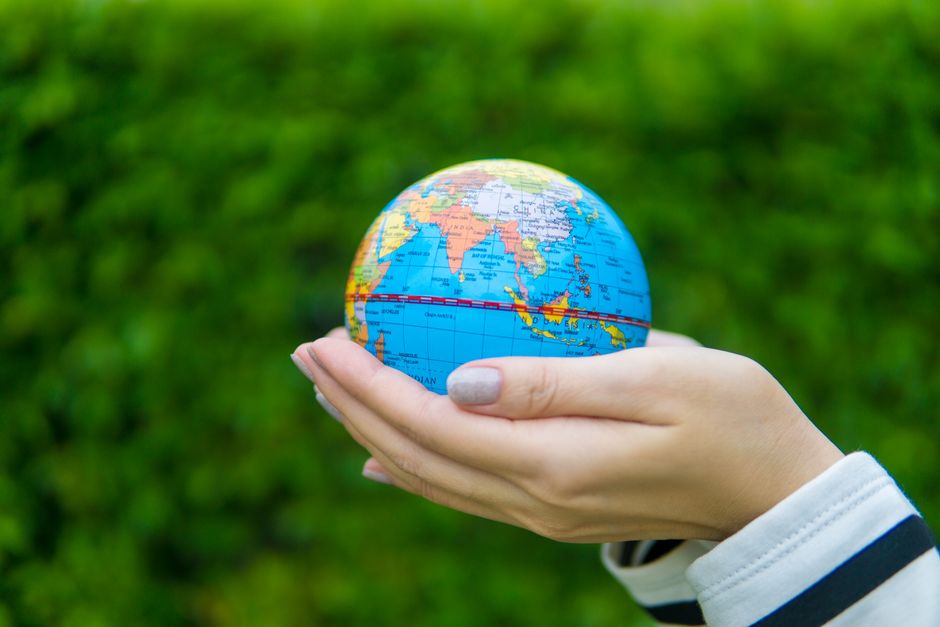
Photo by Puwadon Sang-ngern on Pexels
No business operates in a vacuum. It's constantly interacting with its environment, which can be broken down into several key categories. This framework is often referred to as PESTEL analysis, which helps us understand the macro-environment.
Political factors: Government policies, regulations, trade agreements, and political stability can significantly impact how a business operates (e.g., taxes, environmental laws, minimum wage).
Economic factors: Interest rates, inflation, economic growth, consumer spending habits, and exchange rates all affect a business's costs, revenues, and profitability.
Socio-cultural factors: Demographics, lifestyle changes, cultural norms, values, and ethical considerations influence product demand, marketing strategies, and workforce dynamics.
Technological factors: Innovations, automation, R&D spending, and access to technology can create new opportunities or make existing products/services obsolete.
Environmental factors: Climate change, resource scarcity, pollution, and sustainability concerns can lead to new regulations, shift consumer preferences, and impact supply chains.
Legal factors: Laws related to consumer protection, employment, health and safety, intellectual property, and competition directly dictate how a business must operate.
These factors are interconnected and increasingly global. For example, a political decision in one country about trade tariffs can have economic repercussions across the world, affecting businesses far from the initial decision.
Here's how these elements interact:
graph LR
    A["Business Operations"]
    B["Political/Legal Factors (e.g., Trade Laws, Regulations)"]
    C["Economic Factors (e.g., Inflation, Exchange Rates)"]
    D["Socio-Cultural Factors (e.g., Consumer Trends, Values)"]
    E["Technological Factors (e.g., Digitalization, AI)"]
    F["Environmental Factors (e.g., Climate Change, Resources)"]

    B --> A
    C --> A
    D --> A
    E --> A
    F --> A
    B -- "Influence" --> C
    C -- "Impact" --> D
    D -- "Drive" --> E
    E -- "Enable/Disrupt" --> F
    F -- "Require Adaptation" --> B
Why "Global"?

Photo by Ann H on Pexels
Many businesses today operate across borders, either directly (selling internationally) or indirectly (relying on global supply chains). Even a local coffee shop might use beans sourced from South America, equipment from Italy, and software from the US. This interconnectedness means:
* Opportunities: Access to new markets, lower labor costs, diverse talent, new resources.
* Challenges: Navigating different legal systems, cultural differences, currency fluctuations, supply chain disruptions, political instability, and increased competition.
Understanding the global environment helps businesses identify risks, adapt strategies, and leverage opportunities for growth.
3. Worked Example
Let's consider a company, "GreenGrow," that manufactures organic fertilizers.
GreenGrow sources raw materials (e.g., compostable waste) locally but wants to expand its sales into a new country, "TerraNova."
- Value Proposition: GreenGrow offers an effective, environmentally friendly fertilizer that improves soil health without synthetic chemicals. Their target customers are eco-conscious farmers and gardeners.
- Global Environment Analysis (for TerraNova expansion):
- Political/Legal: TerraNova has strict import regulations on agricultural products and requires specific organic certifications that differ from GreenGrow's home country. They also have a government subsidy program for local fertilizer producers, making it harder for foreign companies to compete on price.
- Economic: TerraNova's currency is volatile against GreenGrow's home currency, which could impact profitability. However, their agricultural sector is experiencing strong growth.
- Socio-cultural: Farmers in TerraNova are traditionally very loyal to local brands and methods. There's a growing awareness of organic farming, but the price sensitivity is high.
- Technological: TerraNova has good agricultural technology infrastructure, allowing for precision farming, which could integrate well with GreenGrow's product.
- Environmental: TerraNova is facing significant soil degradation issues, making GreenGrow's product highly relevant to solving a local problem.
- Legal: TerraNova has strong consumer protection laws requiring clear labeling and performance guarantees.
Based on this, GreenGrow realizes it can't just ship its existing product. It needs to partner with a local distributor to navigate certifications, adjust its pricing to compete, educate local farmers on the benefits, and perhaps even adapt its packaging or marketing to local tastes. The environmental problem in TerraNova represents a strong market need, but the political/legal and socio-cultural factors are significant hurdles requiring careful strategic planning.
4. Key Takeaways
- A business creates value by offering goods or services to meet customer needs, aiming for profit while also impacting society.
- Understanding different business structures (sole proprietorship, partnership, corporation, LLC) helps clarify ownership, liability, and complexity.
- The PESTEL framework (Political, Economic, Socio-cultural, Technological, Environmental, Legal) is crucial for analyzing the external forces impacting any business.
- These external factors are interconnected and constantly changing, requiring businesses to be adaptable and strategic.
- The global environment presents both opportunities (new markets, resources) and challenges (regulations, cultural differences, competition) for businesses.
- Even local businesses are often influenced by global factors through supply chains, technology, or economic trends.
- Successful businesses proactively analyze their environment to mitigate risks and capitalize on opportunities.
Common Mistakes to Avoid:
- Ignoring the external environment: Assuming a good product will sell itself without considering market dynamics or regulatory hurdles.
- Underestimating cultural differences: Applying a marketing strategy that works in one country directly to another without adaptation.
- Focusing only on profit: Neglecting broader impacts like ethical sourcing or environmental sustainability, which can damage reputation and long-term viability.
- Failing to adapt: Sticking to old ways of doing business when technology or consumer preferences shift.
- Ignoring legal and political risks: Not understanding local laws or potential trade barriers when entering new markets.
5. Now Try It
Think about a local business you know (e.g., a restaurant, a clothing store, a repair shop). Spend 15 minutes mapping out at least two specific examples for each letter of the PESTEL framework that could affect that specific business. For instance, for a restaurant, a "Political" factor might be new health inspection regulations, and an "Economic" factor could be rising food ingredient costs due to global supply chain issues.
What success looks like: You'll have a list of 10-12 concrete, relevant factors (2 per PESTEL category) that demonstrate how internal business operations are influenced by the broader environment, even for a local venture.
Frequently asked about Introduction to Business and the Global Environment
Study this next
Get the full Emerging business trends curriculum
Clone the complete plan to your dashboard for unlimited AI-generated notes, practice quizzes, and a personalised revision schedule.
Save this course free