Introduction to Solar System Habitability
From the Solar System curriculum
Introduction to Solar System Habitability
TL;DR
Habitability is the ability of an environment to support life, focusing on the conditions needed for liquid water and essential chemicals. While Earth is our primary example, scientists search for similar conditions elsewhere in our solar system. Key factors include distance from the Sun, presence of an atmosphere, and geological activity.
1. The Mental Model
Think of habitability like finding a good place for a garden. You need the right amount of sun, enough water, and good soil. For life, it's about finding planets or moons with the right temperature for liquid water, and the raw ingredients to build living things.
2. The Core Material
When we talk about habitability in the solar system, we're essentially looking for places where life as we know it could exist. This primarily means searching for the necessary ingredients and conditions that allowed life to flourish on Earth.
The main requirements for habitability are:
- Liquid Water: This is considered the most crucial factor. Water acts as a solvent, allowing chemical reactions vital for life to occur. It also helps transport nutrients and waste.
- Energy Source: Life needs energy to grow and reproduce. On Earth, this often comes from the Sun (photosynthesis) or chemical reactions (chemosynthesis).
- Essential Chemical Elements (CHNOPS): Carbon, Hydrogen, Nitrogen, Oxygen, Phosphorus, and Sulfur are the building blocks of all known life. These need to be present in sufficient quantities.
- Stable Environment: Conditions shouldn't fluctuate too wildly. Extreme temperature swings, harsh radiation, or rapid changes in atmospheric pressure can be detrimental.
The Habitable Zone (Goldilocks Zone)
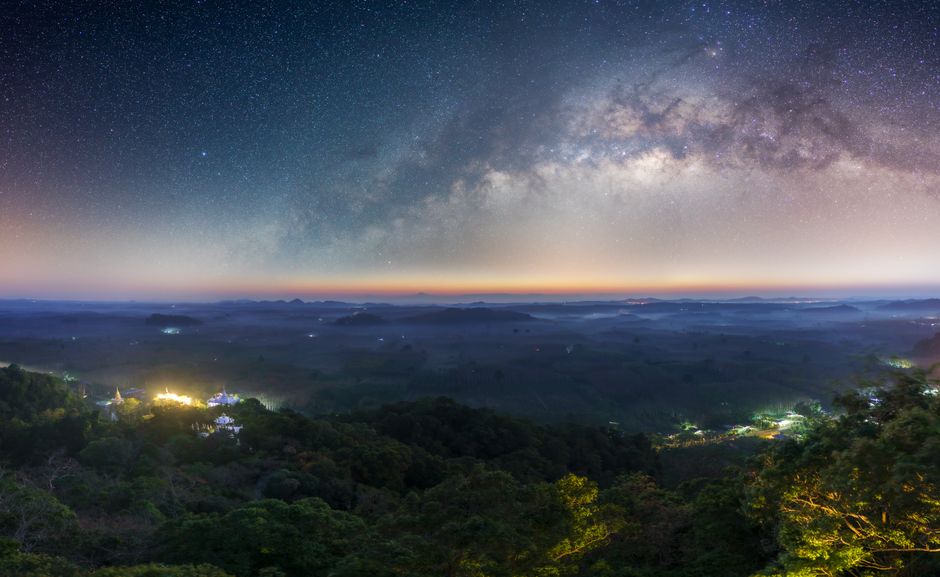
Photo by BBenZZ SATABORN on Pexels
The habitable zone (often called the "Goldilocks zone") is the region around a star where temperatures are just right for liquid water to exist on a planet's surface. If a planet is too close, water boils away; too far, it freezes. For our Sun, this zone roughly extends from Venus's orbit to Mars's orbit, with Earth comfortably nestled within it.
However, the habitable zone isn't the only story. We've learned that liquid water can exist underground on icy moons far outside this zone, kept warm by internal geological heat.
Factors Influencing Habitability

Photo by Geri Tech on Pexels
Here's a breakdown of the key factors that contribute to a body's habitability:
graph TD
    A["Planetary Habitability"] --> B["Liquid Water"]
    A --> C["Energy Source"]
    A --> D["Essential Elements (CHNOPS)"]
    A --> E["Stable Environment"]

    B --> B1["Surface Water (Habitable Zone)"]
    B --> B2["Subsurface Water (Geothermal Activity)"]

    C --> C1["Stellar Radiation (Sunlight)"]
    C --> C2["Geothermal Heat"]
    C --> C3["Chemical Reactions"]

    E --> E1["Atmosphere (Protection/Temperature Reg.)"]
    E --> E2["Magnetic Field (Radiation Shielding)"]
    E --> E3["Geological Activity (Plate Tectonics/Volcanism)"]
- Atmosphere: A suitable atmosphere can trap heat (greenhouse effect) to maintain liquid water and protect the surface from harmful radiation. Its composition is crucial.
- Magnetic Field: A strong magnetic field helps deflect harmful solar wind and cosmic rays, preventing an atmosphere from being stripped away and protecting surface life.
- Geological Activity: Processes like volcanism and plate tectonics can recycle nutrients, release greenhouse gases to regulate temperature, and create subsurface heat sources.
Potential Habitable Environments in Our Solar System

Photo by Zelch Csaba on Pexels
While Earth is our prime example, other places show potential:
- Mars: Once had liquid water and a thicker atmosphere. Today, it's cold and dry, but subsurface ice and ancient riverbeds hint at past habitability.
- Europa (Jupiter's Moon): Believed to have a vast saltwater ocean beneath its icy crust, warmed by tidal forces from Jupiter.
- Enceladus (Saturn's Moon): Also has a subsurface ocean, with active geysers spraying water and organic molecules into space, indicating hydrothermal activity.
- Titan (Saturn's Moon): Unique for its thick atmosphere and liquid methane/ethane lakes on its surface. While not liquid water, these liquids could host exotic forms of life.
3. Worked Example
Let's compare Earth and Mars in terms of a crucial habitability factor: the presence of a strong magnetic field.
Earth:
* Magnetic Field: Strong, generated by its liquid iron core.
* Impact on Habitability: This field deflects the solar wind, preventing it from stripping away our atmosphere. It also shields the surface from harmful cosmic radiation. This has allowed Earth to maintain a thick, life-sustaining atmosphere and protect surface life.
Mars:
* Magnetic Field: No global magnetic field today. It had one early in its history, but it largely shut down.
* Impact on Habitability: Without a global magnetic field, Mars's early atmosphere was gradually stripped away by the solar wind. This led to the loss of much of its surface liquid water, as temperatures plummeted and water either froze or sublimated directly into space. The surface is also exposed to high levels of radiation, making it difficult for complex life to thrive there today.
This example clearly shows how a single factor, like a magnetic field, can profoundly impact a planet's long-term habitability.
4. Key Takeaways
- Habitability is an environment's capacity to support life, primarily focusing on liquid water.
- The habitable zone is where a planet's surface temperature allows for liquid water from stellar radiation.
- Subsurface oceans on icy moons, heated by geology, expand the concept of habitability beyond the surface.
- An atmosphere protects against radiation and helps regulate surface temperature.
- A magnetic field is vital for protecting both the atmosphere and surface life from solar radiation.
- Geological activity can recycle nutrients and provide essential heat sources.
Common Mistakes to Avoid:
- Assuming the habitable zone is the only place to find liquid water.
- Forgetting that an atmosphere's composition is as important as its presence.
- Thinking that just having water guarantees life; other conditions are crucial.
- Overlooking the importance of internal planetary processes (like geothermal heat).
5. Now Try It
Imagine you're designing a space mission to look for life in our solar system. Choose either Europa or Enceladus, and in 3-4 sentences, explain why you would send a probe there, specifically referencing two key habitability factors discussed above that make it a good candidate. What would your probe look for?
What success looks like: You've clearly identified a celestial body and explained its potential habitability based on at least two relevant factors, and mentioned specific evidence or searches for your probe.
Frequently asked about Introduction to Solar System Habitability
Study this next
Get the full Solar System curriculum
Clone the complete plan to your dashboard for unlimited AI-generated notes, practice quizzes, and a personalised revision schedule.
Create Free Account