Introduction to 'Of Mice and Men' and Historical Context
From the Of mice and men curriculum
Introduction to 'Of Mice and Men' and Historical Context
TL;DR
John Steinbeck's "Of Mice and Men" explores the harsh realities of migrant farm workers during the Great Depression. The story reflects the period's economic struggles, social injustices, and the enduring human desire for companionship and a better life. Understanding this historical backdrop is key to grasping the novel's themes and characters.
1. The Mental Model
Imagine you're trying to survive in a tough world where jobs are scarce, money is tight, and many people are on the move looking for work. That's the basic environment for "Of Mice and Men," a story about two friends hoping for a better future against incredible odds.
2. The Core Material
What is 'Of Mice and Men' About?

Photo by Nikolett Emmert on Pexels
"Of Mice and Men" is a novella by John Steinbeck, published in 1937. It tells the story of George Milton and Lennie Small, two migrant farm workers who travel together during the Great Depression in California, dreaming of owning their own piece of land. Their dream, however, is constantly challenged by their circumstances and the harsh realities of their itinerant life.
The Great Depression (1929-1939)

Photo by Liv Kao on Pexels
The Great Depression was a severe worldwide economic depression that hit the United States particularly hard after the stock market crash of October 1929. Key characteristics include:
* Widespread Unemployment: Millions lost their jobs as businesses failed.
* Poverty and Homelessness: Many families lost their homes and were forced to become transient.
* "Dust Bowl" Migration: Severe droughts and dust storms in the Great Plains (the "Dust Bowl") forced thousands of farming families to migrate west, often to California, in search of work. These families, like George and Lennie, became migrant farm laborers.
* Social Dislocation: Communities were fractured, and there was a general sense of despair and insecurity.
Migrant Workers and "Bindlestiffs"
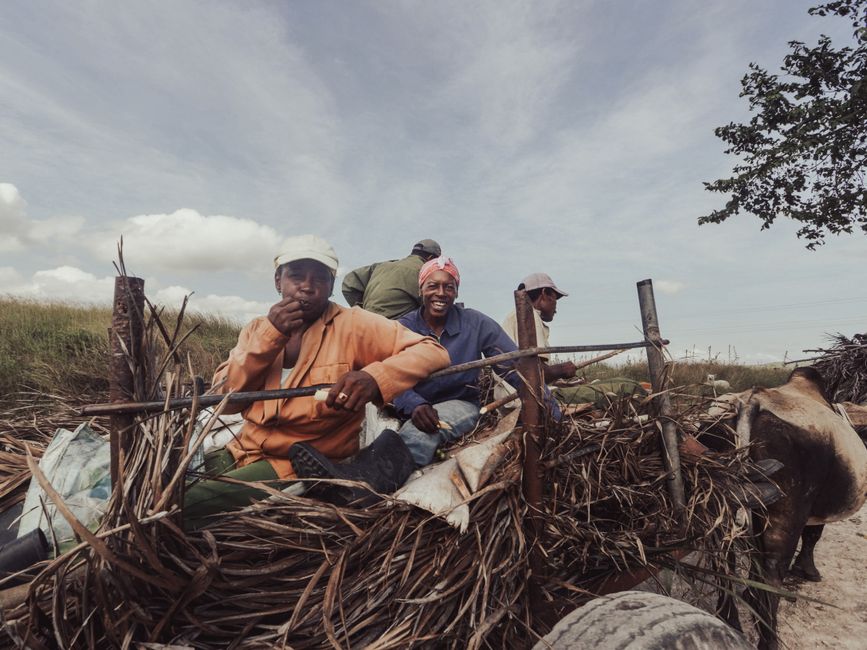
Photo by Mehmet Turgut Kirkgoz on Pexels
During the Depression, migrant workers were people who moved from place to place, following the harvest seasons to find agricultural work. They were often paid very little, had no job security, and lived in temporary, often squalid, conditions.
A "bindlestiff" was a derogatory term for a hobo or migrant worker who carried their belongings in a bindle (a cloth bundle on a stick). This lifestyle meant constant movement, loneliness, and a lack of permanence. George and Lennie fit this description, always on the move with their few possessions.
Steinbeck's Connection to the Subject

Photo by ready made on Pexels
John Steinbeck grew up in the Salinas Valley, California, an agricultural heartland. He worked alongside migrant farm laborers and witnessed their struggles firsthand. This direct experience gave his writing an authentic and empathetic voice, especially regarding the plight of the working class and the marginalized. His writing often highlighted social injustices and the dreams of ordinary people.
Here's a diagram showing the cause-and-effect chain that led to the social context of the novel:
graph TD
    A["Stock Market Crash (1929)"] --> B["Economic Depression (Great Depression)"];
    B --> C["Widespread Unemployment & Business Failures"];
    C --> D["Poverty & Loss of Homes"];
    D --> E["'Dust Bowl' Environmental Disaster"];
    E --> F["Mass Migration to California"];
    F --> G["Increase in Migrant Farm Laborers"];
    G --> H["Harsh Living & Working Conditions for Migrants"];
    H --> I["George & Lennie's Itinerant Life & Dreams"];
3. Worked Example
Imagine you're reading a passage where George talks about how lucky he is to have Lennie, saying, "Guys like us, that work on ranches, are the loneliest guys in the world. They got no family. They don't belong no place." This quote directly reflects the historical context of migrant workers during the Depression. Their transient lifestyle, constantly moving for work, meant they rarely formed lasting connections or had a sense of belonging. George's statement highlights the isolation and loneliness that was a common experience for bindlestiffs, making their shared dream even more precious.
4. Key Takeaways
- "Of Mice and Men" is set during the Great Depression, a time of immense economic hardship.
- The novel focuses on migrant farm workers who moved frequently in search of work.
- The "Dust Bowl" crisis significantly contributed to the influx of these workers into California.
- John Steinbeck's personal experience with migrant laborers informed his realistic portrayal.
- The theme of the American Dream, often unattainable, is central to the story.
- Loneliness and the importance of companionship are crucial aspects of the characters' lives.
- The story explores social injustices faced by marginalized groups during this era.
Common mistakes you should avoid:
- Don't assume the characters' struggles are just personal failings; recognize the systemic economic factors at play.
- Don't overlook the significance of the "dream farm" as more than just a place, but a symbol of hope and independence.
- Don't forget that Lennie's disability adds another layer to their vulnerability in this harsh world.
- Don't dismiss the smaller details of their daily lives; they often reveal the broader context.
5. Now Try It
Spend 15 minutes researching a specific aspect of the Great Depression or the Dust Bowl. For example, look up photos of migrant camps or read a short excerpt from an oral history of a Depression-era worker. Think about how what you found might impact the lives of characters like George and Lennie. Success looks like you being able to explain one new detail you learned and how it connects to the challenges faced by the novel's protagonists.
Frequently asked about Introduction to 'Of Mice and Men' and Historical Context
Study this next
Get the full Of mice and men curriculum
Clone the complete plan to your dashboard for unlimited AI-generated notes, practice quizzes, and a personalised revision schedule.
Create Free Account