The Real Estate Consumer Protection Enhancement Act (CPEA)
From the u.3 curriculum
The Real Estate Consumer Protection Enhancement Act (CPEA)
TL;DR
The CPEA is a law designed to protect you, the real estate consumer, by increasing transparency and accountability among real estate professionals. It strengthens existing regulations and introduces new requirements for brokers, agents, and other parties involved in property transactions. This act aims to ensure fair practices and reduce the likelihood of fraud or misconduct in the real estate market.
1. The Mental Model
Think of CPEA as a shield for you in the real estate world. It ensures everyone involved in your property transaction plays by clear, strict rules, making the process safer and more transparent for you. It's about empowering you with more information and recourse if things go wrong.
2. The Core Material
The Real Estate Consumer Protection Enhancement Act (CPEA) significantly updates existing real estate laws to better safeguard consumers. It focuses on several key areas, primarily increasing disclosure requirements, strengthening penalties for misconduct, and enhancing oversight of real estate professionals. Essentially, it closes loopholes and beefs up protections that might have been insufficient before.
Enhanced Disclosure Requirements
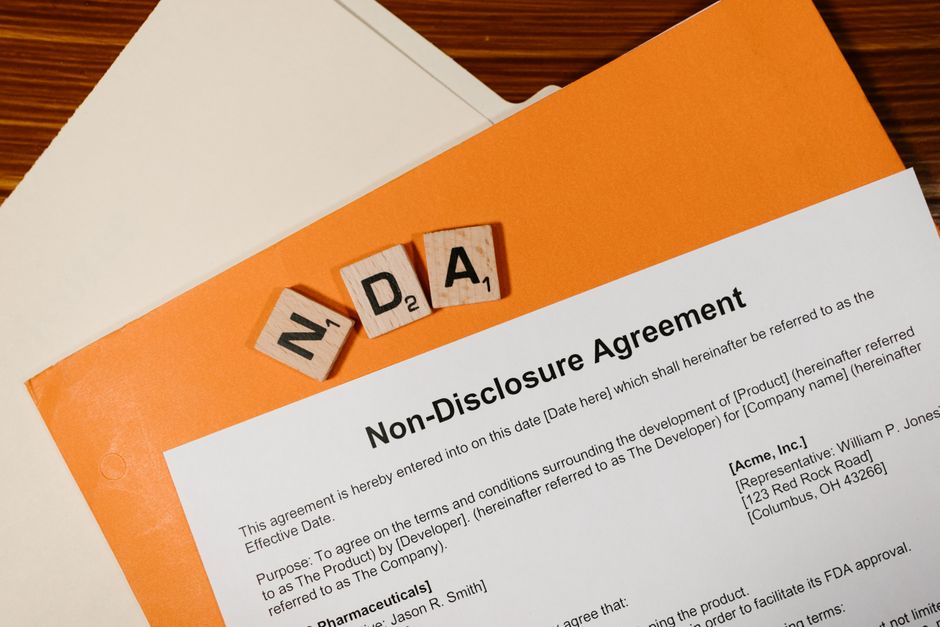
Photo by RDNE Stock project on Pexels
One of the biggest changes CPEA brings is the mandate for more comprehensive and timely disclosures. This means you should receive more information, earlier in the process, about potential conflicts of interest, property conditions, and transaction fees. The goal is to prevent surprises and allow you to make informed decisions. For example, if an agent has a financial interest in a recommended service provider, they must disclose that to you.
Stricter Penalties for Misconduct

Photo by BOOM 💥 Photography on Pexels
CPEA strengthens the penalties for real estate professionals who engage in fraudulent activities, misrepresentation, or other forms of misconduct. This includes higher fines, longer suspensions, and in severe cases, permanent revocation of licenses. This acts as a stronger deterrent against unethical behavior, ultimately benefiting you as a consumer.
Increased Oversight and Education

Photo by Markus Winkler on Pexels
The act also emphasizes increased oversight by regulatory bodies and mandates ongoing education for real estate licensees. This ensures that professionals are up-to-date on legal requirements and ethical standards. You're more likely to be dealing with a knowledgeable and compliant agent because of these provisions.
Here's a simplified flow of how the CPEA generally impacts a transaction:
graph TD
    A["Consumer (You) looking to buy/sell"] --> B{"Real Estate Professional Selection"}
    B --> C["Professional Provides Enhanced Disclosures (CPEA Mandate)"]
    C --> D{"Transaction Process Begins"}
    D --> E["Ongoing Professional Conduct & Compliance (CPEA Standards)"]
    E --> F{"Transaction Completion (e.g., Closing)"}
    F --> G["Consumer Protection Maintained Post-Transaction (CPEA Recourse)"]
    G --> H["Regulatory Body Oversight (CPEA Enforcement)"]
Protection Against Unlicensed Activity

Photo by Atypeek Dgn on Pexels
CPEA also cracks down on individuals performing real estate activities without the proper licensing. This helps ensure that anyone advising you or handling your transaction is qualified and subject to professional standards and accountability. Dealing with an unlicensed person is a huge risk, and CPEA aims to minimize that.
3. Worked Example
Let's say you're interested in buying a house. You're working with an agent, Sarah, who recommends a specific home inspection company, "Reliable Inspections Inc." Before CPEA, Sarah might just say, "They're good, I've used them before."
Under CPEA, Sarah now has a clear duty to disclose any financial relationship she has with Reliable Inspections Inc. If Sarah's brother owns Reliable Inspections Inc., or if she receives a referral fee for recommending them, she must inform you of this conflict of interest in writing.
CPEA in action:
- You: "Who do you recommend for a home inspection, Sarah?"
- Sarah: "I often recommend Reliable Inspections Inc. They do thorough work. However, I need to disclose that my brother is the owner of that company. You are, of course, free to choose any inspector you prefer."
This enhanced disclosure allows you to decide whether you're comfortable using Reliable Inspections, knowing the potential conflict, or if you'd rather seek an entirely independent recommendation. Without CPEA, this conflict might remain hidden, potentially compromising the objectivity of the inspection or your trust in Sarah.
4. Key Takeaways
- CPEA mandates significantly more transparency and disclosure from real estate professionals.
- It increases the penalties for agents and brokers who act unethically or illegally.
- The act enhances oversight and education requirements for all licensees.
- CPEA aims to empower you with more information to make informed real estate decisions.
- It provides stronger protection against unlicensed real estate activities.
Common mistakes you should avoid:
- Not reading disclosures: Always thoroughly review any disclosure documents your agent provides. They're there for your protection.
- Assuming all agents are equally regulated: While CPEA levels the playing field, some agents go above and beyond. Don't assume minimum compliance is maximum protection.
- Not asking questions: If something isn't clear in a disclosure or about a recommendation, ask your agent for clarification.
- Ignoring red flags: If something feels off, even with CPEA in place, trust your gut and investigate further or seek external advice.
5. Now Try It
Imagine you're selling your current home. Your agent recommends a specific staging company to prepare your house for sale. What questions would you ask your agent, specifically keeping the principles of CPEA in mind, to ensure you're making an informed decision and to check for potential conflicts of interest?
What success looks like: You should be able to list at least three specific questions that probe for financial ties or other relationships between your agent and the recommended staging company, or ask about alternatives.
Frequently asked about The Real Estate Consumer Protection Enhancement Act (CPEA)
Study this next
Get the full u.3 curriculum
Clone the complete plan to your dashboard for unlimited AI-generated notes, practice quizzes, and a personalised revision schedule.
Create Free Account