Ancient Rome: Empire, Innovations, and Collapse
From the individulas and societies curriculum
Ancient Rome: Empire, Innovations, and Collapse
TL;DR
Ancient Rome grew from a small city to a massive empire through military might and smart governance, leaving behind lasting innovations. However, internal conflicts, economic issues, and external pressures eventually led to its decline and fall. Understanding Rome helps us see how societies rise and fall, and the impact of long-term choices.
1. The Mental Model
Think of Ancient Rome as a highly successful startup that grew too big, too fast. It innovated constantly, conquered markets, but eventually buckled under its own weight and competition.
2. The Core Material
Ancient Rome's story is a huge chunk of history, lasting over a thousand years from its legendary founding in 753 BCE to the fall of the Western Roman Empire in 476 CE. It wasn't just a single event but a long process of evolution, expansion, and eventual decline.
From Republic to Empire
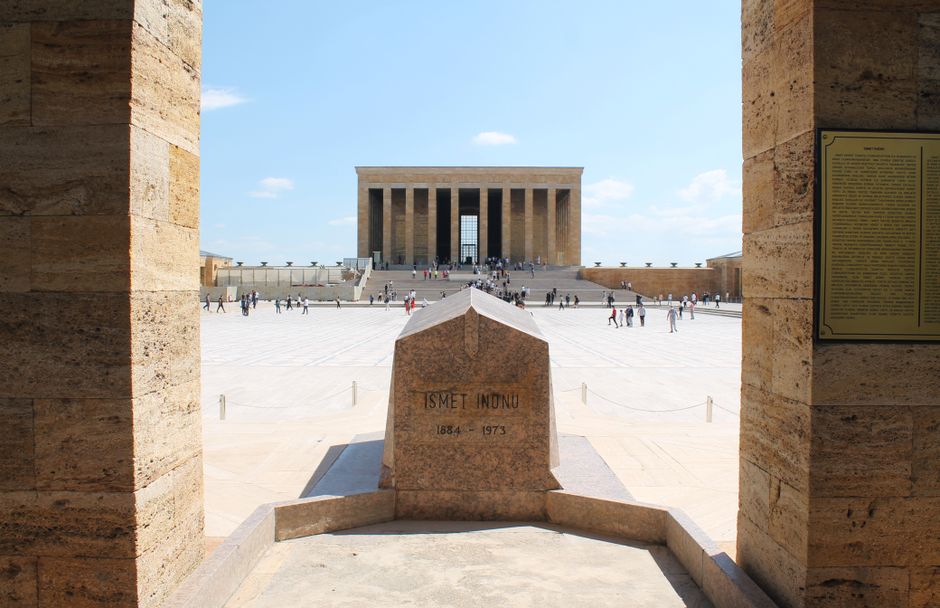
Photo by Ismail O. Ukav on Pexels
Rome started as a Republic, where citizens had a say in governance through elected officials. This period saw massive expansion across Italy and the Mediterranean, largely driven by its disciplined army. However, this expansion, along with internal power struggles, led to the rise of powerful generals like Julius Caesar. His assassination paved the way for his adopted son, Augustus, to become the first Roman Emperor, effectively ending the Republic and beginning the Imperial period. This shift concentrated power in one person, allowing for more unified, but also more autocratic, control.
Innovations and Contributions

Photo by Markus Winkler on Pexels
The Romans were incredibly pragmatic and innovative, especially in engineering and law. Their contributions shaped much of the Western world.
- Architecture & Engineering: They mastered concrete, enabling them to build massive, durable structures like the Pantheon, the Colosseum, and extensive road networks. Their aqueducts were engineering marvels, bringing fresh water to cities over vast distances.
- Law: Roman law, particularly the concept of "innocent until proven guilty" and structured legal codes, influenced legal systems worldwide.
- Government & Administration: They developed sophisticated administrative structures to govern their vast empire, including provincial governance and a census system.
- Language: Latin, the language of Rome, is the root of many modern European languages (Romance languages) and heavily influenced English.
Causes of Collapse

Photo by Atlantic Ambience on Pexels
The collapse of the Western Roman Empire in 476 CE wasn't a single event but a complex interplay of factors that weakened it over centuries. The Eastern Roman Empire (Byzantine Empire) continued for another thousand years, showing that "Rome" didn't truly vanish, just transformed.
graph TD
    A["Overexpansion & Administration"] --> B["Stretched Resources & Communication"]
    C["Economic Issues"] --> D["Inflation & Tax Burden"]
    E["Military Overreach"] --> F["Reliance on Mercenaries & Barbarian Allies"]
    G["Political Instability"] --> H["Frequent Coups & Weak Emperors"]
    I["Barbarian Invasions"] --> J["Loss of Territory & Resources"]
    K["Social Decay"] --> L["Decline in Civic Virtue & Public Health"]

    B --> M["Weakened Central Authority"]
    D --> M
    F --> M
    H --> M
    J --> M
    L --> M

    M --> N["Fall of Western Roman Empire (476 CE)"]
- Overexpansion: The empire became too large to effectively manage and defend. Its vast borders were constantly under threat.
- Economic Problems: Constant warfare and maintaining a huge army were incredibly expensive. Inflation, debasement of currency (reducing the precious metal content), and a heavy tax burden on citizens became endemic. The reliance on slave labor also hindered technological progress in some areas.
- Political Instability: There was a rapid succession of emperors, often seizing power through military force. This led to internal strife and a lack of consistent leadership.
- Military Issues: While once superior, the Roman army became overstretched and increasingly relied on mercenary soldiers and "barbarian" federates, whose loyalties could be fickle.
- Barbarian Invasions: Migrating Germanic tribes, often pushed by the Huns, put immense pressure on Rome's borders. The sack of Rome by the Visigoths in 410 CE was a symbolic blow, though not the ultimate end.
- Social & Cultural Decline: Some historians point to a decline in civic responsibility, public health issues (plagues), and a shift in values as contributing factors.
3. Worked Example
Let's look at the impact of aqueducts. Before aqueducts, Roman cities relied on local wells, rainwater collection, or nearby rivers. This limited city size and made sanitation challenging. The construction of an aqueduct, like the Aqua Claudia (completed 52 CE), involved massive engineering:
- Source Identification: Finding reliable, clean springs or rivers in the hills, sometimes many miles away.
- Surveying: Precisely mapping the terrain to ensure a consistent, slight downward gradient for water flow. This often involved complex calculations and surveying tools.
- Construction: Building channels, often underground or across valleys on massive stone arches. The Aqua Claudia, for example, used arches up to 100 feet high over parts of its 43-mile length.
- Distribution: Once the water reached the city, it was distributed to public baths, fountains, and some private homes, using lead pipes (a known health hazard, though Romans didn't understand the full extent of lead poisoning).
This innovation allowed Rome to grow to a population of over a million people, unprecedented for its time, and supported public health and hygiene through access to abundant fresh water, a luxury few other ancient cities enjoyed.
4. Key Takeaways
- The Roman Republic evolved into a vast Empire, consolidating power under emperors.
- Roman innovations in engineering (aqueducts, roads, concrete) and law significantly shaped Western civilization.
- The Empire's overexpansion created unmanageable borders and strained resources.
- Economic instability, political turmoil, and military weaknesses made the Empire vulnerable.
- External pressures from "barbarian" migrations ultimately contributed to the Western Empire's fall.
- The fall of Rome was a long, complex process, not a single event.
- Rome's legacy continues to influence modern governance, law, language, and architecture.
Common Mistakes to Avoid:
- Don't think of Rome's fall as an overnight event; it was centuries in the making.
- Don't assume the "barbarians" were simply uncivilized destroyers; many were complex societies seeking land or alliances.
- Don't confuse the fall of the Western Roman Empire with the end of all Roman influence; the Eastern (Byzantine) Empire continued.
- Don't forget the positive contributions alongside the reasons for its decline.
5. Now Try It
Imagine you are an advisor to a late Roman Emperor (around 300 CE). Your task is to write a short, one-page memo (about 250 words) outlining the top three most pressing problems facing the Empire and suggesting one concrete, actionable solution for each. Focus on solutions that could realistically be implemented given the technology and political climate of the time.
What success looks like: Your memo clearly identifies three distinct problems (e.g., military, economic, political), explains why they're pressing, and offers plausible, specific solutions that address those root causes.
Frequently asked about Ancient Rome: Empire, Innovations, and Collapse
Study this next
Get the full individulas and societies curriculum
Clone the complete plan to your dashboard for unlimited AI-generated notes, practice quizzes, and a personalised revision schedule.
Create Free Account