Fundamentals of Adhesion
From the 2. Adhesion (Day 7-9) curriculum
Fundamentals of Adhesion
TL;DR
Adhesion is all about how two materials stick together, influenced by surface properties, forces between molecules, and how the joint is built. Understanding these basics helps you make sure things stay stuck. It's a key factor in everything from manufacturing to biology.
1. The Mental Model
Think of adhesion like tiny, invisible hooks and magnets on surfaces. The better these hooks and magnets line up and interact, the stronger the connection between the two materials.
2. The Core Material
Adhesion isn't just one thing; it's a combination of several mechanisms that make two surfaces stick. You'll often hear about five main theories, though they frequently overlap in real-world situations.
2.1 Mechanical Interlocking
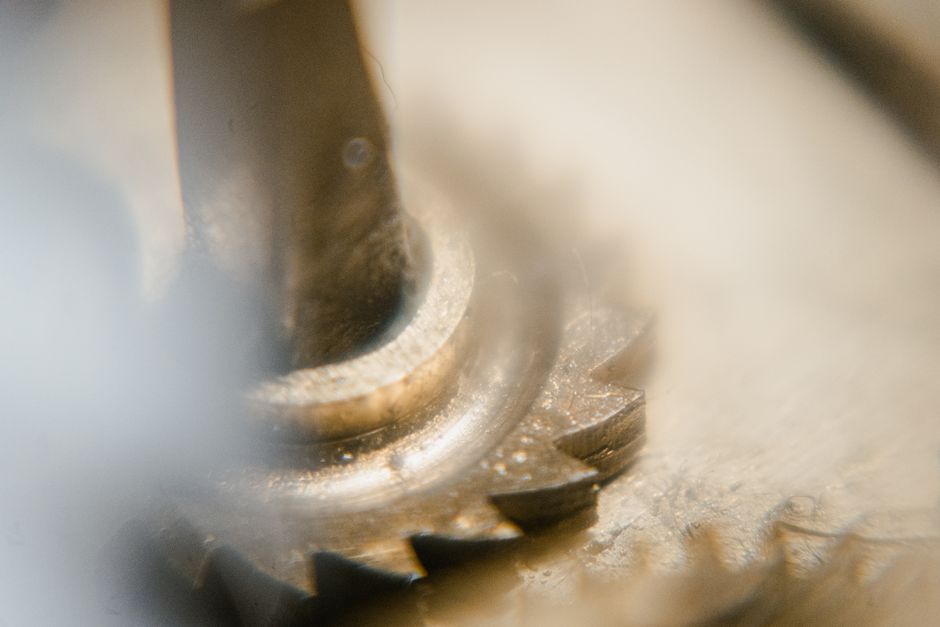
Photo by Tima Miroshnichenko on Pexels
Imagine two pieces of a jigsaw puzzle fitting together. Mechanical interlocking is similar: the adhesive (or one material) flows into tiny pores, cracks, or rough spots on the other surface. Once it hardens or sets, it creates a physical "keying" action that prevents separation. This is especially important for porous materials like wood or rough metals. Sanding a surface before gluing isn't just about cleaning; it's often about creating more of these tiny anchor points.
2.2 Adsorption and Wetting
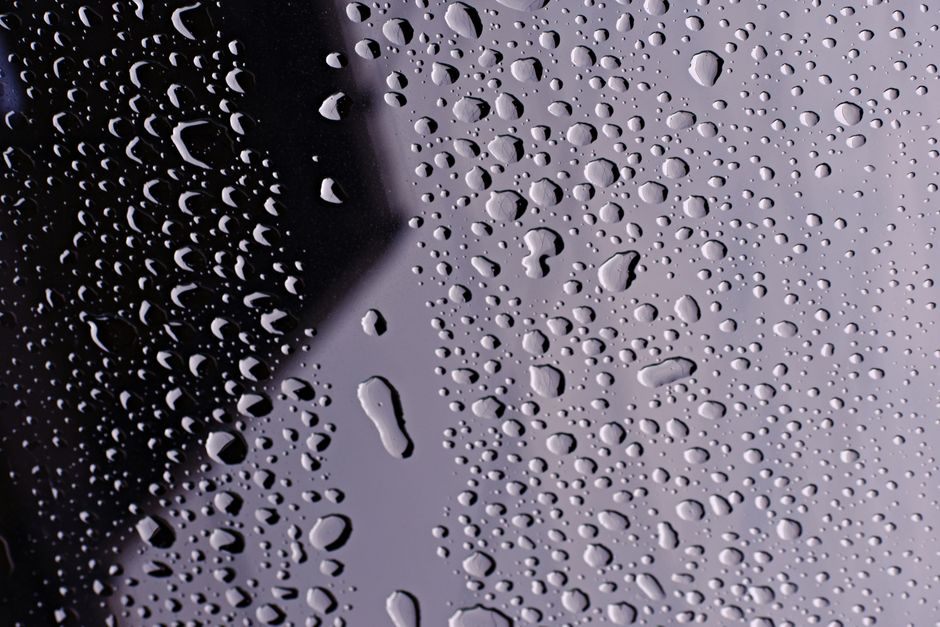
Photo by Diana ✨ on Pexels
This is probably the most fundamental. Adsorption refers to the molecules of one substance clinging to the surface of another. For strong adhesion, the adhesive needs to be able to "spread" well over the adherend surface, a process called wetting. Good wetting means the liquid adhesive can get into close contact with the surface molecules. If an adhesive beads up like water on a waxed car, it's not wetting well, and you won't get strong adhesion. The forces at play here are the same intermolecular forces you learned about in chemistry: Van der Waals forces, hydrogen bonding, and even covalent bonds.
2.3 Diffusion Theory

Photo by Jill Burrow on Pexels
This theory applies mostly when two polymers (like plastics) are joined. If both materials are in a molten or tacky state, polymer chains from one material can actually entangle and diffuse into the other material across the interface. It's like two bowls of spaghetti merging into one as the strands intertwine. This creates a strong, almost homogeneous joint where the boundary effectively disappears.
2.4 Electrostatic Theory

Photo by Atlantic Ambience on Pexels
Sometimes, when two materials come into contact, electrons can transfer from one surface to the other, creating opposite electrical charges at the interface. These opposite charges then attract each other, contributing to the adhesive bond. Think of static cling, but much stronger and more permanent.
2.5 Chemical Bonding
This is the strongest type of adhesion. Here, the adhesive and the adherend actually form primary chemical bonds (like covalent or ionic bonds) across their interface. This often happens with certain types of reactive adhesives or surface treatments that modify the adherend to create bond sites. When chemical bonds form, you're essentially creating a single, new material at the interface, making the bond extremely strong and durable.
Here's a breakdown of how these theories often interact:
graph TD
    A["Surface Preparation (e.g., sanding, cleaning)"] --> B["Increased Surface Area/Roughness"]
    B --> C1["Mechanical Interlocking"]

    D["Adhesive (Liquid State)"] --> E["Wetting & Spreading"]
    E --> F["Close Molecular Contact"]
    F --> C2["Adsorption (Van der Waals, H-bonding)"]

    G["Reactive Adhesive / Surface Treatment"] --> H["Chemical Bond Formation"]
    H --> C3["Chemical Bonding"]

    I["Polymer-Polymer Interface (Molten/Tacky)"] --> J["Chain Entanglement & Diffusion"]
    J --> C4["Diffusion"]

    K["Contact between Dissimilar Materials"] --> L["Electron Transfer"]
    L --> C5["Electrostatic Attraction"]

    C1 & C2 & C3 & C4 & C5 --> M["Overall Adhesion Strength"]
3. Worked Example
Let's consider gluing two pieces of wood.
- Preparation: You sand both surfaces (creating roughness for mechanical interlocking and cleaning off dirt for better wetting).
- Application: You apply a wood glue (like PVA). The liquid glue spreads over the wood, showing good wetting, and its molecules adsorb onto the wood fibers via hydrogen bonding and Van der Waals forces.
- Curing: As the glue dries and hardens, it flows into the microscopic pores and irregularities of the wood, forming a strong mechanical interlock. Some wood glues can also form chemical bonds with cellulose in the wood fibers, further enhancing chemical bonding.
- Result: A strong, durable bond is formed, thanks to a combination of these theories working together.
4. Key Takeaways
- Adhesion isn't a single mechanism but often a combination of mechanical, chemical, and physical forces.
- Wetting is crucial: if an adhesive doesn't spread well, you won't get good contact or strong bonds.
- Surface cleanliness and roughness significantly impact adhesion strength by enabling better contact and interlocking.
- Stronger bonds often involve chemical bonding, where primary chemical links form across the interface.
- Different materials and adhesives will rely more heavily on specific adhesion mechanisms.
Common Mistakes to Avoid:
- Don't skip surface preparation; it's often the most critical step for strong adhesion.
- Don't use an adhesive that doesn't wet your material well; check its compatibility.
- Don't assume all adhesives work the same way for all materials.
- Don't forget that environmental factors (temperature, humidity) can affect adhesion both during application and over time.
5. Now Try It
Choose two common household items you might want to glue together (e.g., plastic toy, ceramic mug, piece of paper, metal trinket). For each item, brainstorm which of the five adhesion theories would likely play the biggest role in getting it to stick to another surface. Think about the material properties and what kind of adhesive you'd pick.
Success looks like: You can confidently identify the primary adhesion mechanism(s) for your chosen items and explain why that mechanism is most relevant based on the material's characteristics.
Frequently asked about Fundamentals of Adhesion
Study this next
Get the full 2. Adhesion (Day 7-9) curriculum
Clone the complete plan to your dashboard for unlimited AI-generated notes, practice quizzes, and a personalised revision schedule.
Create Free Account