Foundations of Social Studies
From the Social Studies curriculum
Foundations of Social Studies
TL;DR
Social Studies helps you understand how people interact with each other and their environment over time. It combines history, geography, civics, and economics to explain societies. By studying it, you learn to be an informed, active citizen.
1. The Mental Model
Think of Social Studies as a big puzzle where each piece (like history or geography) fits together to show a complete picture of human society. It helps you see how past events connect to today's world and influences your future.
2. The Core Material
Social Studies isn't just one subject; it's an umbrella term for several interconnected disciplines that help us understand the human experience. We're looking at history, geography, civics, and economics.
History: Understanding the Past

Photo by Beate Vogl on Pexels
History is the study of past events. It's not just memorizing dates; it's about understanding cause and effect, how societies change, and the motivations behind human actions. When you study history, you're learning from the experiences of those who came before us. This helps us see patterns and avoid repeating mistakes.
Geography: Where We Are
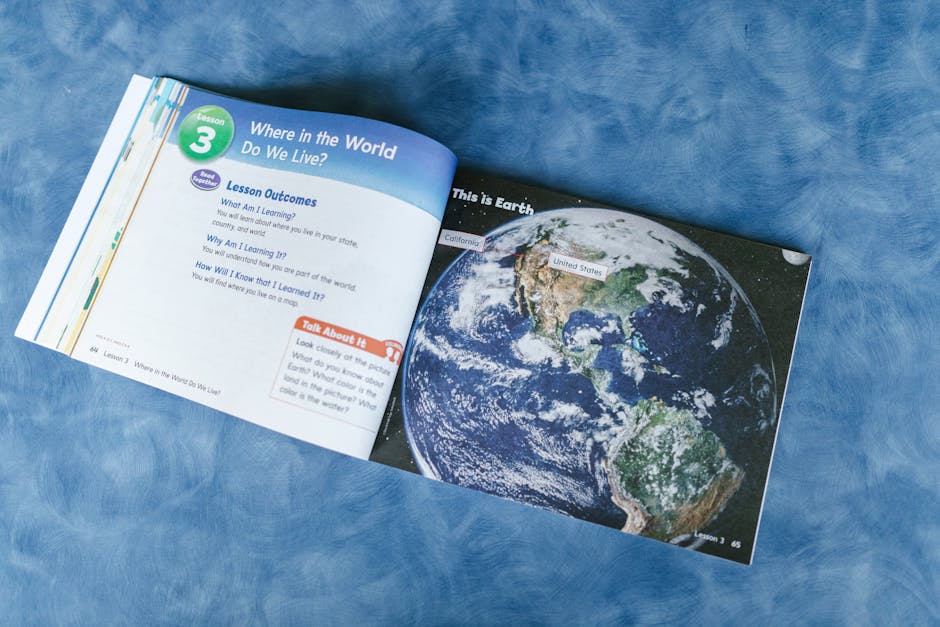
Photo by RDNE Stock project on Pexels
Geography is the study of the Earth's features and how human activity affects and is affected by these features. It includes physical geography (mountains, rivers, climates) and human geography (population distribution, cultures, cities). Understanding geography helps you see why societies developed where they did and how physical surroundings influence human life.
Civics: How We Govern Ourselves

Photo by Tara Winstead on Pexels
Civics is the study of the rights and duties of citizenship. It covers how governments work, your role as a citizen, and the principles of democracy. Learning civics helps you understand your responsibilities and how you can participate in making your community and country better. It's about being an active and informed member of society.
Economics: How We Use Resources

Photo by Jeff Weese on Pexels
Economics is the study of how societies produce, distribute, and consume goods and services. It helps you understand concepts like supply and demand, scarcity, and trade. Knowing about economics gives you insight into financial decisions, market forces, and how countries interact through commerce.
The Interconnectedness
These four areas don't exist in isolation. They constantly influence each other. For example, a historical event (like a war) might have been triggered by geographical factors (access to resources), affected the civic structure (a change in government), and had major economic consequences (rebuilding efforts).
graph TD
    A["History (Past Events, Cause/Effect)"] --> B["Civics (Government, Citizenship)"]
    A --> C["Geography (Earth's Features, Human Interaction)"]
    A --> D["Economics (Resources, Production)"]
    B --> E["Understanding Society"]
    C --> E
    D --> E
    B --> D
    C --> B
    D --> C
3. Worked Example
Let's consider the American Revolution as a Social Studies example.
- History: The historical events include the Stamp Act, Boston Tea Party, battles, and the Declaration of Independence. You'd study the motivations of the colonists and the British, key figures, and the timeline of events.
- Geography: The geography played a huge role. The vast distance between Britain and the colonies made governing difficult. The physical landscape of the colonies (rivers, mountains, coastline) influenced military strategies and where settlements formed.
- Civics: The Revolution was fundamentally about civics – the colonists' desire for self-governance, representation, and rights. It led to the formation of a new government based on democratic principles outlined in the Constitution.
- Economics: Economic factors were central. British taxes on goods (like tea) and trade restrictions fueled colonial resentment. The desire for economic independence was a key driver for the revolution.
You can see how these four elements weave together to explain a single major event.
4. Key Takeaways
- Social Studies isn't just one subject; it's a blend of history, geography, civics, and economics.
- History helps you learn from the past and understand how things change over time.
- Geography explains how your environment shapes human societies and vice-versa.
- Civics teaches you about government, your rights, and your duties as a citizen.
- Economics covers how societies manage resources, produce, and consume goods.
- These disciplines are deeply interconnected, providing a holistic view of human society.
- Understanding Social Studies helps you make sense of the world around you and be an active participant.
Common Mistakes to Avoid:
- Don't see history as just memorizing dates; focus on the "why" and "how" of events.
- Don't ignore the environment; geography significantly impacts human development.
- Don't assume government is just for politicians; your participation is vital in civics.
- Don't think economics is only about money; it's about choices and resource management.
5. Now Try It
Pick a current event from the news (like a natural disaster, an election, or an economic report). Spend 15 minutes analyzing it through the lens of history, geography, civics, and economics. Jot down a few sentences for each discipline, explaining how it relates to the event. For success, you should be able to clearly identify at least one connection for each of the four core Social Studies areas.
Frequently asked about Foundations of Social Studies
Study this next
Get the full Social Studies curriculum
Clone the complete plan to your dashboard for unlimited AI-generated notes, practice quizzes, and a personalised revision schedule.
Create Free Account