Foundations of Social Studies and Early Civilizations
From the Social Studies 9.1 and 9.2 notes curriculum
Foundations of Social Studies and Early Civilizations
TL;DR
Social Studies helps you understand human societies by looking at history, geography, civics, and economics. Early civilizations were complex societies that developed key features like cities and writing. Studying these foundations gives you tools to analyze the world around you.
1. The Mental Model
Think of Social Studies as a detective kit for understanding people and their societies. You're using different lenses—like history or geography—to piece together how humans have lived, why things are the way they are, and where we might be headed.
2. The Core Material
What is Social Studies?

Photo by Christina Morillo on Pexels
Social Studies isn't just one subject; it's a big umbrella covering many ways we study human societies. It helps you understand how people interact, organize themselves, and shape their world. You'll often explore:
- History: How events in the past shaped the present.
- Geography: How location and environment influence human life.
- Civics: How governments work and what your rights and responsibilities are.
- Economics: How societies produce, distribute, and consume goods and services.
- Culture: The shared beliefs, customs, arts, and way of life of a group.
These areas are interconnected. For example, geographical features (like rivers) often influenced where early civilizations developed, which in turn affected their economic systems and historical events.
What Makes a Civilization "Civilized"?

Photo by Tom D'Arby on Pexels
When we talk about "early civilizations," we're not saying they were better than other groups, but that they developed certain complex features. These features allowed for larger, more organized societies.
Here are the key characteristics historians often look for:
- Cities: Large populations living together.
- Organized Government: A system to manage society, make laws, and provide services.
- Complex Religion: Shared beliefs and rituals, often with organized leadership.
- Job Specialization: People doing different jobs (farmers, builders, priests, soldiers) instead of everyone doing everything.
- Social Classes: A hierarchy of people based on wealth, power, or job.
- Arts and Architecture: Sophisticated forms of expression and construction.
- Public Works: Large-scale projects like roads, irrigation systems, or defensive walls.
- Writing: A system for recording information (laws, history, trade).
Where Did Early Civilizations Develop?
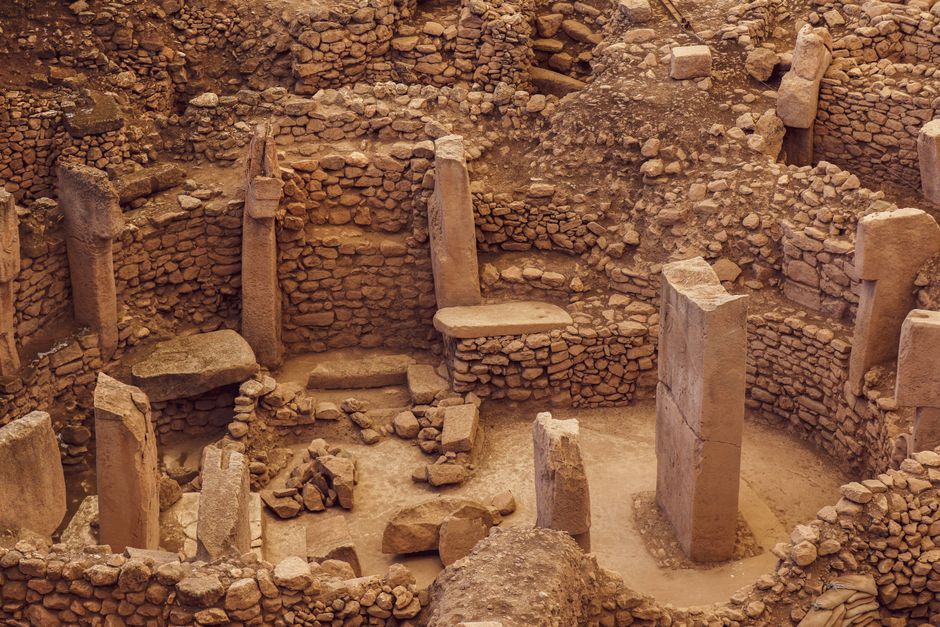
Photo by ÖMER ŞAHİN on Pexels
Most early civilizations started in river valleys. Rivers provided fresh water for drinking and irrigation, fertile soil for farming (thanks to annual floods), and easy transportation. This reliable food source allowed populations to grow, leading to the development of those complex features.
graph TD
    A["Need for Water/Food"] --> B["Settlement Near Rivers"];
    B --> C["Reliable Agriculture (Fertile Soil, Irrigation)"];
    C --> D["Food Surplus"];
    D --> E["Population Growth"];
    E --> F["Need for Organization"];
    F --> G["Development of Key Civilization Features"];
    G --> H["First Civilizations (e.g., Mesopotamia, Egypt)"];
Examples of Early Civilizations
Photo by ÖMER ŞAHİN on Pexels
- Mesopotamia (around Tigris and Euphrates Rivers): Often called the "Cradle of Civilization," known for Sumerians, Babylonians, and inventions like the wheel and cuneiform writing.
- Ancient Egypt (along the Nile River): Famous for pharaohs, pyramids, hieroglyphics, and sophisticated irrigation.
- Indus Valley Civilization (along the Indus River): Known for advanced city planning (Mohenjo-Daro, Harappa) and a unique writing system we haven't fully deciphered.
- Ancient China (along the Yellow and Yangtze Rivers): Developed complex dynasties, advanced bronze work, and early forms of writing.
3. Worked Example
Let's look at Ancient Egypt through the lens of civilization characteristics.
- Cities: Developed cities like Memphis and Thebes.
- Organized Government: Ruled by pharaohs who had divine authority, supported by a complex bureaucracy.
- Complex Religion: Worshipped many gods (polytheism), believed in an afterlife, and built elaborate temples and tombs (pyramids).
- Job Specialization: Society had farmers, scribes, priests, soldiers, artisans, and laborers.
- Social Classes: A clear hierarchy from pharaohs at the top, to nobles and priests, scribes, artisans, and finally farmers and slaves.
- Arts and Architecture: Famous for pyramids, temples, sphinxes, and detailed hieroglyphic art.
- Public Works: Built massive irrigation systems to manage the Nile's floods and constructed monumental architecture.
- Writing: Hieroglyphics, used for religious texts, historical records, and administration.
As you can see, Ancient Egypt fits all the key criteria for an early civilization, largely thanks to the consistent, life-giving power of the Nile River.
4. Key Takeaways
- Social Studies helps you understand human societies through various interconnected fields like history and geography.
- Early civilizations are defined by a set of complex features, not just being "old."
- River valleys were crucial cradles for early civilizations due to their reliable resources.
- Understanding these foundations gives you tools to analyze current events and societies.
- Civilizations developed sophisticated ways to organize large groups of people and resources.
Common Mistakes to Avoid:
- Don't confuse "early" with "primitive"; early civilizations were highly advanced for their time.
- Don't think Social Studies is just memorizing dates; it's about understanding why things happened.
- Don't assume all early civilizations were exactly alike; they had unique cultures and developments.
- Don't overlook the impact of geography on a civilization's development.
5. Now Try It
Choose one of the other early civilizations (Mesopotamia, Indus Valley, or Ancient China). Spend 15 minutes researching it (you can use your textbook or a reliable online source). Then, list at least five of the eight key characteristics of civilization and provide a specific example for each characteristic from your chosen civilization. Success looks like clearly identifying the civilization and providing distinct, accurate examples for each characteristic you list.
Frequently asked about Foundations of Social Studies and Early Civilizations
Get the full Social Studies 9.1 and 9.2 notes curriculum
Clone the complete plan to your dashboard for unlimited AI-generated notes, practice quizzes, and a personalised revision schedule.
Create Free Account