Introduction to Malay Composition and Descriptive Writing
From the malay composition curriculum
Introduction to Malay Composition and Descriptive Writing
TL;DR
Malay composition is about expressing ideas clearly and effectively using the Malay language. Descriptive writing, a key part of this, focuses on painting vivid pictures with words. You'll learn to structure your thoughts and use rich vocabulary to engage your reader's senses.
1. The Mental Model
Think of composition as building a story or argument, piece by piece. Descriptive writing is like being an artist, using words as your paint to show, not just tell, what you're writing about.
2. The Core Material
Writing a good Malay composition involves understanding its basic structure and then mastering techniques to make it interesting. Descriptive writing is one of the most powerful tools in your arsenal.
2.1 Understanding Composition Structure
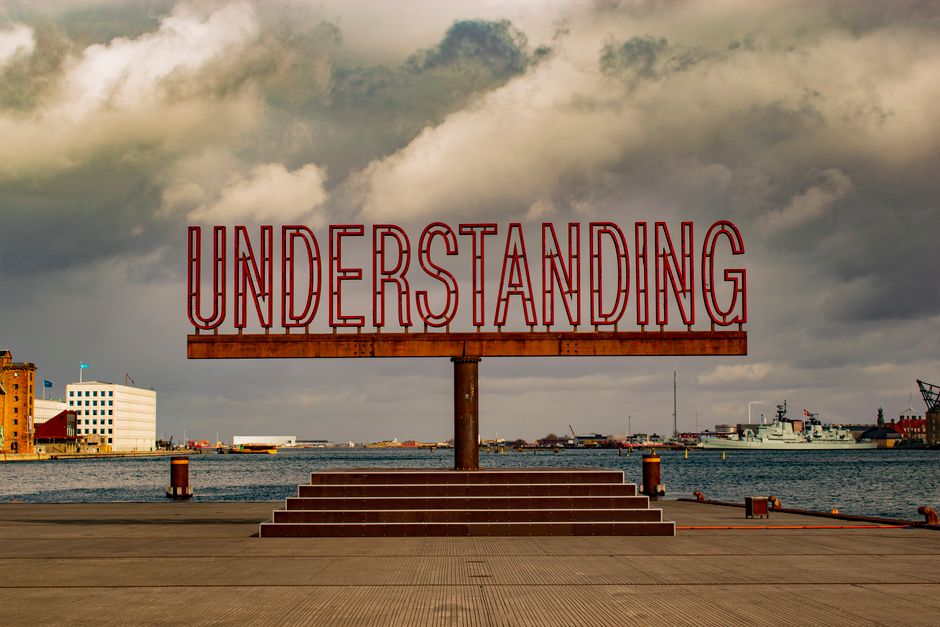
Photo by Zuzana Ruttkayova on Pexels
Every good composition, whether descriptive or not, generally follows a simple flow:
graph TD
    A["Pendahuluan (Introduction)"] --> B["Isi-isi Penting (Main Points)"]
    B --> C["Penutup (Conclusion)"]

    subgraph Pendahuluan
        P1["Menerangkan Latar Belakang (Provide Background)"]
        P2["Menyatakan Skop / Fokus (State Scope/Focus)"]
    end

    subgraph Isi-isi Penting
        I1["Ayat Topik (Topic Sentence)"]
        I2["Ayat Huraian (Elaborating Sentences)"]
        I3["Ayat Contoh (Example Sentences)"]
        I4["Ayat Penegas (Reinforcing Sentence)"]
    end

    subgraph Penutup
        C1["Rumusan (Summary)"]
        C2["Cadangan / Harapan (Suggestions/Hopes)"]
    end

    A --> P1
    A --> P2
    B --> I1
    B --> I2
    B --> I3
    B --> I4
    C --> C1
    C --> C2
- Pendahuluan (Introduction): This is where you grab the reader's attention and introduce the topic. You want to set the stage and give a hint of what's to come.
- Isi-isi Penting (Main Points): These are the body paragraphs where you develop your ideas. Each paragraph should focus on one main point, supported by details, examples, and explanations.
- Penutup (Conclusion): Here, you summarize your main ideas and offer a final thought, suggestion, or hope. Don't introduce new information here.
2.2 The Art of Descriptive Writing (Penulisan Deskriptif)

Photo by cottonbro studio on Pexels
Descriptive writing aims to create a vivid picture in the reader's mind using sensory details. You want your reader to see, hear, smell, taste, and feel what you're describing.
- Show, Don't Tell: Instead of saying "the weather was hot," describe the sweat, the shimmering air, or the wilting plants.
- Telling: "Cuaca sangat panas." (The weather was very hot.)
- Showing: "Bahang mentari membakar kulit, membuat peluh membasahi seluruh tubuh. Udara terasa berat, dan daun-daun di pokok kelihatan layu tak bermaya." (The sun's heat scorched the skin, making sweat drench the entire body. The air felt heavy, and the leaves on the trees looked wilted and lifeless.)
- Sensory Details: Engage all five senses.
- Sight (Penglihatan): Colors, shapes, sizes, movement. "Langit biru jernih dihiasi awan putih gebu." (The clear blue sky adorned with fluffy white clouds.)
- Sound (Pendengaran): Noises, voices, music. "Desiran ombak memukul pantai, diselang-seli kicauan burung camar." (The rustle of waves hitting the shore, interspersed with seagull cries.)
- Smell (Bau): Aromas, scents, odors. "Haruman kopi panas menusuk hidung, bercampur bau wangi bunga melur." (The aroma of hot coffee pierced the nose, mixed with the fragrant scent of jasmine flowers.)
- Taste (Rasa): Flavors, textures. "Kemasan manis madu pada kuih, disusuli rasa kenyal pulut." (The sweet finish of honey on the cake, followed by the chewy texture of glutinous rice.)
- Touch (Sentuhan): Textures, temperatures, feelings. "Permukaan meja yang kasar, berlawanan dengan kelembutan kain sutera." (The rough surface of the table, contrasting with the softness of silk fabric.)
- Figurative Language (Bahasa Kiasan): Use similes (perumpamaan), metaphors (metafora), and personification (personifikasi) to make your descriptions more impactful.
- Simile: "Suaranya merdu seperti buluh perindu." (Her voice was melodious like a flute.)
- Metaphor: "Dia adalah singa di gelanggang." (He is a lion in the arena.)
- Personification: "Angin membisikkan rahsia malam." (The wind whispered the night's secrets.)
- Adjectives & Adverbs (Kata Adjektif & Kata Keterangan): Choose strong, specific words to modify nouns and verbs. Instead of "jalan cepat," try "berlari pantas" (ran swiftly).
3. Worked Example
Let's try to describe a simple scene: "A busy market in the morning."
Original (Simple):
"Pagi itu pasar sibuk. Banyak orang membeli barang. Bunyi bising dan ada banyak bau."
Improved (Descriptive):
"Sebelum mentari muncul sepenuhnya di ufuk timur, Pasar Besar sudah pun hidup dengan denyut nadi kesibukan. Kelihatan para peniaga berteriak memanggil pelanggan, suara mereka bercampur baur dengan hilai tawa pembeli dan gemersik duit syiling yang bertukar tangan. Udara dipenuhi gabungan haruman rempah ratus, kesegaran ikan yang baru tiba, dan manisnya buah-buahan tempatan, mencipta aroma unik yang menusuk hidung. Lantai yang basah menampakkan pantulan cahaya lampu kalimantang, manakala raga-raga berisi sayur-sayuran hijau pekat dan buah-buahan merah merekah disusun rapi, menunggu untuk dipinang. Setiap sudut pasar memancarkan kehidupannya sendiri, seolah-olah sebuah orkestra yang sedang mempersembahkan simfoni pagi."
Notice how the improved version uses sensory details (sight, sound, smell), stronger verbs ("berteriak," "menusuk"), and comparisons ("seolah-olah sebuah orkestra") to paint a much clearer and more engaging picture.
4. Key Takeaways
- Every good composition has an introduction, main points, and a conclusion.
- Descriptive writing uses sensory details to "show" rather than "tell."
- Engage all five senses (sight, sound, smell, taste, touch) in your descriptions.
- Use figurative language like similes and metaphors to add depth.
- Choose specific and strong adjectives and adverbs to enhance your writing.
- Plan your points before you start writing to ensure a logical flow.
- A strong opening grabs attention, and a good conclusion leaves a lasting impression.
5. Now Try It
Choose a familiar object or place (e.g., your school canteen, your bedroom, a pet) and write a short descriptive paragraph (about 5-7 sentences) about it in Malay. Focus on using at least three different sensory details and try to incorporate one simile or metaphor. Success means your description makes a reader feel like they're right there, experiencing it, even if they've never seen it before.
Frequently asked about Introduction to Malay Composition and Descriptive Writing
Study this next
Get the full malay composition curriculum
Clone the complete plan to your dashboard for unlimited AI-generated notes, practice quizzes, and a personalised revision schedule.
Create Free Account