Paragraph Development and Descriptive Writing
From the english curriculum
Paragraph Development and Descriptive Writing
TL;DR
Developing paragraphs means making sure each one has a clear main idea and enough details to support it. Descriptive writing uses vivid language to help your reader imagine what you're describing. Together, these skills make your writing clearer, more engaging, and easier to understand.
1. The Mental Model
Think of a paragraph as a mini-essay: it has one main point, and everything inside it works to explain or show that point. Descriptive writing is like painting with words; you're giving your reader a picture, not just telling them facts.
2. The Core Material
Paragraphs aren't just random groups of sentences; they're organized units of thought. When you develop a paragraph, you're building out a single idea with support.
The Topic Sentence: Your Paragraph's GPS
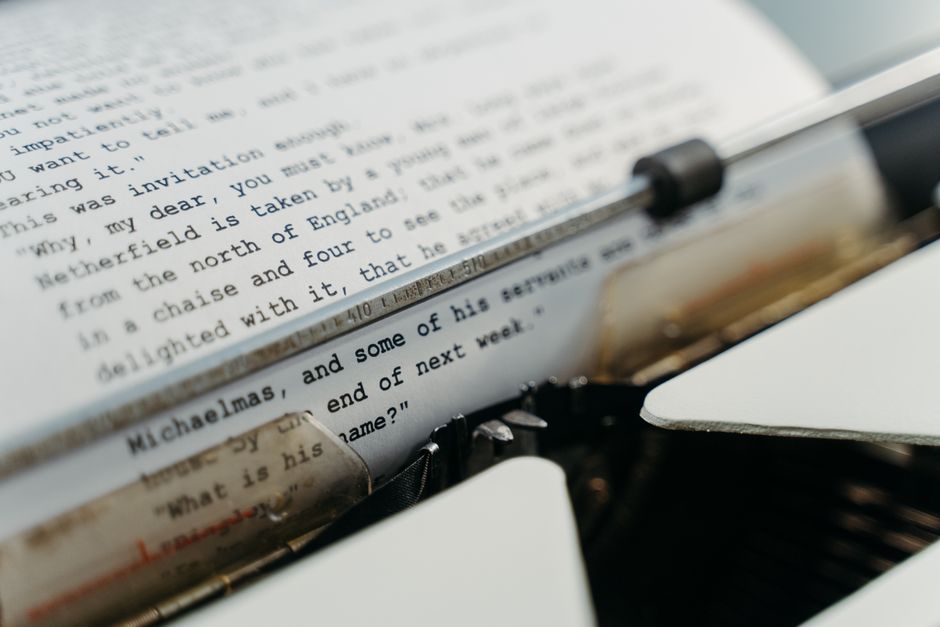
Photo by Tima Miroshnichenko on Pexels
Every good paragraph starts with a topic sentence. This sentence introduces the main idea of the paragraph. It's like the GPS for your reader, telling them exactly where this paragraph is going. Without it, your reader might get lost.
- Example: "The old lighthouse stood as a lonely sentinel against the relentless sea." (This tells us the paragraph will describe the lighthouse and its setting.)
Supporting Details: Building the Picture

Photo by Jan van der Wolf on Pexels
After your topic sentence, you need to develop it with supporting details. These details can be:
* Facts/Examples: Concrete information to prove your point.
* Descriptions: Sensory details (sight, sound, smell, touch, taste) that paint a picture.
* Explanations: Clarifying what your point means or why it's important.
* Analysis: Breaking down your point into smaller parts.
You want enough detail to make your point clear and convincing, but not so much that you bore your reader or stray from your main idea.
Concluding Sentence: Tying it Up

Photo by Ann H on Pexels
Often, a paragraph ends with a concluding sentence. This sentence wraps up the idea, sometimes by rephrasing the topic sentence or offering a final thought related to the paragraph's main point. It helps provide a sense of completeness.
Descriptive Writing: Engaging the Senses

Photo by cottonbro studio on Pexels
Descriptive writing is all about making your reader experience what you're writing about. You do this by using:
- Sensory details: What does it look, sound, smell, taste, or feel like?
- Figurative language: Similes (using "like" or "as"), metaphors (direct comparison), personification (giving human qualities to non-human things).
- Precise verbs and adjectives: Instead of "walked," try "shuffled" or "strode." Instead of "nice," try "gleaming" or "cozy."
Think about showing, not just telling. Instead of "The room was messy," try "Clothes lay strewn across the floor like discarded autumn leaves, and a faint, stale odor of forgotten pizza lingered in the air."
Here's how a descriptive paragraph often flows:
graph TD
    A["Topic Sentence: Main idea of paragraph"] --> B["Sensory Detail 1 (e.g., Sight)"];
    B --> C["Sensory Detail 2 (e.g., Sound)"];
    C --> D["Figurative Language (Simile/Metaphor)"];
    D --> E["Specific Action/Emotion"];
    E --> F["Concluding Thought/Impact"];
3. Worked Example
Let's develop a paragraph describing a bustling morning market.
Initial thought: The market was busy.
Applying the concepts:
-
Topic Sentence: "The city's morning market was a vibrant symphony of sights, sounds, and smells." (Sets up the sensory experience)
-
Supporting Details (Sensory/Figurative):
- Sight: "Stalls overflowed with pyramids of ruby-red apples and emerald-green lettuces."
- Sound: "The air buzzed with the rhythmic calls of vendors, hawking their wares, blending with the cheerful chatter of shoppers."
- Smell: "A rich aroma of freshly baked bread mingled with the sharp tang of exotic spices and the earthy scent of damp soil."
- Figurative Language: "Sunlight, still pale, sliced through the awnings like golden knives, illuminating dust motes dancing in the cool air."
- Action/Feeling: "Children, clutched by their parents, pointed at shimmering fish, their eyes wide with wonder, while merchants expertly weighed produce with practiced hands."
-
Concluding Sentence: "This daily ritual transformed the drab pavement into a living, breathing spectacle of commerce and community."
Full Developed Paragraph:
"The city's morning market was a vibrant symphony of sights, sounds, and smells. Stalls overflowed with pyramids of ruby-red apples and emerald-green lettuces, while bouquets of sunflowers stood tall, their heads like miniature suns. The air buzzed with the rhythmic calls of vendors, hawking their wares, blending with the cheerful chatter of shoppers bartering for the best prices. A rich aroma of freshly baked bread mingled with the sharp tang of exotic spices and the earthy scent of damp soil after a morning shower. Sunlight, still pale, sliced through the awnings like golden knives, illuminating dust motes dancing in the cool air. Children, clutched by their parents, pointed at shimmering fish, their eyes wide with wonder, while merchants expertly weighed produce with practiced hands. This daily ritual transformed the drab pavement into a living, breathing spectacle of commerce and community."
4. Key Takeaways
- Every paragraph needs a clear topic sentence to guide the reader.
- Support your main idea with enough specific details, examples, or explanations.
- Use sensory details (sight, sound, smell, touch, taste) to make your descriptions vivid.
- Employ figurative language like similes and metaphors to create stronger images.
- Choose precise verbs and adjectives instead of vague, general words.
Common Mistakes to Avoid:
* "Paragraph dumping": Writing one long paragraph that covers too many ideas. Break it up!
* Lack of topic sentences: Leaving your reader guessing what the paragraph is about.
* Vague descriptions: Using general terms ("It was nice") instead of specific, sensory language.
* Unsupported claims: Stating something without providing any evidence or explanation.
* Repetition: Saying the same thing in slightly different ways without adding new information.
5. Now Try It
Choose a familiar object or place (e.g., your favorite coffee shop, an old chair, a busy intersection). Write one paragraph describing it, focusing on developing your main idea with at least three different sensory details and one piece of figurative language. Your success looks like a paragraph with a clear topic sentence, specific and engaging descriptions, and a sense of completeness.
Frequently asked about Paragraph Development and Descriptive Writing
Study this next
Get the full english curriculum
Clone the complete plan to your dashboard for unlimited AI-generated notes, practice quizzes, and a personalised revision schedule.
Create Free Account