Introduction to Economics and Scarcity
From the Economic curriculum
Introduction to Economics and Scarcity
TL;DR
Economics studies how societies manage scarcity, the fundamental problem that human wants exceed available resources. Because of scarcity, you always face trade-offs and must make choices. These choices have a cost, known as opportunity cost, which is the value of the next best alternative you give up.
1. The Mental Model
Think of economics as the study of how people, businesses, and governments make choices when they can't have everything they want. It's all about deciding what to produce, how to produce it, and for whom, given limited resources.
2. The Core Material
What is Scarcity?

Photo by K on Pexels
Scarcity is the basic economic problem. It means that there aren't enough resources (like time, money, land, or labor) to satisfy all human wants and needs. It's not about being poor; even the wealthiest people face scarcity because their time is limited.
Resources (Factors of Production)
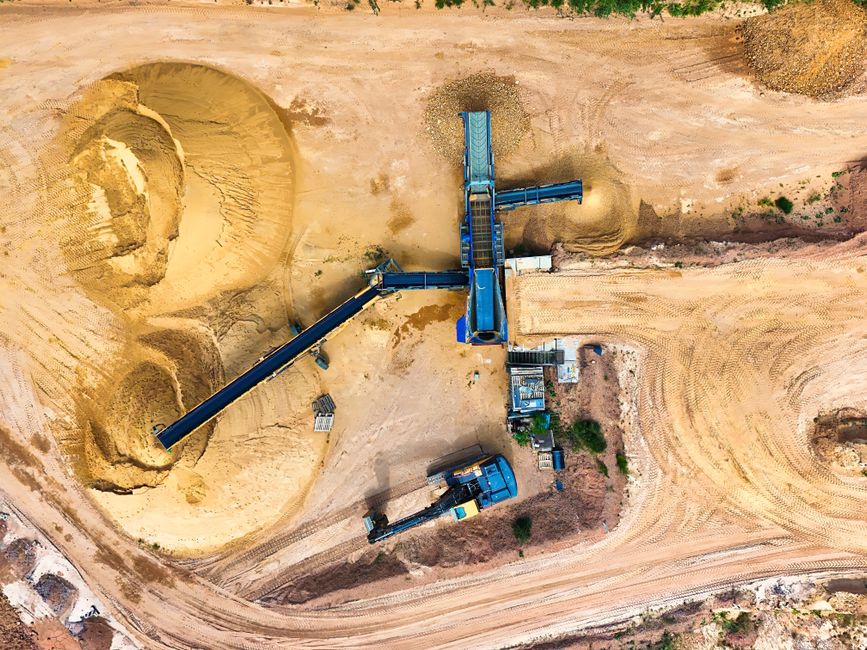
Photo by Volker Braun on Pexels
To produce goods and services, we need resources. Economists group these into four main categories:
1. Land: Natural resources (e.g., oil, timber, water, actual land).
2. Labor: The effort and time people put into production.
3. Capital: Human-made resources used to produce other goods and services (e.g., factories, machines, tools). This is NOT money, but rather the physical assets.
4. Entrepreneurship: The ability to combine the other three resources, innovate, and take risks.
The Problem of Choice and Trade-offs

Photo by StockRadars Co., on Pexels
Because of scarcity, you can't have everything. This forces you to make choices. Every choice involves a trade-off, meaning you have to give up something to get something else. For example, if you choose to study for an economics exam, you're giving up time you could have spent watching a movie.
Opportunity Cost

Photo by Kindel Media on Pexels
The most important concept in understanding choices is opportunity cost. This is the value of the next best alternative that you give up when you make a choice. It's not just the money you spend; it's what you could have done instead.
Let's visualize how scarcity leads to choices and opportunity costs:
graph TD
    A["Human Wants > Resources"] --> B["Scarcity"]
    B --> C["Need to Make Choices"]
    C --> D["Trade-offs (Give up something to get something else)"]
    D --> E["Opportunity Cost (Value of the next best alternative forgone)"]
Basic Economic Questions
Every society, no matter its wealth or political structure, must answer these three fundamental questions due to scarcity:
1. What to produce? (e.g., more food or more weapons? More education or more healthcare?)
2. How to produce? (e.g., by hand or by machine? Using lots of labor or lots of capital?)
3. For whom to produce? (e.g., who gets the goods and services? The rich, the poor, or everyone equally?)
3. Worked Example
Imagine you have \$10 and two options for how to spend your Friday night:
1. Go to the movies, which costs \$10 for a ticket.
2. Buy a new book, which also costs \$10.
You choose to go to the movies.
- Your choice: Going to the movies.
- The trade-off: You give up the book to see the movie.
- Your opportunity cost: The new book you could have bought. If the book was your next favorite option after the movie, then the satisfaction (or knowledge) you would have gained from reading that book is the opportunity cost. It's not the \$10, but what the \
Frequently asked about Introduction to Economics and Scarcity
Study this next
Get the full Economic curriculum
Clone the complete plan to your dashboard for unlimited AI-generated notes, practice quizzes, and a personalised revision schedule.
Create Free Account