Introduction to Economic Choices and Scarcity
From the economics curriculum
Introduction to Economic Choices and Scarcity
TL;DR
Economics is all about how people make choices when they can't have everything they want. Scarcity means resources are limited, forcing us to decide how to best use them. These choices have trade-offs, where picking one thing means giving up another.
1. The Mental Model
Imagine you have a limited amount of time, money, or resources. Every decision you make about using those resources means you're giving up the chance to use them for something else. This fundamental tension between limited resources and unlimited wants drives all economic thinking.
2. The Core Material
At its heart, economics is the study of scarcity and its implications for resource allocation. Scarcity isn't just about being poor; it means that there simply aren't enough resources to satisfy all human wants at zero cost. Even the wealthiest person faces scarcity of time.
Scarcity and Choice
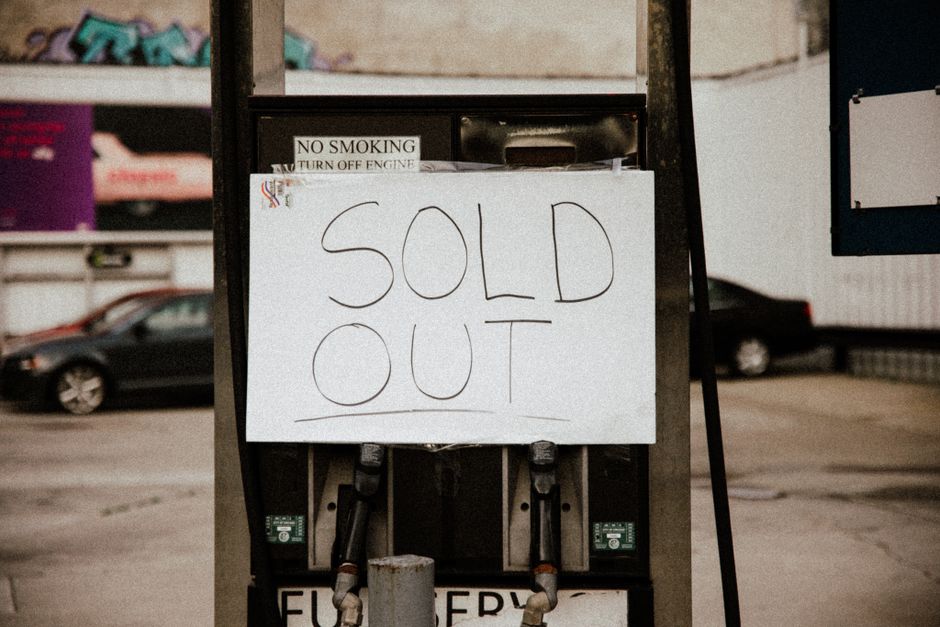
Photo by K on Pexels
Because resources are scarce, you're constantly forced to make choices. Every choice has a cost, not just in money, but in what you give up.
Opportunity Cost
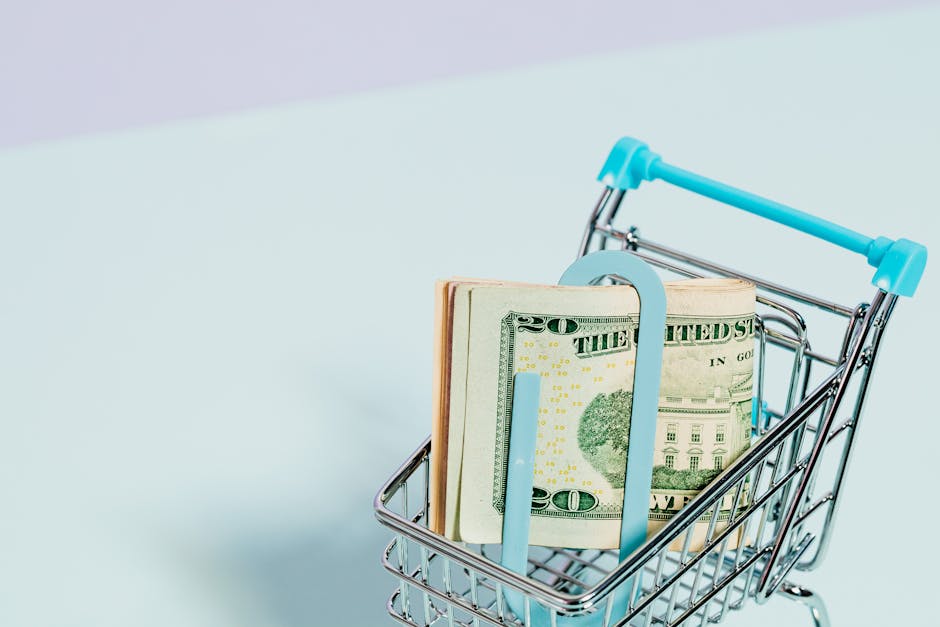
Photo by https://kaboompics.com/ on Pexels
The concept of opportunity cost is crucial. It's the value of the next best alternative that you didn't choose when you made a decision. It's what you forgo to get something else. For example, if you spend an hour studying economics, the opportunity cost might be the hour you could have spent watching a movie or working to earn money.
Factors of Production
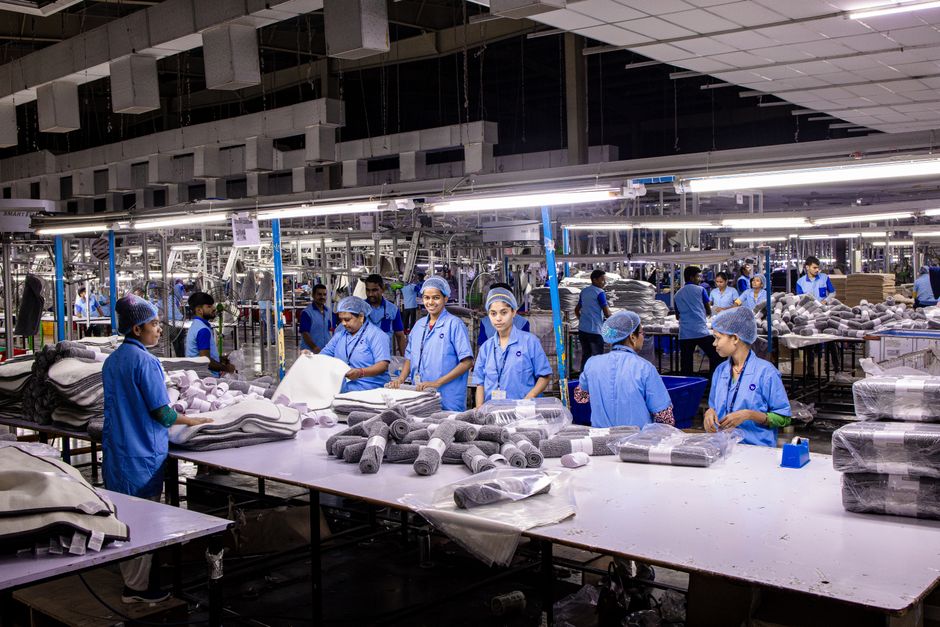
Photo by EqualStock IN on Pexels
The resources we use to produce goods and services are called factors of production. These are generally categorized as:
* Land: Natural resources (e.g., actual land, oil, water, minerals).
* Labor: Human effort, both physical and mental.
* Capital: Man-made resources used in production (e.g., machinery, factories, computers, roads). Financial capital (money) isn't capital in this context, but rather a means to acquire real capital.
* Entrepreneurship: The ability to combine the other factors of production, innovate, and take risks.
Production Possibilities Frontier (PPF)
Photo by Felix-Antoine Coutu on Pexels
The Production Possibilities Frontier (PPF), also known as the Production Possibilities Curve (PPC), illustrates the concepts of scarcity, choice, and opportunity cost. It shows the maximum possible output combinations of two goods or services that an economy can achieve when all resources are fully and efficiently employed.
Here's how a PPF works:
graph TD
    A["Limited Resources"] --> B["Unlimited Wants"]
    B --> C{"Choice Must Be Made"}
    C -- "What is given up?" --> D["Opportunity Cost"]
    D --> E["Scarcity Reinforces Choices"]
    C -- "How resources are used?" --> F["Resource Allocation"]
- Points on the PPF: These represent efficient production, meaning all resources are fully utilized.
- Points inside the PPF: These represent inefficient production or underutilization of resources.
- Points outside the PPF: These are currently unattainable with existing resources and technology.
- Movement along the PPF: This demonstrates trade-offs. To produce more of one good, you must produce less of another. The slope of the PPF represents the opportunity cost. If the PPF is curved outwards (bowed out), it indicates increasing opportunity cost, meaning that as you produce more of one good, the amount of the other good you must give up increases.
3. Worked Example
Let's say a small island nation can produce only two things: coconuts and fish.
- If they put all their resources (land, labor, capital) into fishing, they can catch 100 fish per day, but zero coconuts.
- If they put all their resources into coconut harvesting, they can get 50 coconuts per day, but zero fish.
- If they divide their resources, they might be able to get 80 fish and 30 coconuts. Or 50 fish and 45 coconuts.
Let's plot this on a simple PPF:
| Fish (units) | Coconuts (units) |
|---|---|
| 100 | 0 |
| 80 | 30 |
| 50 | 45 |
| 0 | 50 |
Scenario: Suppose the island is currently producing 80 fish and 30 coconuts. If they decide they want to produce 15 more coconuts (moving from 30 to 45), what's the opportunity cost?
Looking at the table, to get those 15 extra coconuts (30 -> 45), they have to give up 30 fish (80 -> 50). So, the opportunity cost of those 15 extra coconuts is 30 fish.
If they were instead producing 50 fish and 45 coconuts, and wanted to get 5 more coconuts (reaching 50 total), they'd have to give up all 50 fish. This illustrates increasing opportunity cost – as you specialize more in one good, the cost of producing even more of it tends to rise.
4. Key Takeaways
- Scarcity is the fundamental economic problem: human wants are unlimited, but resources are limited.
- Because of scarcity, every individual and society must make choices.
- Opportunity cost is the value of the best alternative forgone when a choice is made.
- The four factors of production are land, labor, capital, and entrepreneurship.
- The Production Possibilities Frontier (PPF) graphically shows the trade-offs and maximum output combinations of goods given scarce resources.
Common mistakes to avoid:
* Confusing scarcity with poverty; even rich people face scarcity (e.g., time).
* Ignoring opportunity cost; always think about what you're giving up.
* Thinking "capital" only means money; in economics, it's about tools and equipment.
* Believing that a point inside the PPF is impossible; it just means resources aren't fully or efficiently used.
5. Now Try It
Think about a personal decision you made recently, like choosing what to do after school or how to spend a weekend. Identify the scarce resource(s) involved (e.g., time, money, energy), the choice you made, and what the opportunity cost of that choice was. Write down these three elements and explain briefly why your chosen alternative was the "next best."
Frequently asked about Introduction to Economic Choices and Scarcity
Study this next
Get the full economics curriculum
Clone the complete plan to your dashboard for unlimited AI-generated notes, practice quizzes, and a personalised revision schedule.
Create Free Account