Foundational Principles and Body Conditioning
From the Litvin dance curriculum
Foundational Principles and Body Conditioning
TL;DR
Litvin Dance is built on core principles of alignment, muscle engagement, and breathwork to ensure efficient, safe movement. You'll condition your body with specific exercises to strengthen these principles. Mastering these basics prevents injury and allows for more complex dance movements.
1. The Mental Model
Think of your body as a finely tuned instrument. Litvin Dance teaches you how to understand its mechanics, how to stabilize it, and how to use your breath to unlock its full potential for fluid, powerful movement.
2. The Core Material
To dance well and safely, you need to understand how your body is meant to move and how to prepare it. This involves three key areas: alignment, muscle engagement, and breathwork.
Alignment: Your Blueprint for Movement
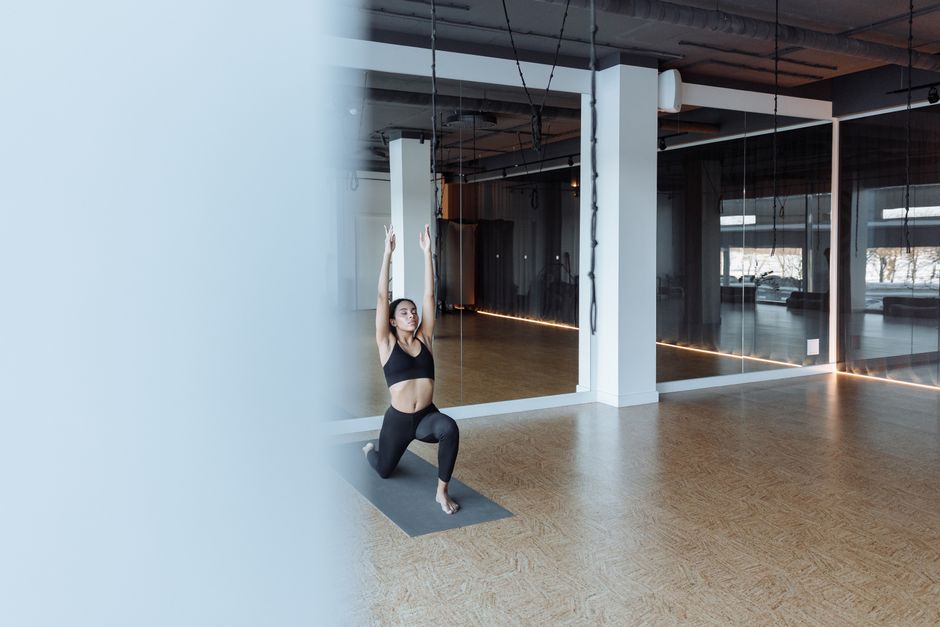
Photo by Thirdman on Pexels
Alignment is about stacking your body correctly. Imagine a plumb line running from your earlobe, through your shoulder, hip, knee, and ankle. When you're aligned, gravity helps you, rather than working against you.
- Neutral Spine: This isn't flat, it's a gentle S-curve. Your lower back shouldn't be overly arched or totally flat.
- Pelvic Stability: Your pelvis should be level, like a bowl of water you don't want to spill. Avoid tilting it forward (anterior tilt) or backward (posterior tilt).
- Shoulder Placement: Shoulders down and back, not hunched up by your ears or rounded forward.
- Head Position: Your head balances directly over your spine, not jutting forward.
Muscle Engagement: Smart Strength
Photo by Juçanã Girardi Maximiliano on Pexels
It's not just about strong muscles, but about using the right muscles at the right time.
- Core Engagement: This isn't just your abs! It includes deep abdominal muscles (like your transverse abdominis), your pelvic floor, and muscles supporting your spine. Think of cinching a corset gently, rather than just crunching.
- Glute Activation: Your glutes are powerful. Learning to engage them properly protects your back and powers your leg movements.
- Scapular Stability: The muscles around your shoulder blades help stabilize your upper body and allow for free arm movement without shoulder strain.
Breathwork: The Power Source

Photo by ArtHouse Studio on Pexels
Breath is often overlooked but is fundamental to dance. It powers your movements, helps you relax, and increases stamina.
- Diaphragmatic Breathing: Breathe deeply into your belly, expanding your rib cage outwards, rather than just shallowly into your chest. This engages your diaphragm, which helps stabilize your core.
- Breath-Movement Connection: Learn to coordinate your breath with your movement. Inhale to prepare, exhale on exertion.
Here's a simple flow of how these principles build on each other:
graph TD
    A["Understand Breathwork"] --> B["Develop Core Engagement"]
    B --> C["Achieve Neutral Alignment"]
    C --> D["Activate Supporting Muscles (e.g., Glutes, Scapular)"]
    D --> E["Execute Efficient, Controlled Movement"]
    E --> F["Prevent Injury & Enhance Performance"]
Body Conditioning: Building Your Foundation

Photo by Tima Miroshnichenko on Pexels
These are exercises specifically designed to train the principles above.
- Pelvic Tilts: Practice gently rocking your pelvis forward and back to find your neutral spine.
- Dead Bugs: Lie on your back, knees bent, feet flat. Engage your core, then slowly extend one arm and the opposite leg without letting your back arch. This builds core stability.
- Bird-Dog: On hands and knees, extend one arm and the opposite leg, keeping your back flat and core engaged. Similar to dead bugs, but challenges balance more.
- Glute Bridges: Lie on your back, knees bent, feet flat. Lift your hips off the floor, squeezing your glutes at the top. Keep your core engaged to avoid arching your lower back.
- Scapular Retractions: Stand or sit tall, gently pull your shoulder blades together and down your back.
3. Worked Example
Let's apply these principles to a simple standing posture, like preparing for a plié.
- Start with Breathwork: Stand with your feet hip-width apart. Take a deep, diaphragmatic breath, feeling your belly expand, then slowly exhale, feeling your waist gently cinch in. Don't lift your shoulders.
- Find Neutral Pelvis: Place your hands on your hip bones. Gently rock your pelvis forward and back a few times. Find the sweet spot where your hips feel level and your lower back has a natural curve, not overly arched or flattened.
- Engage Core: Once your pelvis is neutral, gently draw your navel towards your spine, as if you're zipping up a tight pair of pants. This isn't a hard squeeze, just a gentle engagement to stabilize your trunk.
- Align Upper Body: Stack your shoulders over your hips, letting them drop away from your ears. Your head should float directly over your spine, eyes looking forward.
- Subtle Glute Engagement: Imagine a gentle squeeze of your glutes – just enough to feel grounded and stable, not a clenched contraction.
- Ready for Plié: Now, from this aligned, engaged, and breathing position, you're prepared to bend your knees (plié) with control and support, rather than just collapsing. Your core will help you maintain your upright posture, and your glutes will assist in the movement and help you push back up.
4. Key Takeaways
- Proper alignment ensures your body works with gravity, not against it, protecting your joints.
- Core engagement is essential for stability and transfers power throughout your body.
- Diaphragmatic breathing improves stamina, focus, and core support.
- Specific conditioning exercises build the strength and awareness needed for dance.
- These foundational principles are integrated into every movement you make in Litvin Dance.
Common Mistakes to Avoid:
- Holding your breath: This creates tension and limits movement.
- Arching your lower back: Often happens when trying to "stand up straight" or during core exercises without proper engagement.
- Shoulders hiking up: Causes neck tension and restricts arm movement.
- Ignoring glute activation: Leads to overworking your quads and lower back issues.
- Rushing conditioning exercises: Focus on quality of movement and muscle engagement over quantity.
5. Now Try It
Spend 15 minutes practicing the "Dead Bug" and "Glute Bridge" exercises. For Dead Bugs, aim for 3 sets of 8-10 repetitions per side, focusing on keeping your lower back pressed to the floor. For Glute Bridges, do 3 sets of 12-15 repetitions, emphasizing a strong glute squeeze at the top without arching your back. Success looks like being able to perform these exercises with stable form, feeling the correct muscles working, and maintaining consistent, deep breathing throughout.
Frequently asked about Foundational Principles and Body Conditioning
Study this next
Get the full Litvin dance curriculum
Clone the complete plan to your dashboard for unlimited AI-generated notes, practice quizzes, and a personalised revision schedule.
Create Free Account