Cash and Receivables Management
From the principal accounting 1 curriculum
Cash and Receivables Management
TL;DR
You'll learn how to effectively manage a business's cash flow and customer invoices to ensure financial stability. This involves balancing liquidity needs with profitability goals. Good management prevents cash shortages and maximizes the collection of money owed to you.
1. The Mental Model
Think of cash as your business's lifeblood, keeping everything running smoothly. Receivables are the promises of future blood, which you need to collect efficiently to keep that lifeblood flowing. Managing them means making sure you have enough cash today while actively pursuing cash that's owed to you.
2. The Core Material
Managing cash and receivables is about optimizing the cash conversion cycle. You want to get cash from sales as quickly as possible and use it wisely.
Cash Management

Photo by Pavel Danilyuk on Pexels
Cash management focuses on ensuring your business has enough cash to operate daily, while also earning a return on any excess cash.
- Why it's important: Prevents insolvency (running out of cash), allows for opportunistic investments, and minimizes idle cash (cash that isn't working for you).
- Key activities:
- Cash Forecasting: Predicting future cash inflows and outflows to anticipate surpluses or shortages.
- Cash Budgeting: Planning how cash will be used over a specific period, often monthly or quarterly.
- Managing Cash Balances: Deciding how much cash to keep on hand versus how much to invest short-term.
- Accelerating Cash Inflows: Strategies like electronic funds transfer (EFT) or lockbox systems to get customer payments faster.
- Controlling Cash Outflows: Techniques like paying bills strategically (not too early, not too late) or using zero-balance accounts.
Receivables Management
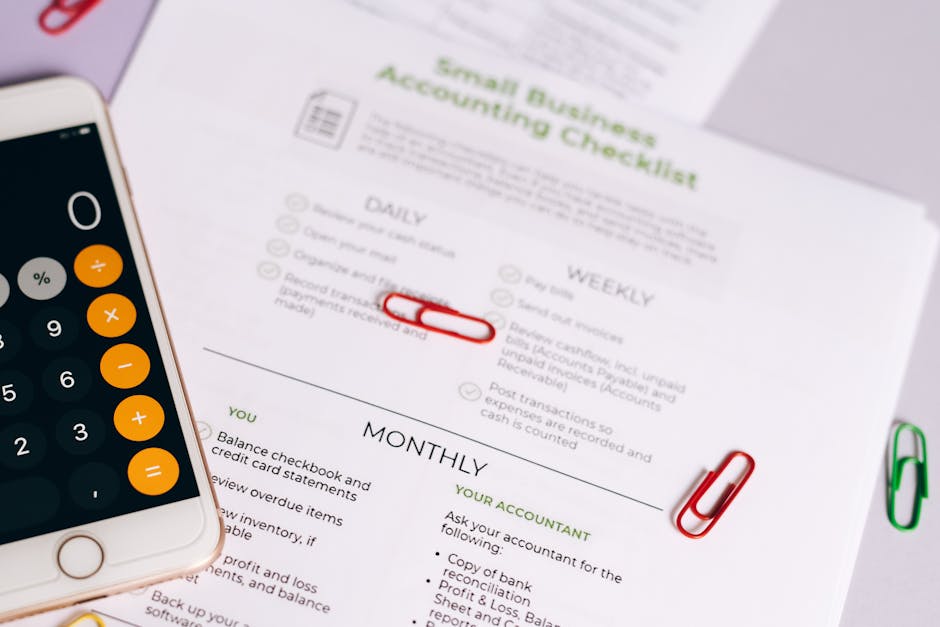
Photo by Leeloo The First on Pexels
Receivables (also called Accounts Receivable) are the amounts owed to your business by customers for goods or services sold on credit.
- Why it's important: Receivables represent future cash. If not collected, they become bad debt, directly impacting your profit. Efficient collection improves cash flow.
- Key activities:
- Setting Credit Policies: Deciding who gets credit, how much, and on what terms (e.g., "Net 30" means payment due in 30 days).
- Credit Analysis: Evaluating a customer's ability to pay before extending credit.
- Invoicing: Generating accurate and timely invoices.
- Monitoring Receivables: Keeping track of who owes what and when it's due.
- Collection Efforts: Following up on overdue accounts. This can range from reminder emails to legal action for very delinquent accounts.
- Bad Debt Management: Accounting for and sometimes writing off receivables that are deemed uncollectible.
The goal is to minimize the time between making a sale and receiving cash for it, without losing valuable customers.
graph TD
    A["Sale on Credit"] --> B["Invoice Customer"]
    B --> C{"Payment Due?"}
    C -- "No, Not Yet" --> B
    C -- "Yes, Due" --> D{"Payment Received?"}
    D -- "Yes, On Time" --> E["Cash Inflow (Successful Collection)"]
    D -- "No, Overdue" --> F["Collection Efforts (Reminders, Calls)"]
    F --> G{"Payment Received After Efforts?"}
    G -- "Yes" --> E
    G -- "No, Still Overdue" --> H["Further Collection / Possible Write-off (Bad Debt)"]
    E --> I["Cash Management (Invest/Spend)"]
    H --> J["Impact on Profitability"]
3. Worked Example
Let's say your small manufacturing business, "MetalCraft," sells custom parts on credit.
- Credit Policy: MetalCraft sets a "Net 30" policy, meaning customers have 30 days to pay after the invoice date. They also perform a quick credit check for new customers on large orders.
- Sale & Invoice: On January 1st, MetalCraft sells $10,000 worth of parts to "AutoFab Inc." The invoice is sent immediately with a due date of January 31st.
- Monitoring: On January 25th, MetalCraft checks its Accounts Receivable aging report. AutoFab's invoice is still open and nearing its due date.
- Collection Effort (Proactive): On January 28th, MetalCraft sends a friendly email reminder to AutoFab about the upcoming due date.
- Payment Received: On January 30th, AutoFab pays the $10,000.
- Cash Management: MetalCraft records the $10,000 cash inflow. They then review their cash budget:
- They have $15,000 in upcoming payroll.
- They have $5,000 in excess cash after payroll.
- They decide to transfer $4,000 of the excess to a short-term savings account earning interest, keeping
Frequently asked about Cash and Receivables Management
More from principal accounting 1
Get the full principal accounting 1 curriculum
Clone the complete plan to your dashboard for unlimited AI-generated notes, practice quizzes, and a personalised revision schedule.
Create Free Account