Introduction to Biological & Chemical Principles
From the photosynthesis,density ions curriculum
Introduction to Biological & Chemical Principles
TL;DR
This note introduces you to the core ideas behind photosynthesis, how things float or sink (density), and what charged atoms (ions) are. Understanding these basics is key to grasping how life works and how chemicals interact. We'll connect these seemingly different ideas to show you how foundational principles underpin biology and chemistry.
1. The Mental Model
Think of biology as a complex machine built from chemical parts. Chemistry is the instruction manual for how those parts behave and interact. Photosynthesis is a chemical reaction that powers much of life, density helps explain physical interactions, and ions are fundamental building blocks of chemical reactions.
2. The Core Material
Photosynthesis: Life's Solar Power Plant
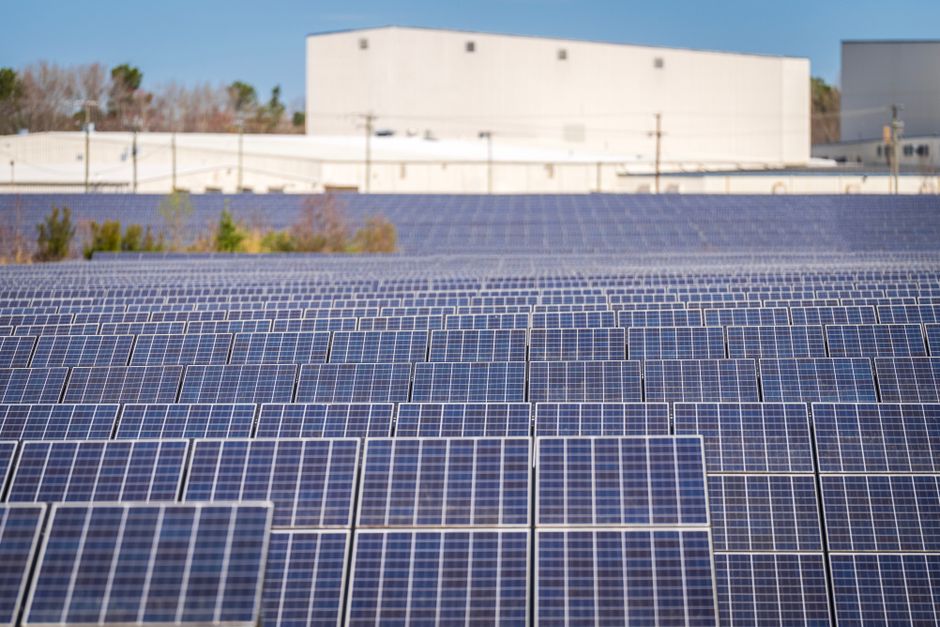
Photo by Mark Stebnicki on Pexels
Photosynthesis is the amazing process plants, algae, and some bacteria use to turn light energy into chemical energy (food!). It's how they make their own sugar, and in doing so, they also release the oxygen we breathe. Essentially, they take in carbon dioxide from the air and water from the ground, then use sunlight to rearrange those atoms into glucose (sugar) and oxygen.
Here's the simplified chemical equation:
6CO₂ (Carbon Dioxide) + 6H₂O (Water) + Light Energy → C₆H₁₂O₆ (Glucose) + 6O₂ (Oxygen)
Density: Why Things Float or Sink
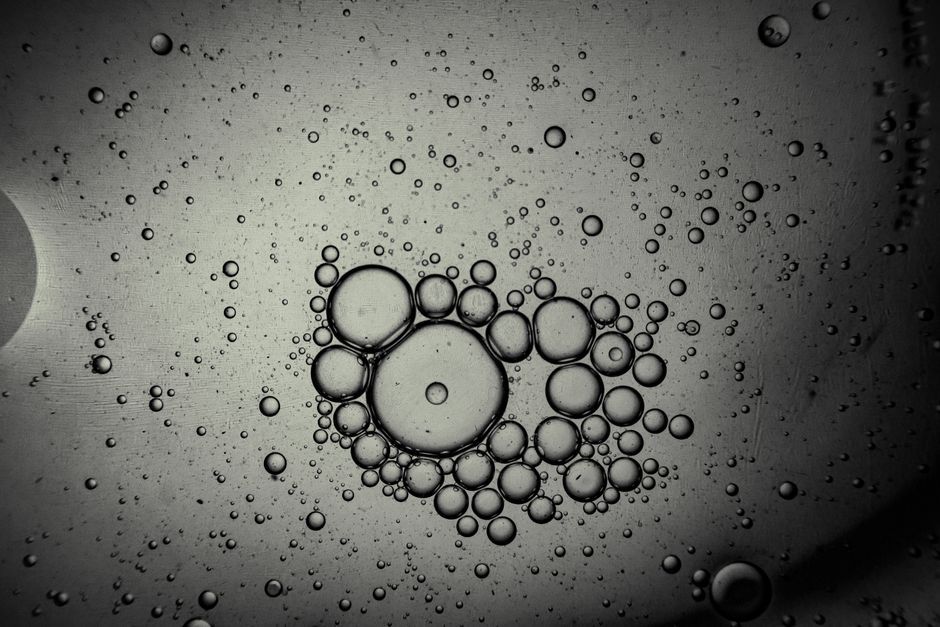
Photo by ManojMk Brucelee on Pexels
Density tells us how much "stuff" (mass) is packed into a certain space (volume). If something is very dense, it has a lot of mass in a small volume. If it's less dense, it has less mass in the same volume. This is why a small rock sinks in water, but a large log floats – the rock is denser than water, while the log (even though it's bigger) is less dense overall.
You calculate density with a simple formula:
Density = Mass / Volume
Imagine you have a block of wood and a block of iron of the exact same size. The iron block will feel much heavier because it's denser. If you put both in water, the wood (less dense than water) floats, and the iron (denser than water) sinks.
graph TD
    Light["Sunlight"] --> Chlorophyll["Chlorophyll (in plant cells)"]
    CarbonDioxide["CO2 (from air)"] --> Leaf["Leaf"]
    Water["H2O (from soil)"] --> Roots["Roots"]
    Leaf --> Chlorophyll
    Roots --> Leaf
    Chlorophyll --> Glucose["Glucose (sugar for plant energy)"]
    Chlorophyll --> Oxygen["O2 (released into air)"]
Ions: Atoms with a Charge

Photo by Steve A Johnson on Pexels
Atoms are the basic building blocks of matter. They have a nucleus (protons and neutrons) and electrons orbiting around it. Normally, an atom has an equal number of protons (positive charge) and electrons (negative charge), making it electrically neutral.
An ion is simply an atom or a molecule that has gained or lost one or more electrons, giving it an overall electrical charge.
* If an atom loses electrons, it becomes positively charged. We call this a cation. For example, sodium (Na) often loses an electron to become Na⁺.
* If an atom gains electrons, it becomes negatively charged. We call this an anion. For example, chlorine (Cl) often gains an electron to become Cl⁻.
These charged particles are incredibly important! They drive chemical reactions, conduct electricity in your body (like nerve signals), and are essential for maintaining proper fluid balance.
3. Worked Example
Let's look at a simple density example. You have a small rock that weighs 150 grams (its mass). When you put it in a measuring cup filled with water, the water level rises by 50 milliliters (this is the rock's volume).
To find the density of the rock:
Density = Mass / Volume
Density = 150 grams / 50 milliliters
Density = 3 grams/milliliter
Since the density of water is approximately 1 gram/milliliter, a rock with a density of 3 g/mL is much denser than water, so it will sink.
4. Key Takeaways
- Photosynthesis uses sunlight, water, and carbon dioxide to create sugar (food) and oxygen.
- Density is a measure of how much mass is packed into a given volume (Mass / Volume).
- Objects denser than the fluid they're in will sink, while less dense objects will float.
- Ions are atoms or molecules that have a net electrical charge due to gaining or losing electrons.
- Cations are positively charged ions (lost electrons), and anions are negatively charged ions (gained electrons).
- These principles are interconnected and fundamental to understanding both living systems and chemical interactions.
Common Mistakes to Avoid:
- Don't confuse mass with density; a large object can be less dense than a small one.
- Forgetting that photosynthesis also produces oxygen, not just sugar.
- Assuming an atom is always neutral; remember ions have a charge.
- Thinking "heavier" means "denser" without considering the object's size.
5. Now Try It
Find a small object around your house (like a toy, a small fruit, or a rock) and a glass of water. First, predict if the object will float or sink based on your intuition. Then, carefully place it in the water. Reflect on why it behaved the way it did based on what you've learned about density.
Frequently asked about Introduction to Biological & Chemical Principles
Study this next
Get the full photosynthesis,density ions curriculum
Clone the complete plan to your dashboard for unlimited AI-generated notes, practice quizzes, and a personalised revision schedule.
Create Free Account