Foundational Meanings of Islam
From the Understanding Islam curriculum
Foundational Meanings of Islam
TL;DR
Islam isn't just a religion; its name literally means "submission" to God's will, emphasizing peace and a way of life. This submission isn't forced, but a conscious, intentional act of devotion. Ultimately, it’s about finding inner peace through aligning your life with divine guidance.
1. The Mental Model
Think of "Islam" not as a label, but as an action: actively choosing to align your will with what God has ordained. This choice brings both inner peace (salam) and integrity to your life.
2. The Core Material
When we talk about "Islam," we're delving into foundational concepts that define the faith. It's more than just a set of beliefs; it's a way of being.
The Linguistic Roots of "Islam"
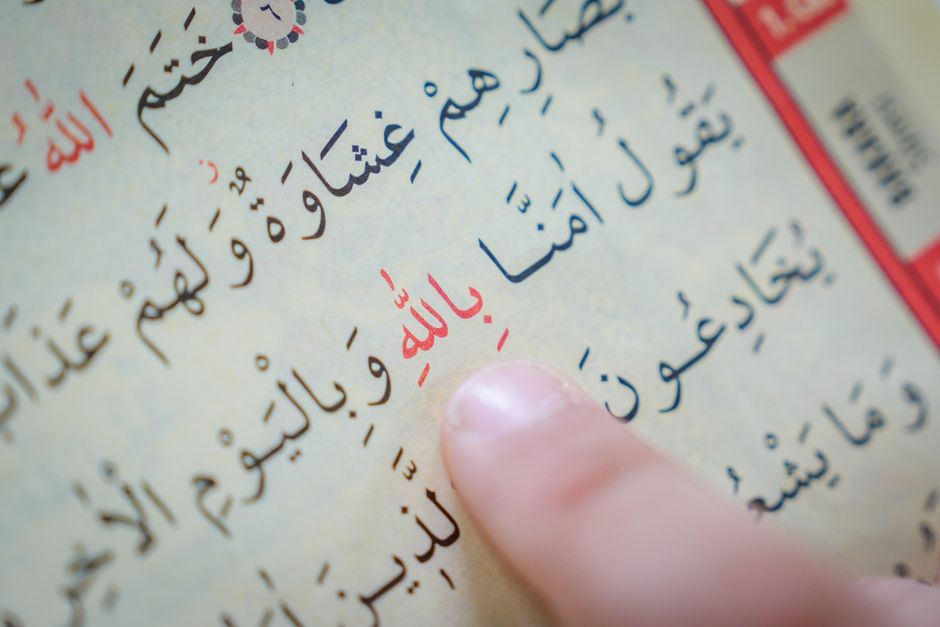
Photo by Şeyhmus Kino on Pexels
The word "Islam" comes from the Arabic root S-L-M (س-ل-م), which is rich with meaning. This root carries implications of:
* Submission/Surrender: This is the most direct and primary meaning. It's about consciously and willingly submitting one's will to the will of God (Allah in Arabic). It's not a forced submission, but a voluntary and deliberate act.
* Peace: The word "Salam" (peace) also derives from this same root. This highlights an intrinsic connection: true peace, both internal and external, is believed to be achieved through sincere submission to God.
* Safety/Security: Another related meaning from the S-L-M root implies safety, security, and well-being. This suggests that alignment with God's will brings a sense of security and protection.
* Wholeness/Soundness: The root also suggests completeness and being sound or free from defects. A person in a state of "Islam" (a Muslim) is seen as someone striving for spiritual wholeness.
So, when someone is described as a "Muslim" (مُسْلِم), it literally means "one who submits" or "one who has surrendered" to God. This isn't just about belief, but about actively orienting one's life.
The Concept of Tawhid
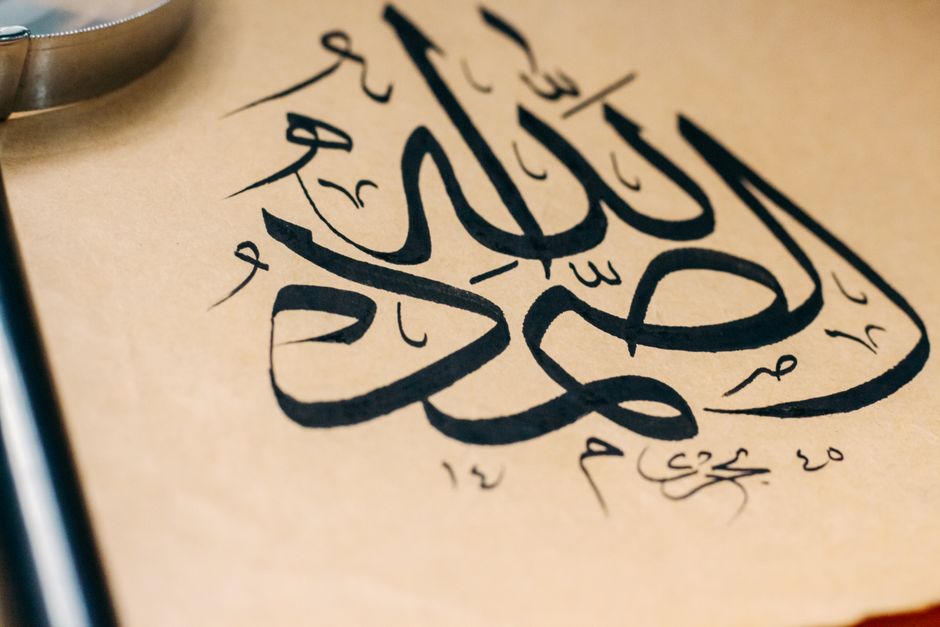
Photo by Sedanur Kunuk on Pexels
Central to Islam is the concept of Tawhid (تَوْحِيد). This means the absolute oneness, uniqueness, and indivisibility of God. It's the belief that there is only one God, who is incomparable and has no partners.
- No partners: God isn't part of a trinity, nor does He have offspring or associates.
- Unique: There's nothing like God; He is utterly transcendent.
- All-powerful, all-knowing: These attributes are unique to this singular God.
Tawhid impacts everything. It means worship should be directed solely to God, and that all actions should ultimately be done for His sake. It’s the fundamental pillar upon which all other beliefs and practices rest.
The Role of Revelation

Photo by Brett Jordan on Pexels
Islam understands itself as a continuation and culmination of earlier revelations sent through various prophets. God communicates His will and guidance to humanity through prophets like Adam, Noah, Abraham, Moses, Jesus, and finally Muhammad (peace be upon them all).
The Qur'an (the holy book of Islam) is considered the final and complete revelation from God, revealed to Prophet Muhammad. It serves as the primary source of guidance, clarifying and confirming earlier messages.
graph TD
    A["Root: S-L-M (س-ل-م)"] --> B["Meanings of Islam"]
    B --> C["Submission / Surrender (to God)"]
    B --> D["Peace (Salam)"]
    B --> E["Safety / Security"]
    B --> F["Wholeness / Soundness"]
    C --> G["Muslim: 'One who submits'"]
    G --> H["Attainment of inner and outer peace"]
    H --> I["Living according to God's will"]
3. Worked Example
Imagine someone who decides to convert to Islam. Their journey isn't just about changing their religious label. It's about fundamentally changing their orientation.
They start by declaring the Shahada, which is the testimony of faith: "Ash-hadu an la ilaha illallah, wa ash-hadu anna Muhammadan rasulullah." This translates to "I bear witness that there is no god but Allah, and I bear witness that Muhammad is His messenger."
This isn't just reciting words; it's an active submission (Islam) to the principle of Tawhid (no god but Allah) and accepting the revelation brought by Muhammad. From this moment, their life ideally shifts towards aligning their actions, prayers, and ethics with what they understand to be God's will, in pursuit of peace and soundness.
4. Key Takeaways
- "Islam" literally means "submission" or "surrender" to God.
- The root word S-L-M also implies peace, safety, and wholeness.
- A "Muslim" is someone who actively and consciously submits to God's will.
- Tawhid, the absolute oneness of God, is the central and foundational concept.
- The Qur'an is seen as the final revelation guiding humanity.
-
Submission is a voluntary act, leading to inner and outer peace.
-
Avoid: Thinking Islam is solely a set of rituals without understanding the underlying spiritual orientation.
- Avoid: Confusing "submission" with coercion; it's meant to be a conscious, willing act.
- Avoid: Believing "Allah" is a different God; it's simply the Arabic word for God.
- Avoid: Reducing Islam to just a cultural identity rather than a spiritual path.
5. Now Try It
Take 15 minutes to reflect on how the concept of "submission to a higher will" (even if you frame it philosophically rather than religiously) might bring peace or order to a chaotic aspect of your own life. What specific actions would that kind of "submission" entail for you? What would success look like if you actually applied that concept to your own challenges?
Frequently asked about Foundational Meanings of Islam
Study this next
Get the full Understanding Islam curriculum
Clone the complete plan to your dashboard for unlimited AI-generated notes, practice quizzes, and a personalised revision schedule.
Create Free Account