The Human Body
From the Science grd 6 curriculum
The Human Body
TL;DR
Your body is an amazing machine made of different systems that work together to keep you alive and moving. Each system has special jobs, like digesting food or helping you breathe, and they all depend on each other. Understanding these systems helps you see how incredible your body is and why it's important to take care of it.
1. The Mental Model
Think of your body as a super-efficient factory. Different departments, called organ systems, handle specific tasks, but they all communicate and cooperate to keep the whole operation running smoothly. If one department has a problem, it can affect others, showing how connected everything is.
2. The Core Material
Your body is incredibly complex, but we can break it down into several main organ systems, each with unique jobs. These systems aren't independent; they constantly interact. For example, your digestive system breaks down food, providing nutrients that your circulatory system then delivers to all your cells. Your skeletal system gives you structure, while your muscular system allows you to move.
Let's look at some key systems:
The Skeletal System
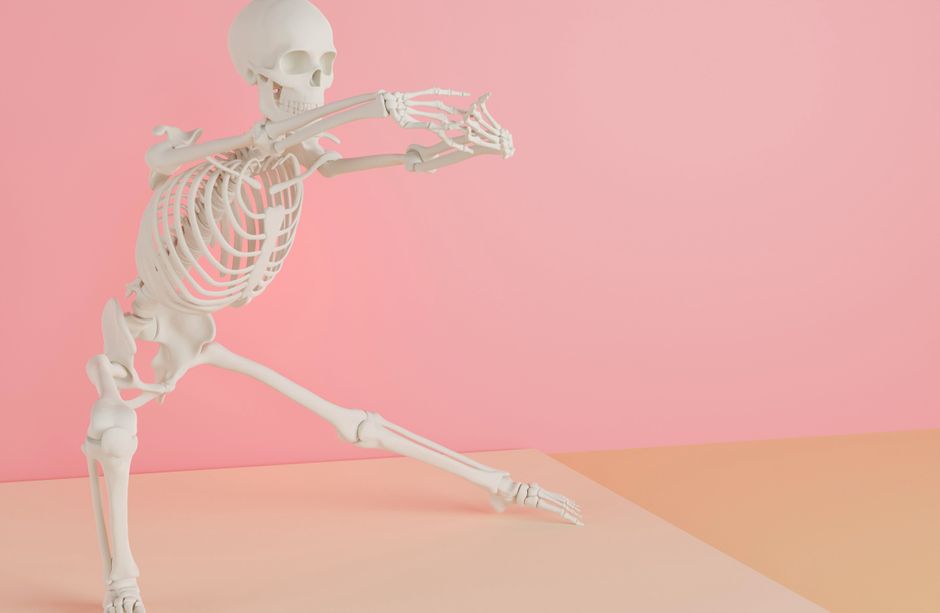
Photo by dada _design on Pexels
This is your body's framework, made of bones, cartilage, ligaments, and tendons. It supports your body, protects your organs (like your brain and heart), and allows you to move. Bones also produce blood cells and store important minerals like calcium.
The Muscular System

Photo by Tara Winstead on Pexels
Working with your skeletal system, your muscles allow you to move, lift things, and even make facial expressions. There are three types of muscles: skeletal (which you control, like in your arms and legs), smooth (which you don't control, like in your stomach), and cardiac (your heart muscle, which also works automatically).
The Circulatory System (Cardiovascular System)

Photo by Los Muertos Crew on Pexels
This system is like your body's transportation network. It's made up of your heart, blood vessels (arteries, veins, and capillaries), and blood. Its main job is to carry oxygen and nutrients to all your cells and to remove waste products like carbon dioxide.
The Respiratory System

Photo by cottonbro studio on Pexels
This system is responsible for breathing. It includes your nose, throat, windpipe (trachea), and lungs. When you breathe in, your lungs take in oxygen. When you breathe out, they release carbon dioxide, a waste gas.
The Digestive System
Starting from your mouth and ending with the anus, this system breaks down the food you eat into nutrients your body can use for energy, growth, and repair. Key organs include the esophagus, stomach, small intestine, and large intestine.
The Nervous System
This is your body's control center and communication network. It includes your brain, spinal cord, and all the nerves throughout your body. It receives information from your senses, processes it, and sends signals that tell your body what to do.
Here's a diagram showing how some of these major systems connect:
graph TD
    A["Brain (Nervous System)"] --> B["Muscles (Muscular System)"]
    A --> C["Lungs (Respiratory System)"]
    A --> D["Heart (Circulatory System)"]
    E["Food Intake (Digestive System)"] --> F["Nutrients Absorbed"]
    F --> D
    D --> G["Body Cells (receive O2 & nutrients)"]
    G --> D
    D --> C
    H["Bones (Skeletal System)"] --> B
    C --> A
    D --> A
The Excretory System (Urinary System)
This system filters waste products from your blood and removes them from your body. Your kidneys are super important here, producing urine that's stored in the bladder and then expelled.
The Endocrine System
This system produces hormones, which are chemical messengers that control many body functions, including growth, metabolism, and mood. Glands like the thyroid, pancreas, and adrenal glands are part of this system.
3. Worked Example
Imagine you're running to catch a ball.
- Nervous System: Your eyes (part of the nervous system) see the ball. Your brain processes this information and sends signals to your muscles.
- Muscular System: Your leg muscles contract and relax, allowing you to run. Your arm muscles prepare to catch the ball.
- Skeletal System: Your bones provide the structure for your muscles to pull on, letting you move your limbs.
- Respiratory System: As you run, your body needs more oxygen. You breathe faster and deeper, bringing more air into your lungs.
- Circulatory System: Your heart beats faster, pumping oxygen-rich blood from your lungs to your working muscles and taking carbon dioxide away.
All these systems are working together instantly to help you catch that ball!
4. Key Takeaways
- Your body is organized into different organ systems, each with specific roles.
- These systems don't work alone; they constantly interact and depend on each other.
- The skeletal system provides support and protection, while the muscular system enables movement.
- The circulatory system transports vital substances, and the respiratory system handles breathing.
- Your digestive system processes food, and the nervous system is your body's communication network.
Common mistakes to avoid:
- Thinking that each system works entirely on its own without needing others.
- Forgetting that protecting one system (like your bones) affects other systems too.
- Underestimating how much your body relies on good nutrition for all systems to function.
- Not realizing that small habits, like getting enough sleep, impact your body's entire factory.
5. Now Try It
For 15 minutes, pick one common daily activity, like eating lunch or walking to school. Try to identify at least three different organ systems that are working together during that activity. For each system, describe briefly what its role is in that specific action. For example, if you choose "eating lunch," you might think about how your digestive system starts, but also how your muscular system helps you chew, and your nervous system tells you when you're full. What does success look like? You should be able to clearly describe the roles of at least three systems for your chosen activity.
Frequently asked about The Human Body
Study this next
Get the full Science grd 6 curriculum
Clone the complete plan to your dashboard for unlimited AI-generated notes, practice quizzes, and a personalised revision schedule.
Create Free Account