Historical Injustices and Contemporary Health Inequities
From the Health and society curriculum
Historical Injustices and Contemporary Health Inequities
TL;DR
Historical events and policies have created lasting disadvantages for certain groups, directly contributing to today's health differences. These injustices aren't just in the past; their effects actively shape who gets sick, how often, and why. Understanding this connection is crucial for addressing health inequities effectively.
1. The Mental Model
Think of historical injustices as seeds planted long ago. While the planting happened in the past, the "trees" (health inequities) are still growing and bearing "fruit" (poor health outcomes) today, affecting generations.
2. The Core Material
You might wonder how events from decades or even centuries ago still matter for health right now. It's because these historical injustices weren't just isolated incidents; they systematically disempowered groups, limited their access to resources, and often perpetuated harmful stereotypes. These actions created a foundation of inequality that continues to impact social determinants of health.
How Injustices Become Inequities
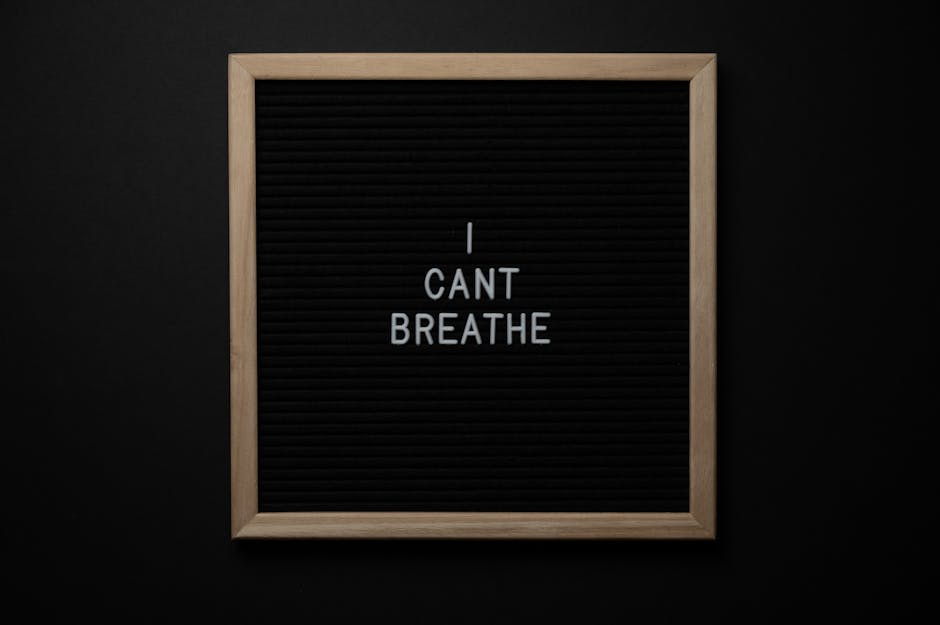
Photo by Brett Sayles on Pexels
Imagine a community. If, historically, this community was subjected to:
* Discrimination in housing: This led to segregated neighborhoods, often with fewer resources, poorer infrastructure (like clean water or safe parks), and less access to healthy food. This impacts current residents' physical activity, diet, and exposure to environmental toxins.
* Limited educational opportunities: This resulted in lower-paying jobs and less economic stability across generations. Lower income often means less access to quality healthcare, healthy food, and safe living conditions.
* Exclusion from wealth-building: Policies like redlining prevented certain groups from owning homes or businesses in desirable areas, hindering their ability to build generational wealth. Lack of wealth means less ability to cope with health crises, pay for medical care, or live in healthier environments.
* Exploitative labor practices: Forcing groups into dangerous, low-wage work meant higher exposure to occupational hazards and less ability to advocate for better conditions, leading to chronic illnesses.
* Medical experimentation or neglect: Past unethical medical practices or outright denial of care fostered deep mistrust in the healthcare system, leading to lower rates of seeking preventive care today.
These historical factors didn't just disappear; they created enduring social, economic, and environmental conditions that continue to affect health outcomes. This is often called "structural injustice" because it's built into how our society is organized.
graph LR
    A["Historical Injustice (e.g., Redlining, Slavery, Colonialism)"] --> B["Systemic Disadvantage & Resource Deprivation"];
    B --> C["Poor Social Determinants of Health (e.g., Low Income, Poor Housing, Limited Education, Unsafe Environment)"];
    C --> D["Chronic Stress & Discrimination"];
    D --> E["Higher Rates of Chronic Disease (e.g., Diabetes, Heart Disease)"];
    D --> F["Mental Health Issues"];
    C --> G["Limited Access to Quality Healthcare"];
    E --> H["Shorter Lifespans & Worse Health Outcomes"];
    F --> H;
    G --> H;
    H --> I["Contemporary Health Inequities"];
The Role of Stress and Discrimination

Photo by Yan Krukau on Pexels
Living under continuous stress from poverty, discrimination, or unsafe environments isn't just unpleasant; it has biological impacts. Chronic stress can alter your body's systems, making you more susceptible to illnesses like heart disease, diabetes, and mental health conditions. The constant vigilance and daily microaggressions experienced by marginalized groups add a significant health burden.
Intergenerational Impact

Photo by Vitaly Gariev on Pexels
The effects aren't just limited to those who directly experienced the injustice. Disadvantages are passed down through generations. For example, a family denied wealth-building opportunities decades ago might still struggle economically today, impacting their children's access to education, healthy food, and safe neighborhoods, which in turn affects their health.
3. Worked Example
Consider the impact of "redlining" in the United States. From the 1930s to the 1960s, government policies and private banks color-coded neighborhoods based on perceived investment risk. "Redlined" areas, often predominantly Black communities, were deemed high-risk and denied mortgages and other financial services.
- Historical Injustice: Redlining denied Black families the ability to build wealth through homeownership, preventing investment in their neighborhoods.
- Immediate Impact: Properties in redlined areas depreciated, services declined, and quality education became scarce.
- Contemporary Health Inequity: Decades later, these same "redlined" areas often have:
- Higher rates of chronic diseases: Residents experience higher rates of asthma (due to poorer air quality from nearby industrial zones, older housing stock), diabetes (due to lack of fresh food options – "food deserts"), and cardiovascular disease.
- Lower life expectancy: Studies show a direct correlation between historically redlined areas and shorter life expectancies today.
- Fewer healthcare facilities: Lack of investment means fewer doctors, clinics, and pharmacies.
- Increased environmental hazards: These neighborhoods often host polluting industries.
So, a policy from the 1930s directly shaped the physical environment and economic stability of communities, leading to measurable health disparities today.
4. Key Takeaways
- Historical injustices created systemic disadvantages that continue to affect health outcomes.
- These disadvantages impact current social determinants of health like income, housing, and access to food.
- Chronic stress and discrimination, rooted in historical patterns, have direct biological effects on health.
- The health impacts of historical injustices are often intergenerational, affecting families for decades.
- Policies like redlining illustrate how specific historical actions directly caused present-day health inequities.
- Understanding this historical link is vital for developing effective public health interventions.
Common Mistakes to Avoid:
- Don't treat health inequities as solely individual choices or lifestyle issues; recognize the deep structural roots.
- Avoid viewing historical events as completely separate from current realities; they're intrinsically linked.
- Don't overlook the psychological and biological impacts of chronic discrimination and stress.
- Don't assume that simply providing more healthcare access will solve inequities without addressing underlying social conditions.
5. Now Try It
Think about a historical policy or event in your region or country that you know about. Spend 15 minutes brainstorming how that specific injustice might have created lasting disadvantages. Then, list at least three specific contemporary health inequities that could be a direct result of those disadvantages.
What success looks like: You'll have identified a clear historical injustice, linked it to ongoing social or economic disadvantages, and then connected those disadvantages to specific, observable health differences in today's population.
Frequently asked about Historical Injustices and Contemporary Health Inequities
More from Health and society
Get the full Health and society curriculum
Clone the complete plan to your dashboard for unlimited AI-generated notes, practice quizzes, and a personalised revision schedule.
Create Free Account