Social Epidemiology and Disease Patterns
From the Health and society curriculum
Social Epidemiology and Disease Patterns
TL;DR
Social epidemiology studies how social factors influence health and disease patterns within populations. It goes beyond individual-level risk factors to understand the broader societal determinants of health. By examining social inequalities, we can uncover why certain groups experience higher rates of specific illnesses.
1. The Mental Model
Think of disease not just as a biological problem, but as a puzzle with social pieces. Your social standing, where you live, and who you interact with all play a role in your health. It's about looking at the big picture of society to understand individual well-being.
2. The Core Material
What is Social Epidemiology?
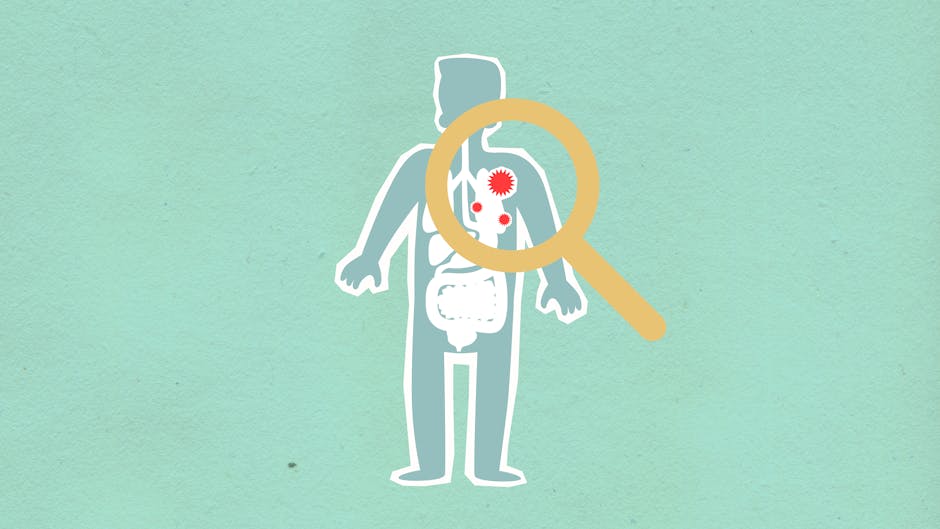
Photo by Monstera Production on Pexels
Social epidemiology is a branch of epidemiology that focuses on how social conditions influence health and illness. Instead of just studying bacteria or viruses, it investigates things like socioeconomic status, race/ethnicity, gender, social networks, and neighborhood environments. It aims to identify social causes of health and disease, and how these causes are distributed across populations.
Key Concepts

Photo by Aphiwat chuangchoem on Pexels
- Social Determinants of Health (SDOH): These are the non-medical factors that influence health outcomes. They are the conditions in which people are born, grow, live, work, and age. Examples include income, education, housing, access to healthy food, and safe environments.
- Health Inequalities/Disparities: These are preventable differences in health outcomes experienced by different social groups. For instance, why do people in lower-income neighborhoods often have higher rates of diabetes than those in wealthier areas?
- Pathways: Social epidemiology often looks at the pathways through which social factors affect health. This isn't just a direct link; it's often a complex chain of events. For example, low income can lead to poor housing, which leads to exposure to lead, which leads to developmental problems in children.
How Social Factors Influence Health

Photo by Leon Kohle on Pexels
Social factors impact health through several mechanisms:
- Material Circumstances: Access to resources like nutritious food, safe housing, quality healthcare, and education.
- Psychosocial Factors: Stress from poverty, discrimination, or social isolation can impact mental and physical health through biological pathways (e.g., chronic stress affecting the immune system).
- Behavioral Factors: Social norms and access to resources can influence health behaviors like smoking, diet, and physical activity.
- Environmental Factors: Living in neighborhoods with high pollution, limited green spaces, or unsafe conditions.
graph TD
    A["Socioeconomic Status (SES)"] --> B["Material Resources (e.g., Income, Housing)"]
    A --> C["Psychosocial Stress (e.g., Discrimination)"]
    A --> D["Access to Healthcare (e.g., Insurance)"]
    A --> E["Health Behaviors (e.g., Diet, Exercise)"]
    B --> F["Environmental Exposures (e.g., Pollution)"]
    C --> G["Physiological Responses (e.g., Chronic Stress)"]
    D --> H["Preventive Care & Treatment Quality"]
    E --> I["Lifestyle Choices & Risk Factors"]
    F --> J["Disease Onset & Progression"]
    G --> J
    H --> J
    I --> J
    J --> K["Health Outcomes (e.g., Life Expectancy, Chronic Disease Rates)"]
Measuring Social Influence

Photo by William Warby on Pexels
Social epidemiologists use various methods to measure these influences:
- Population-level data: Analyzing statistics on income, education, and health outcomes across different demographic groups.
- Longitudinal studies: Following groups of people over time to see how changes in their social circumstances affect their health.
- Qualitative research: Using interviews and focus groups to understand lived experiences and perceptions of health determinants.
3. Worked Example
Let's consider the differences in infant mortality rates (IMR) in a hypothetical city.
Imagine City A has two distinct areas: Richburg and Poortown.
- Richburg: Median household income of \$100,000, 95% high school graduation rate, universal health insurance, access to multiple grocery stores with fresh produce, and parks. IMR is 3 deaths per 1,000 live births.
- Poortown: Median household income of \$30,000, 60% high school graduation rate, 30% uninsured rate, only convenience stores with processed foods ("food desert"), and high crime rates. IMR is 12 deaths per 1,000 live births.
A social epidemiologist would look at this disparity (12 vs. 3) and not just ask about individual medical causes of infant death (like specific birth defects or infections). Instead, they'd ask:
- What are the social factors contributing to the higher IMR in Poortown?
- Low income: Leads to poor nutrition for pregnant mothers, inability to afford quality housing, or transportation to distant clinics.
- Lack of education: May correlate with lower health literacy, less awareness of prenatal care importance.
- Lack of insurance/access to care: Delayed or inadequate prenatal care, leading to higher risks during pregnancy and delivery.
- Food desert: Poor maternal nutrition due to lack of access to healthy food options.
- Unsafe environment: Chronic stress on pregnant mothers due to crime or inadequate housing, impacting fetal development.
This approach highlights that simply providing more pediatricians in Poortown might help, but it won't address the underlying social issues driving the high IMR. Solutions need to be broader, addressing income inequality, educational access, and food security.
4. Key Takeaways
- Social epidemiology looks at how societal conditions shape health outcomes, not just individual biology.
- Social Determinants of Health (SDOH) are crucial non-medical factors influencing well-being.
- Health inequalities show preventable differences in health between different social groups.
- Social factors impact health through material, psychosocial, behavioral, and environmental pathways.
- Understanding these pathways is essential for designing effective public health interventions.
- Data from various sources helps measure the impact of social influences on disease patterns.
Common Mistakes to Avoid:
- Don't assume all health problems are purely individual biological failures.
- Don't ignore the broader societal context when analyzing disease patterns.
- Avoid blaming individuals for health outcomes that are largely shaped by social factors.
- Don't think that simply providing medical treatment is enough to solve health disparities.
5. Now Try It
Choose a chronic disease common in your country (e.g., Type 2 Diabetes, Asthma, Heart Disease). Spend 15 minutes researching how socioeconomic status (income, education, occupation) specifically influences its prevalence and severity. Think about 2-3 specific pathways (e.g., access to healthy food, stress, environmental exposures) through which SES might exert its influence.
What success looks like: You should be able to articulate how lower SES might lead to higher rates or worse outcomes for your chosen disease, identifying concrete social factors and potential mediating pathways.
Frequently asked about Social Epidemiology and Disease Patterns
More from Health and society
Get the full Health and society curriculum
Clone the complete plan to your dashboard for unlimited AI-generated notes, practice quizzes, and a personalised revision schedule.
Create Free Account