Substance Abuse and Health
From the Biology curriculum
Substance Abuse and Health
TL;DR
Substance abuse is the harmful use of psychoactive substances like drugs and alcohol, leading to significant health and social problems. These substances alter brain function, affecting judgment and physical health across many body systems. Understanding addiction's biological and psychological roots is crucial for prevention and effective treatment.
1. The Mental Model
Think of substance abuse as a hijacked control center: a substance takes over your brain's reward system, pushing aside normal priorities. It changes how your body works and thinks, creating a powerful drive to keep using, even when it causes harm. This isn't just about willpower; it's a complex brain disease.
2. The Core Material
Substance abuse involves the harmful use of psychoactive substances. These are chemicals that affect your brain's function, leading to changes in mood, perception, thinking, and behavior. While many substances can be abused, common categories include alcohol, tobacco, illicit drugs (like opioids, stimulants, cannabis), and misused prescription medications.
What is Addiction?

Photo by Tima Miroshnichenko on Pexels
Addiction, or Substance Use Disorder (SUD), isn't just a bad habit; it's a chronic, relapsing brain disease. It's characterized by compulsive drug seeking and use despite harmful consequences. Your brain actually changes over time with repeated exposure to these substances, especially in areas responsible for:
- Reward and Motivation: Substances flood the brain with dopamine, creating an intense "high" and reinforcing the drug-seeking behavior. Your brain starts to associate the substance with pleasure, making you crave it.
- Memory: Memories of the drug's effects and the environment where it was used become deeply ingrained, triggering cravings.
- Decision-making and Self-control: The prefrontal cortex, which handles judgment and impulse control, becomes impaired, making it harder to resist urges.
Health Impacts of Common Substances

Photo by Alexas Fotos on Pexels
Different substances impact your body in specific ways, but there's often overlap in damaging various organ systems.
- Alcohol:
- Short-term: Impaired judgment, coordination, slurred speech, blackouts.
- Long-term: Liver disease (cirrhosis), pancreatitis, heart damage, brain damage (cognitive impairment), increased risk of various cancers, weakened immune system.
- Tobacco (Nicotine):
- Short-term: Increased heart rate and blood pressure.
- Long-term: Lung cancer, heart disease (heart attacks, strokes), emphysema, chronic bronchitis, various other cancers (mouth, throat, bladder).
- Opioids (e.g., heroin, fentanyl, oxycodone):
- Short-term: Pain relief, euphoria, drowsiness, slowed breathing (can lead to overdose and death).
- Long-term: Addiction, constipation, increased risk of infectious diseases (e.g., HIV, hepatitis from injection), hormonal imbalances.
- Stimulants (e.g., cocaine, methamphetamine, Adderall misuse):
- Short-term: Increased energy, alertness, paranoia, elevated heart rate and blood pressure, anxiety.
- Long-term: Addiction, severe dental problems (meth), anxiety, paranoia, psychosis, heart problems, stroke.
- Cannabis (Marijuana):
- Short-term: Altered perception, impaired memory and coordination, increased heart rate, anxiety, paranoia.
- Long-term: Addiction (especially with frequent use starting young), respiratory problems (if smoked), potential link to mental health issues like psychosis in vulnerable individuals.
Factors Contributing to Substance Abuse

Photo by MART PRODUCTION on Pexels
It's not just about the substance; several factors increase your risk:
- Genetics: Family history of addiction can increase your susceptibility.
- Environment: Peer pressure, stress, early exposure, lack of parental supervision, poverty, and cultural norms play a role.
- Mental Health Conditions: Depression, anxiety, PTSD, and other mental illnesses often co-occur with substance abuse, as individuals may try to self-medicate.
- Early Use: The earlier you start using substances, the higher the risk of developing addiction because your brain is still developing.
graph TD
    A["Initial Substance Use (Voluntary or Accidental)"] --> B["Brain's Reward System Activated (Dopamine Release)"]
    B --> C["Pleasure/Euphoria & Reinforcement"]
    C --> D{"Continued Use?"}
    D -- "Yes, Repeated Exposure" --> E["Brain Adapts: Tolerance & Dependence Develops"]
    E --> F["Compulsive Seeking & Use (Addiction)"]
    F --> G["Negative Consequences (Health, Social, Financial)"]
    G --> H{"Seek Help/Treatment?"}
    H -- "Yes" --> I["Recovery Process (Relapse Possible)"]
    H -- "No" --> G
    D -- "No, Discontinued Early" --> J["Return to Pre-use State (Possible Craving)"]
Treatment and Prevention
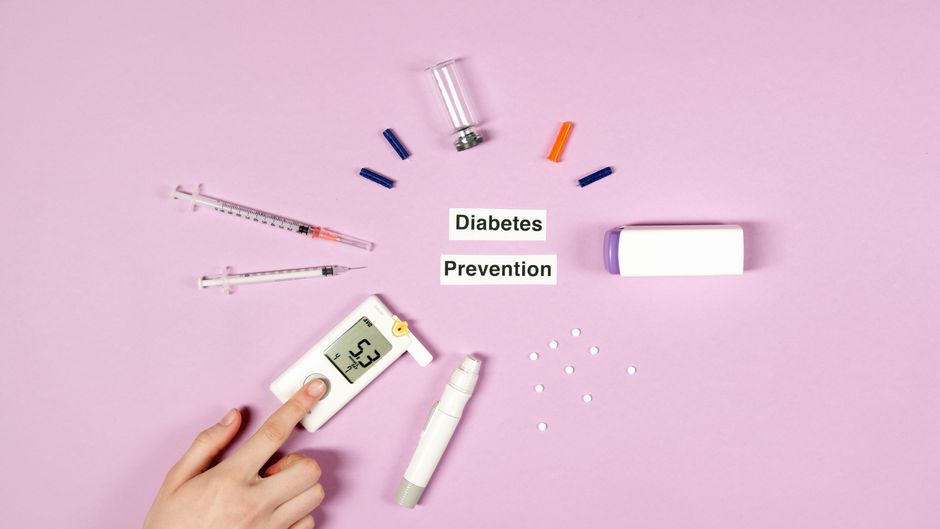
Photo by Artem Podrez on Pexels
Treatment for SUD often involves a combination of therapies:
- Behavioral Therapies: Counseling, cognitive-behavioral therapy (CBT), motivational interviewing.
- Medications: Opioid addiction (e.g., methadone, buprenorphine), alcohol addiction (e.g., naltrexone, disulfiram), and tobacco addiction (e.g., nicotine replacement, bupropion) have specific medications that can help manage cravings and withdrawal.
- Support Groups: 12-step programs (e.g., AA, NA) provide community and peer support.
Prevention focuses on education, reducing risk factors, and promoting protective factors like strong family bonds, school success, and healthy coping mechanisms.
3. Worked Example
Let's consider someone named Alex who started smoking cigarettes in high school due to peer pressure and stress. Initially, the nicotine provided a temporary sense of calm. The brain quickly adapted to the presence of nicotine. Over time, Alex developed a tolerance, needing more cigarettes to achieve the same effect. When Alex tried to quit, they experienced withdrawal symptoms like irritability, anxiety, and strong cravings, which made quitting incredibly difficult.
Years later, Alex is diagnosed with chronic bronchitis and is at a much higher risk for lung cancer and heart disease. Their nicotine addiction has caused significant health problems. The initial "stress relief" became a destructive cycle, illustrating how the brain's adaptation to a substance like nicotine can lead to severe long-term health consequences despite knowing the risks. This isn't a failure of willpower; it's a physiological dependence driven by brain changes.
4. Key Takeaways
- Substance abuse is the harmful use of psychoactive substances that alter brain function.
- Addiction is a chronic brain disease characterized by compulsive drug-seeking despite negative consequences.
- Substances like alcohol, tobacco, and illicit drugs damage multiple body systems over time, leading to serious health issues.
- Genetic predisposition, environmental factors, mental health conditions, and early exposure all contribute to the risk of addiction.
- Your brain's reward, memory, and decision-making centers are significantly affected by prolonged substance use.
- Effective treatment involves a combination of behavioral therapies, medication, and support.
Common Mistakes to Avoid:
* Assuming addiction is purely a moral failing or lack of willpower.
* Believing that occasional use can't lead to addiction or harm.
* Underestimating the long-term health consequences of even "social" substance use.
* Ignoring co-occurring mental health conditions when addressing substance abuse.
5. Now Try It
Think about a specific substance (e.g., alcohol, opioids, or cannabis) and identify two specific short-term effects and two specific long-term health consequences it has on the human body. Then, explain in your own words how the brain's reward system plays a role in the development of addiction to that substance.
What success looks like: You've clearly listed distinct short-term and long-term effects for your chosen substance and can concisely describe the brain's dopamine-driven reward pathway in the context of addiction to it.
Frequently asked about Substance Abuse and Health
More from Biology
Get the full Biology curriculum
Clone the complete plan to your dashboard for unlimited AI-generated notes, practice quizzes, and a personalised revision schedule.
Create Free Account