Akhlak dan Adab Islamiah
From the Pendidikan islam curriculum
Akhlak dan Adab Islamiah
TL;DR
Akhlak refers to your character and morals, while adab means good manners and etiquette in Islam. Together, they shape your behavior to reflect piety and respect towards Allah, yourself, and others. Embracing these principles helps you live a balanced life that earns rewards both in this world and the hereafter.
1. The Mental Model
Think of Akhlak as your internal compass, guiding your fundamental moral choices and intentions. Adab is like the outward expression of that compass, dictating how you act and interact with the world around you. They're two sides of the same coin: good character naturally leads to good manners.
2. The Core Material
Akhlak and Adab are foundational concepts in Islam, guiding every aspect of a Muslim's life. They aren't just about being "nice"; they're deeply rooted in the Quran and Sunnah, reflecting devotion to Allah.
What is Akhlak?

Photo by Prajwal Bajracharya on Pexels
Akhlak (أخلاق) is the Arabic term for morals, ethics, and character. It encompasses your inner qualities, virtues, and the principles that govern your actions. Good akhlak (Akhlak Mahmudah) means having a character that is pleasing to Allah, such as honesty, patience, justice, and sincerity. Bad akhlak (Akhlak Mazmumah) includes negative traits like arrogance, jealousy, lying, and backbiting. Your akhlak determines your spiritual standing and the purity of your heart.
What is Adab?
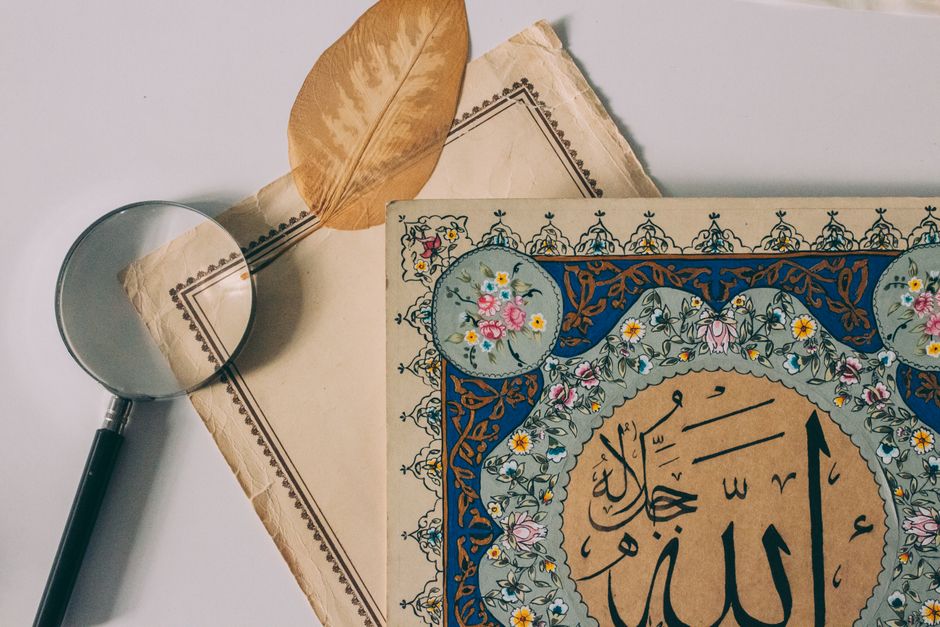
Photo by Sedanur Kunuk on Pexels
Adab (أدب) refers to manners, etiquette, and good behavior. It's the practical application of your akhlak in your daily interactions. Adab covers a wide range of situations, from how you speak and listen, to how you eat, dress, and interact with family, friends, and strangers. It’s about showing respect, consideration, and humility.
The Relationship Between Akhlak and Adab

Photo by Shangau Bisht on Pexels
Akhlak is the internal foundation, while Adab is the external manifestation. You can't truly have good adab without good akhlak, because sincere manners come from a pure heart. Conversely, practicing good adab can help cultivate good akhlak over time.
graph TD
    A["Iman (Faith in Allah)"] --> B["Akhlak (Inner Character & Morals)"]
    B --> C1["Akhlak Mahmudah (Good Character)"]
    B --> C2["Akhlak Mazmumah (Bad Character)"]
    C1 --> D["Adab (Good Manners & Etiquette)"]
    C2 --> E["Lack of Adab / Bad Manners"]
    D --> F["Positive Interactions & Rewards"]
    E --> G["Negative Interactions & Consequences"]
    F --> A;
Key Areas of Akhlak and Adab

Photo by Jan van der Wolf on Pexels
-
Akhlak & Adab Towards Allah:
- Akhlak: Sincerity in worship (ikhlas), gratitude (syukur), patience (sabr), reliance on Allah (tawakkul), fear of Allah (taqwa).
- Adab: Proper conduct in prayer, reciting Quran with reverence, making dua with humility, remembering Allah often (zikr).
-
Akhlak & Adab Towards Yourself:
- Akhlak: Self-respect, honesty with oneself, modesty, striving for self-improvement.
- Adab: Maintaining personal hygiene, dressing modestly, eating healthy, managing time effectively, seeking knowledge.
-
Akhlak & Adab Towards Others:
- Akhlak: Kindness, generosity, forgiveness, justice, truthfulness, humility, trustworthiness.
- Adab: Greeting with "Assalamu Alaikum", listening attentively, speaking gently, visiting the sick, respecting elders, caring for children, being a good neighbor.
-
Akhlak & Adab Towards the Environment:
- Akhlak: Responsibility, stewardship (khalifah), care for creation.
- Adab: Not wasting resources, keeping surroundings clean, protecting animals and plants.
Developing strong akhlak and adab isn't just about following rules; it's about embodying the prophetic character of Prophet Muhammad (peace be upon him), who was described as having "the most excellent character" (Quran 68:4).
3. Worked Example
Imagine you're at school, and you accidentally spill water on your classmate's book.
Without Akhlak & Adab: You might panic, quickly walk away hoping no one saw, or even blame the classmate for leaving their book open. This shows a lack of responsibility (bad akhlak) and disrespect (lack of adab).
With Akhlak & Adab:
1. Akhlak (Responsibility & Sincerity): You immediately recognize your mistake and feel genuinely sorry. You understand that you're accountable for your actions.
2. Adab (Apology & Remediation): You turn to your classmate, make eye contact, and sincerely say, "I'm so sorry! I accidentally spilled water on your book."
3. Adab (Action & Consideration): You then immediately offer to help. "Can I try to dry it? Or perhaps I can buy you a new one if it's ruined?" You might even get a tissue or cloth to clean up the spill.
This example shows how internal character (feeling responsible) drives external behavior (apologizing and offering help), creating a positive outcome even from an accidental mistake.
4. Key Takeaways
- Akhlak is your internal character and moral compass, guiding your core values.
- Adab is the outward expression of your akhlak, seen in your daily manners and etiquette.
- Both Akhlak and Adab are deeply rooted in Islamic teachings from the Quran and Sunnah.
- Good Akhlak (Akhlak Mahmudah) involves positive traits like honesty and patience; bad Akhlak (Akhlak Mazmumah) includes traits like arrogance.
- Practicing Adab helps you build and strengthen your Akhlak.
- A Muslim strives to embody the excellent character and manners of Prophet Muhammad (PBUH).
Common Mistakes to Avoid:
- Thinking that good manners are just for show, without a sincere internal intention.
- Believing that only big actions count, neglecting small daily acts of kindness and politeness.
- Ignoring the importance of Adab towards parents, elders, and neighbors.
- Separating your religious practice (e.g., prayer) from your daily interactions; Islam expects holistic behavior.
5. Now Try It
For the next 15 minutes, focus on applying the concepts of Akhlak and Adab in one specific interaction. Choose a situation: maybe a conversation with a family member, responding to an email, or observing people around you.
What to do:
1. Identify: Pick one specific interaction you'll have soon or recall a recent one.
2. Reflect (Akhlak): Before or during the interaction, consider what good akhlak (e.g., honesty, patience, kindness) would require of you.
3. Act (Adab): Consciously apply specific adab relevant to that situation (e.g., listening attentively, speaking softly, offering a genuine compliment, being helpful).
4. Self-Assess: After the interaction, think about how well you applied both the internal akhlak and the external adab. What went well? What could be improved next time?
What success looks like: You should feel a sense of inner peace and satisfaction from consciously striving to act in a way pleasing to Allah, and you might notice a more positive response from the person you interacted with.
Frequently asked about Akhlak dan Adab Islamiah
More from Pendidikan islam
Get the full Pendidikan islam curriculum
Clone the complete plan to your dashboard for unlimited AI-generated notes, practice quizzes, and a personalised revision schedule.
Create Free Account