Curriculum Development and Innovation in Developing Contexts
From the i need notes for unit 1 to unit 4 for ened6122 curriculum
Curriculum Development and Innovation in Developing Contexts
TL;DR
Developing curricula in emerging contexts isn't just about what to teach, but also how it's designed, delivered, and improved to meet unique local needs and challenges. You'll explore various models, innovation strategies, and the critical role of stakeholders in making education relevant and effective. This course helps you understand and apply frameworks for creating impactful learning experiences in diverse settings.
1. The Mental Model
Think of curriculum development in developing contexts like building a house in a unique environment. You can't just use a standard blueprint; you need to consider the local materials available, the climate, the community's needs, and the skills of the builders. It's about adapting and innovating to create something truly functional and sustainable for its specific setting.
2. The Core Material
Curriculum development in developing contexts is a dynamic process shaped by unique socio-economic, cultural, and political factors. It's not about importing models wholesale, but adapting and innovating to address local realities. You'll dive into various approaches and understand why flexibility is key.
Understanding Curriculum Models
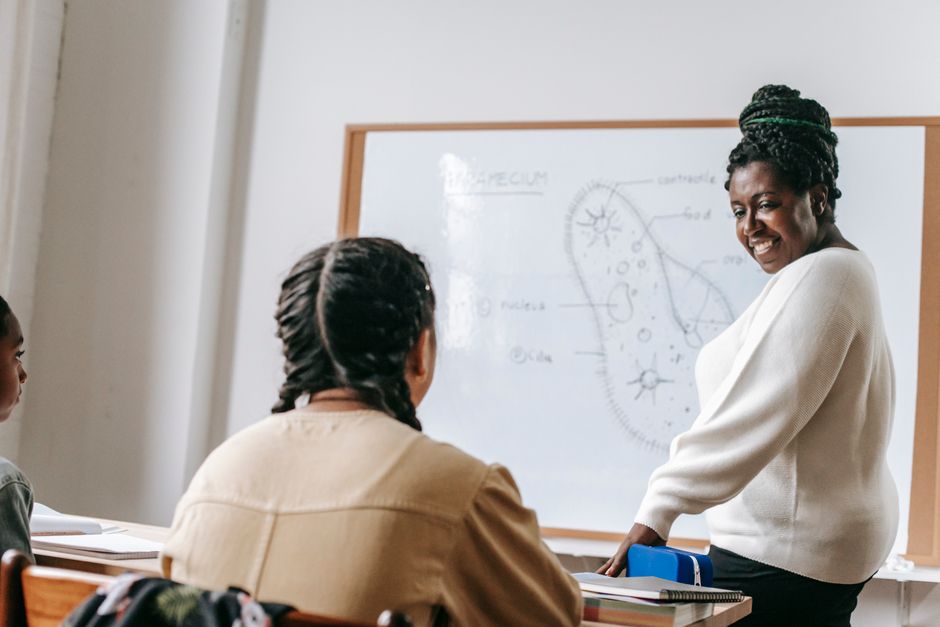
Photo by Katerina Holmes on Pexels
There are several frameworks for thinking about curriculum. They aren't rigid rules but offer different lenses through which to design and evaluate.
- Product Model: Focuses on clear, measurable objectives and outcomes. Think of it like an assembly line where the goal is a specific, standardized "product" (e.g., students achieving certain test scores). It's often top-down and emphasizes efficiency.
- Process Model: Emphasizes the learning experience itself, student interaction, and teacher-learner relationships. It's more flexible and less focused on rigid endpoints, prioritizing how knowledge is constructed.
- Cyclical Model: Views curriculum development as an ongoing loop of planning, implementation, evaluation, and revision. This is particularly useful in developing contexts where conditions can change rapidly, allowing for continuous improvement.
- Situational Model (Nicholls & Nicholls): This model is highly relevant here. It starts by analyzing the current situation (societal needs, student characteristics, resource availability) before moving to objective setting, content selection, and evaluation. It's inherently context-sensitive.
Drivers of Innovation in Developing Contexts

Photo by cottonbro studio on Pexels
Innovation isn't just about technology; it's about finding better ways to achieve educational goals. In developing contexts, innovation is often driven by:
- Resource Scarcity: Limited budgets, lack of materials, or insufficient trained teachers often force creative solutions (e.g., multi-grade teaching, locally sourced materials).
- Access and Equity: Reaching marginalized populations (remote areas, girls, children with disabilities) requires innovative delivery methods (e.g., mobile learning, community-based schools).
- Relevance: Curricula must be relevant to local livelihoods, cultural values, and national development goals to be effective. This often means integrating indigenous knowledge or vocational skills.
- Globalisation and Technology: While challenging, these also offer opportunities for innovation through digital learning, open educational resources (OERs), and international collaborations.
Stakeholder Engagement

Photo by Rebrand Cities on Pexels
Effective curriculum development isn't a solo act. Engaging various stakeholders is crucial for relevance, ownership, and sustainability.
- Policy Makers: Set national visions and provide legal frameworks and funding.
- Educators (Teachers & School Leaders): Are on the front lines; their input on feasibility, student needs, and practical implementation is invaluable. They also need professional development to deliver new curricula.
- Learners: Their experiences, needs, and feedback are central to creating a relevant and engaging curriculum.
- Parents & Communities: They provide cultural context, reinforce learning, and can offer resources or support. Community ownership can make or break a curriculum's success.
- Employers & Industry: Especially for vocational curricula, their input ensures graduates have relevant skills for the job market.
- NGOs & International Organizations: Often provide funding, technical expertise, and models for innovation.
graph TD
    A["Analyze Context: Needs, Resources, Culture"] --> B["Formulate Objectives: What should learners achieve?"]
    B --> C["Select Content & Learning Experiences: What to teach, how to teach it?"]
    C --> D["Organize Content: Sequencing, structure"]
    D --> E["Implement Curriculum: Put it into practice"]
    E --> F["Evaluate & Revise: How well did it work? What needs changing?"]
    F --> A
Figure 1: Cyclical and Situational Curriculum Development Flow
Challenges in Developing Contexts
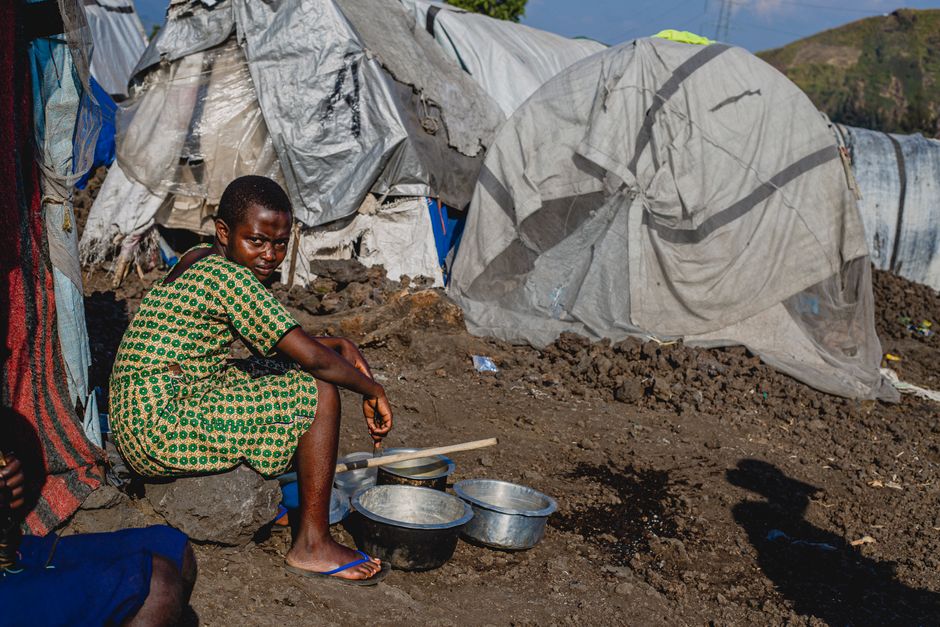
Photo by Safari Consoler on Pexels
You'll often face hurdles like:
- Teacher Capacity: Lack of adequately trained teachers, especially in new methodologies.
- Inadequate Resources: Shortage of textbooks, technology, infrastructure, and learning materials.
- Political Instability & Policy Shifts: Frequent changes in government or policy can disrupt long-term curriculum reforms.
- Cultural and Linguistic Diversity: Crafting a curriculum that caters to multiple languages and diverse cultural backgrounds is complex.
- Assessment Challenges: Developing appropriate, fair, and reliable assessment methods that reflect learning outcomes, not just rote memorization.
3. Worked Example
Imagine you're tasked with developing a new science curriculum for primary schools in a rural region of a developing country where electricity and internet access are unreliable, and teachers have limited science backgrounds.
Current Situation Analysis (Situational Model Start):
- Societal Needs: Community relies on agriculture; understanding basic ecology, water conservation, and sustainable farming is critical. Local health issues include preventable diseases.
- Learners: Many come from farming families; learn best through practical, hands-on activities. Limited exposure to abstract scientific concepts.
- Teachers: Primary teachers often generalists, not science specialists. Need simple, well-structured guides and local resources.
- Resources: No labs, few textbooks. Abundant natural materials (plants, soil, water sources). Community elders have traditional knowledge.
- Policy: National curriculum framework exists, but allows for local adaptation.
Curriculum Development Process:
- Objective Setting: Instead of abstract physics, focus on practical objectives like: "Students will be able to identify local plants and their uses," "Students will explain the water cycle using local examples," "Students will demonstrate basic hygiene practices."
- Content Selection: Prioritize locally relevant topics: plant growth, soil types, water sources, animal life, local health and hygiene. Integrate indigenous knowledge about local flora/fauna.
- Learning Experiences:
- Activity-based: Emphasize outdoor learning, observation, simple experiments using local materials (e.g., growing beans in different soil types, building a simple water filter).
- Community Involvement: Invite local farmers or traditional healers to share knowledge. Organize field trips to local farms or water sources.
- Storytelling/Role-play: Use local stories to explain scientific concepts.
- Resource Development:
- Teacher Guides: Simple, clear guides with step-by-step activity instructions, safety notes, and assessment suggestions. Include pictures and diagrams.
- Local Materials List: Encourage teachers to use readily available items (leaves, stones, seeds, recycled bottles).
- Picture Books/Charts: Create visual aids depicting local plants, animals, and health practices.
- Teacher Professional Development: Provide hands-on training for teachers on how to conduct the activities, manage outdoor learning, and adapt lessons to their specific context. Emphasize inquiry-based learning.
- Assessment: Focus on practical demonstrations, observations of student participation, and simple drawing/labeling tasks rather than complex written exams. Can students identify a pest, explain its life cycle, or demonstrate handwashing?
- Evaluation & Revision: Pilot the curriculum in a few schools. Gather feedback from teachers, students, and community members. What worked? What was confusing? Are objectives being met? Revise based on this feedback.
4. Key Takeaways
- Curriculum development in developing contexts must be context-specific, not a one-size-fits-all approach.
- Innovation isn't just technology; it's finding creative, resource-appropriate solutions to achieve learning goals.
- Stakeholder engagement is crucial for relevance, ownership, and successful implementation of any new curriculum.
- Cyclical models (plan, implement, evaluate, revise) are highly effective because they allow for continuous adaptation to changing conditions.
- Curriculum should aim for relevance to learners' lives, cultural backgrounds, and future economic opportunities.
Common Mistakes to Avoid:
- Copying curricula from developed countries without local adaptation.
- Ignoring local resources and relying solely on imported or expensive materials.
- Excluding key stakeholders (especially teachers and communities) from the design process.
- Overloading the curriculum with too many abstract concepts that aren't relevant or feasible to teach.
- Failing to provide adequate teacher training and ongoing support for new curriculum implementation.
5. Now Try It
For the next 15 minutes, imagine you are developing a vocational skills curriculum (e.g., carpentry, tailoring, basic IT) for out-of-school youth in an urban slum area. Draft three specific learning objectives that are highly relevant to local job opportunities and two innovative teaching strategies that could overcome common resource limitations in that setting. What would "success" look like for a student completing this curriculum?
Frequently asked about Curriculum Development and Innovation in Developing Contexts
More from i need notes for unit 1 to unit 4 for ened6122
Get the full i need notes for unit 1 to unit 4 for ened6122 curriculum
Clone the complete plan to your dashboard for unlimited AI-generated notes, practice quizzes, and a personalised revision schedule.
Create Free Account